Tag: healthcare

  • Understanding Hammer Toes: Causes, Symptoms, and Treatment Options

    Understanding Hammer Toes: Causes, Symptoms, and Treatment Options

    understanding hammer toes

    Understanding Hammer Toes: Causes, Symptoms, and Treatment Options

    Hammer toes are a common toe deformity that can cause pain, discomfort, and mobility issues. The condition occurs when one or more toes become permanently bent at the middle joint, creating a hammer-like appearance. Hammer toes can affect adults of all ages, particularly those who wear tight or high-heeled shoes, have underlying foot conditions, or experience muscle imbalances.

    At Nationwide Foot & Ankle Care, P.C., our expert podiatrists in Livonia and Royal Oak, MI specialize in diagnosing and treating hammer toes. We provide comprehensive care, from early conservative management to advanced surgical interventions, helping patients relieve pain, restore mobility, and prevent long-term complications.

    Hammer Toe Treatments

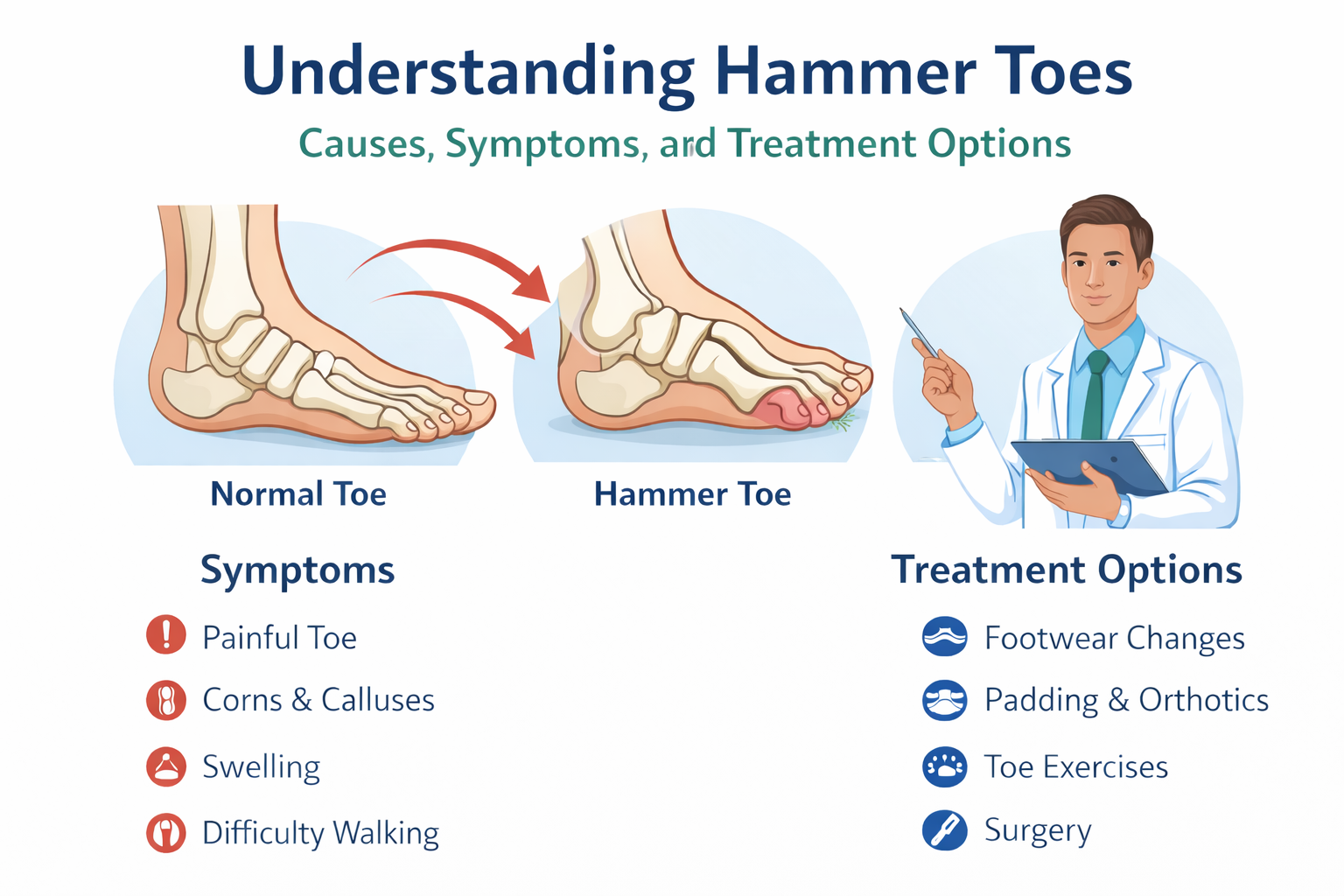
    A normal toe relies on bones, joints, tendons, and muscles to provide flexibility and support for walking, balance, and weight distribution. Each toe has multiple joints that allow movement, while the surrounding muscles and tendons help lift, straighten, and stabilize the toes during daily activities.

    In hammer toes, an imbalance in these muscles and tendons causes the middle joint to bend downward. This abnormal bending disrupts normal biomechanics, creating pressure on the joint and rubbing against footwear. Over time, this can lead to pain, corns, calluses, and limited toe mobility. Understanding the anatomy of the toe helps patients see why early intervention is so important for both comfort and long-term foot health.


    Hammer toes can affect anyone, but certain groups are at higher risk. Identifying risk factors allows patients to take preventive measures:

    • Age & Gender: Older adults are more commonly affected, and women are at higher risk due to footwear choices such as high heels.
    • Footwear: Tight, narrow, or high-heeled shoes that force toes into a bent position.
    • Lifestyle & Activity Level: Athletes, dancers, or people who spend long periods standing or walking.
    • Medical Conditions: Arthritis, diabetes, neuromuscular disorders, or prior foot injuries.
    • Genetics: Family history of toe deformities or foot structure abnormalities such as high arches or flat feet.

    Recognizing these risk factors early can help patients make lifestyle or footwear adjustments that may prevent progression.

    Hammer toes progress gradually, and symptoms vary depending on severity. Understanding early signs allows for timely intervention:

    • Mild (Flexible): Slight bending at the middle joint, occasional discomfort in shoes, and the toe can still be manually straightened.
    • Moderate: Persistent bending, pain when walking or wearing shoes, and corns or calluses forming on the top or tip of the toe.
    • Severe (Rigid): Permanent bending, difficulty walking, visible deformity, and chronic pain. Conservative treatments may no longer be effective, and surgical correction is often needed.

    Patients should monitor any toe discomfort or deformity and seek evaluation promptly to avoid progression.

    If left untreated, hammer toes can lead to secondary problems that affect mobility and quality of life. Common complications include:

    • Corns and Calluses: Friction from footwear leads to painful thickened skin.
    • Ulcers or Skin Breakdown: Particularly concerning for diabetic patients or those with poor circulation.
    • Joint Stiffness: Loss of mobility in the affected toe joint.
    • Altered Gait: Changes in walking patterns can strain knees, hips, and back.
    • Persistent Pain: Difficulty walking, exercising, or wearing shoes comfortably.

    Early evaluation by a podiatrist can prevent these complications and preserve foot health.

    Hammer toes develop gradually, and symptoms can vary depending on severity. Recognizing these signs early can improve outcomes and treatment success.

    Patients may first notice mild discomfort when wearing shoes or a subtle change in toe alignment. As the condition progresses, additional symptoms can appear:

    • Visible Toe Deformity: The middle joint bends downward, giving the toe a hammer-like appearance.
    • Pain or Discomfort: Pain is often worse when wearing shoes, walking, or during physical activity.
    • Swelling and Redness: Inflammation may develop due to friction against footwear.
    • Corns or Calluses: Thickened skin forms on top or at the tip of the toe, causing irritation.
    • Difficulty Walking: Severe or rigid hammer toes can interfere with balance and mobility.

    If you notice any of these symptoms, consulting a podiatrist promptly is essential. Early evaluation increases the success of conservative treatment and may prevent surgery.


    A thorough evaluation is essential to develop a tailored treatment plan. At Nationwide Foot & Ankle Care, P.C., our podiatrists assess patients using multiple diagnostic methods:

    • Physical Examination: Evaluates toe alignment, flexibility, and pain points.
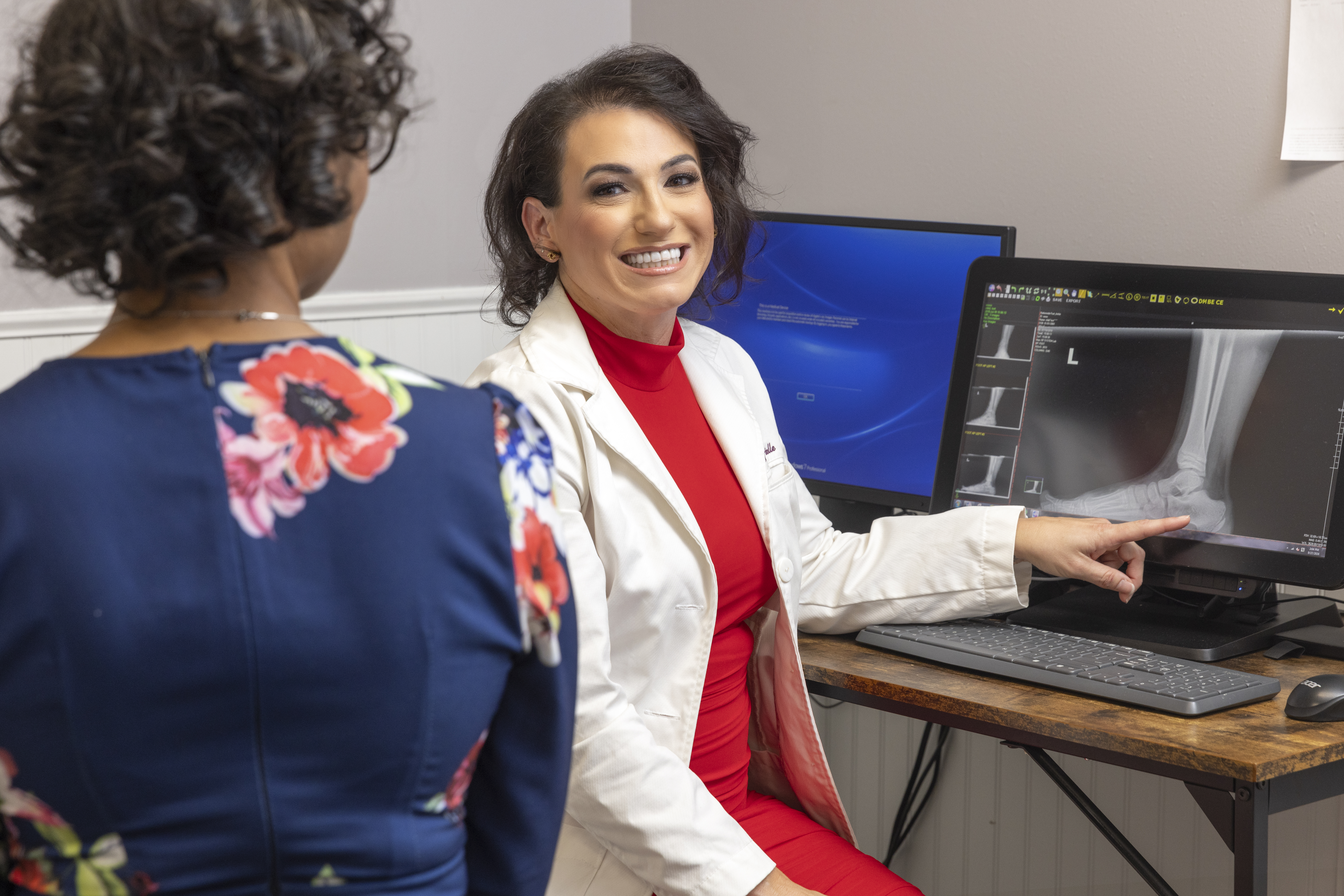
    • X-Rays: Identify joint changes, bone alignment, and severity of the deformity.
    • Gait Analysis: Measures how hammer toes affect walking patterns and balance.
    • Biomechanical Assessment: Determines underlying causes, such as tendon imbalances or structural abnormalities.

    After a comprehensive diagnosis, podiatrists create personalized treatment plans to address the patient’s unique needs.

    Hammer toes arise from a combination of factors:

    • Improper Footwear: Shoes that are too tight, narrow, or high-heeled push toes into a bent position.
    • Muscle Imbalances: Weak or overactive tendons and muscles cause abnormal forces.
    • Injury or Trauma: Stubbed toes, fractures, or repeated injuries may trigger deformity.
    • Medical Conditions: Arthritis, diabetes, and neuromuscular disorders can weaken joint support.
    • Genetics: Certain foot structures and family history play a role.

    Understanding these causes helps patients take preventive measures and address modifiable risks.

    Treatment depends on severity, flexibility, and overall foot health. Proper treatment can relieve pain, restore function, and prevent recurrence.

    Non-Surgical Treatments

    For mild or flexible hammer toes, conservative care is often effective:

    • Footwear Adjustments: Wide toe boxes and low heels reduce pressure.
    • Padding and Orthotics: Cushions or custom orthotics relieve pain and improve alignment.
    • Exercises: Stretching and strengthening routines maintain flexibility and correct muscle imbalance.
    • Medications: OTC anti-inflammatory drugs reduce pain and swelling.

    These measures are most effective when combined with lifestyle adjustments and early intervention.

    Surgical Treatments

    Severe or rigid hammer toes may require surgery:

    • Tendon Release or Transfer: Adjust tendons to straighten the toe.
    • Joint Resection (Arthroplasty): Remove part of the joint to restore alignment.
    • Fusion Surgery (Arthrodesis): Permanently fuses the joint to relieve chronic pain.

    Post-operative care includes rehabilitation, protective footwear, and gradual return to normal activity.


    Even after treatment, prevention is key:

    • Wear shoes with ample toe room and low heels.
    • Avoid prolonged use of narrow or high-heeled shoes.
    • Perform regular toe exercises to strengthen and stretch muscles.
    • Seek podiatry evaluation at the first sign of discomfort.

    Following these preventive measures helps maintain proper toe alignment and avoid future deformities.


    Schedule Your Consultation


    Experiencing toe pain, visible deformity, or difficulty walking? Contact Nationwide Foot & Ankle Care, P.C. in Livonia or Royal Oak, MI for personalized hammer toe treatment. Relieve pain, restore mobility, and improve quality of life.

    ← Back

    Thank you for your response. ✨

    Visit us

    13407 Farmington Road Suite 102, Livonia, MI 48150

  • What is the Difference Between a Foot Specialist & a Podiatrist?

    x-ray photo of foot
    x-ray Podiatrist

    What is the Difference Between a Foot Specialist & a Podiatrist?

    When it comes to foot and ankle health, many people wonder about the difference between a foot specialist and a podiatrist. Understanding the distinctions between these roles can help you make informed decisions about your care. At Nationwide Foot & Ankle Care, P.C., we aim to clarify these differences and guide you to the best possible treatment for your specific needs.

    Foot Specialist vs. Podiatrist

    Defining a Foot Specialist

    A foot specialist is a general term that refers to any healthcare professional with expertise in diagnosing and treating conditions related to the feet and ankles. This broad category can include:

    1. Orthopedic Surgeons: These are medical doctors who specialize in the musculoskeletal system, including bones, joints, ligaments, and tendons. Orthopedic surgeons may focus on foot and ankle conditions, particularly those requiring surgical intervention.
    2. Physical Therapists: These professionals help patients recover from injuries and improve mobility through exercises and other therapeutic techniques. Some physical therapists specialize in foot and ankle rehabilitation.
    3. Podiatrists: While podiatrists are foot specialists, not all foot specialists are podiatrists. Podiatrists have specific training and focus solely on the feet and ankles.

    Understanding a Podiatrist

    A podiatrist is a medical professional with specialized education and training in the diagnosis, treatment, and prevention of foot and ankle disorders. Podiatrists hold a Doctor of Podiatric Medicine (DPM) degree and undergo rigorous training, including:

    • Undergraduate Education: A four-year pre-medical program.
    • Podiatric Medical School: Four years of specialized medical training focused on the feet and ankles.
    • Residency: A three-year surgical residency, providing extensive hands-on experience in treating foot and ankle conditions.

    Key Differences

    1. Scope of Practice: Podiatrists are trained specifically in foot and ankle care, while other foot specialists, like orthopedic surgeons, may treat a broader range of musculoskeletal issues.
    2. Training and Education: Podiatrists undergo focused education and training in podiatric medicine, whereas other foot specialists may have broader medical training with additional specialization in foot and ankle care.
    3. Treatment Approaches: Podiatrists offer comprehensive care for a wide range of foot and ankle issues, from common conditions like bunions and heel pain to complex surgical procedures. Orthopedic surgeons may handle more extensive reconstructive surgeries involving the foot and ankle bones.

    Choosing the Right Professional

    When deciding between a foot specialist and a podiatrist, consider the nature of your condition:

    • Routine Foot Care: For general foot health, diabetic foot care, and minor injuries, a podiatrist is often the best choice due to their specialized training.
    • Surgical Interventions: For complex fractures, joint replacement, or reconstructive surgery, an orthopedic surgeon specializing in foot and ankle conditions may be more appropriate.
    • Rehabilitation: If you require physical therapy following an injury or surgery, a physical therapist specializing in foot and ankle rehabilitation can provide valuable support.

    Why Choose Nationwide Foot & Ankle Care, P.C. as Your Podiatrist?

    At Nationwide Foot & Ankle Care, P.C., we are dedicated to providing expert podiatric care tailored to your needs. Our team of experienced podiatrists offers comprehensive treatment for a variety of foot and ankle conditions. With convenient locations in Livonia and Royal Oak, MI, we are here to help you achieve optimal foot health and mobility.

    Whether you are dealing with chronic foot pain, a sports injury, or diabetic foot complications, our podiatrists have the knowledge and tools to provide effective, personalized care. We understand that foot and ankle pain can significantly impact your quality of life, and we are committed to helping you return to an active, pain-free lifestyle.

    For more information or to schedule an appointment, contact Nationwide Foot & Ankle Care, P.C. today. Let our specialists guide you to better foot health and overall well-being.

    Contact us

    ← Back

    Thank you for your response. ✨

    Visit us

    13407 Farmington Road Suite 102, Livonia, MI 48150

  • Foot Care Tips for Seniors: Maintaining Mobility and Comfort as You Age

    Foot Care Tips for Seniors: Maintaining Mobility and Comfort as You Age

    Foot Care Tips For Seniors

    As we age, our feet go through natural changes that can affect mobility, balance, and overall health. Thinning skin, reduced fat padding, stiff joints, and decreased circulation are just a few of the age-related factors that make seniors more susceptible to foot pain, injuries, and chronic conditions. Maintaining foot care for seniors is essential to preserving comfort, preventing complications, and supporting an active lifestyle.

    At Nationwide Foot & Ankle Care, P.C., our experienced podiatrists in Livonia and Royal Oak, MI, focus on comprehensive care for older adults. We help seniors manage chronic foot conditions, prevent injuries, and maintain mobility so they can enjoy daily activities with confidence.

    Foot Care tips for seniors

    Feet carry the weight of our bodies and serve as the foundation for balance and movement. When foot health declines, it can lead to a cascade of issues, including chronic pain, limited mobility, and even falls. Seniors often face a higher risk of foot problems due to a combination of aging, long-term wear, and underlying medical conditions such as diabetes, arthritis, or peripheral vascular disease.

    Diabetes, in particular, can significantly affect foot health. Reduced circulation and nerve sensitivity (neuropathy) can make it difficult for seniors to notice injuries, leading to infections or slow-healing ulcers. Arthritis can cause joint stiffness and deformities, while conditions like plantar fasciitis or Achilles tendonitis can make walking painful. Even seemingly minor issues, like corns or toenail infections, can escalate without proper care.

    By prioritizing elderly foot care, seniors can maintain mobility, prevent injuries, and enjoy a better quality of life.


    Healthy feet are critical for maintaining mobility, independence, and confidence. Seniors who prioritize foot care can prevent pain, reduce the risk of falls, and continue to participate in social and physical activities. Addressing issues early through daily care, supportive footwear, and professional guidance ensures that seniors maintain their quality of life and reduce future healthcare complications.


    • Seniors experience a variety of foot problems as part of the natural aging process, as well as due to lifestyle, medical conditions, and footwear choices. Common conditions include:
    • Corns and Calluses: These thickened areas of skin develop from repeated friction or pressure, often caused by shoes that are too tight or uneven gait patterns. Untreated, corns and calluses can become painful and lead to ulcers.
    • Bunions: A misalignment of the big toe joint can cause swelling, pain, and difficulty walking. Bunions often worsen over time if not addressed with supportive footwear or orthotics.
    • Heel Pain & Plantar Fasciitis: Inflammation of the plantar fascia, a thick band of tissue along the bottom of the foot, can result in stabbing or aching heel pain, particularly after long periods of standing or in the morning.
    • Toenail Disorders: Seniors frequently experience fungal infections, ingrown nails, or thickened nails that can make walking uncomfortable and increase the risk of infection.
    • Diabetic Foot Complications: Poor circulation and neuropathy heighten the risk of foot ulcers, infections, and delayed healing. Regular podiatric care is essential for diabetic seniors.
    • Arthritis and Joint Stiffness: Osteoarthritis or rheumatoid arthritis can limit motion in the toes, midfoot, and ankles, affecting stability and gait.
    • Achilles Tendonitis: Overuse or improper footwear can inflame the Achilles tendon, leading to pain in the heel and back of the ankle.
    • Neuropathy and Loss of Sensation: Reduced nerve sensitivity can prevent seniors from noticing injuries, which increases the likelihood of serious complications.

    Maintaining healthy feet requires daily attention, proper hygiene, and proactive management of underlying conditions. A structured daily foot care routine can prevent minor problems from escalating into serious health issues.

    1. Daily Inspection

    Seniors should examine their feet every day for cuts, blisters, swelling, redness, or changes in nail color. People with diabetes or neuropathy should be especially vigilant, as injuries may go unnoticed and develop into serious complications if untreated.

    2. Hygiene and Moisturization

    Feet should be washed daily with mild soap and warm water, and thoroughly dried, particularly between the toes. Moisturizing helps prevent dry, cracked skin but should not be applied between toes to avoid fungal infections. For seniors prone to athlete’s foot, antifungal powders or creams can help prevent recurrence.

    3. Nail Care

    Toenails should be trimmed straight across and filed to smooth edges, avoiding rounding which can lead to ingrown nails. Seniors with thickened, brittle, or discolored nails may require professional care to prevent infections or discomfort.

    4. Footwear Selection

    Supportive, well-cushioned shoes with a wide toe box are crucial. Tight, pointed, or high-heeled shoes should be avoided. Proper footwear reduces pressure on sensitive areas, helps prevent corns and calluses, and accommodates deformities like bunions. Breathable, moisture-wicking socks further help maintain foot health. For seniors with structural imbalances or chronic pain, custom orthotics may be recommended to provide support and reduce strain.

    5. Exercise and Stretching

    Regular foot and ankle exercises improve circulation, flexibility, and strength, reducing stiffness and enhancing balance. Gentle exercises such as toe curls, ankle rotations, heel raises, and rolling the foot over a soft ball can help prevent injuries and maintain mobility. Even low-impact activities like walking or water aerobics support overall foot health.

    6. Manage Underlying Medical Conditions

    Chronic conditions such as diabetes, arthritis, and vascular disease significantly impact foot health. Diabetic seniors should monitor blood sugar levels and receive regular foot exams. Arthritis management may involve supportive footwear, orthotics, or gentle stretching. Circulation issues may require compression socks or leg elevation techniques, as recommended by a podiatrist.

    7. Regular Podiatry Visits

    Routine visits with a podiatrist are essential for early detection of issues, especially for seniors with chronic conditions. A podiatrist can evaluate gait, circulation, nerve function, and joint health, and provide treatments ranging from custom orthotics to physical therapy, wound care, or surgical interventions when necessary.


    Healthy feet are critical for maintaining mobility, independence, and confidence. Seniors who prioritize foot care can prevent pain, reduce the risk of falls, and continue to participate in social and physical activities. Addressing issues early through daily care, supportive footwear, and professional guidance ensures that seniors maintain their quality of life and reduce future healthcare complications.

    Senior foot care michigan

    At Nationwide Foot & Ankle Care, P.C., our expert podiatrists provide compassionate, comprehensive care for seniors in Livonia, Royal Oak, and the greater Metro Detroit area. We offer:

    • Thorough Evaluations: Assessing foot structure, circulation, and nerve function to identify problems early.
    • Personalized Treatment Plans: Individualized strategies to address pain, mobility issues, and chronic conditions.
    • Advanced Treatments: Including custom orthotics, physical therapy, wound care, and surgical interventions when needed.
    • Preventive Education: Teaching seniors and caregivers how to maintain foot health at home and prevent injuries.
    • Our goal is to help seniors stay active, comfortable, and independent through proactive foot care.

    If you or a loved one is experiencing foot pain, discomfort, or mobility challenges, contact Nationwide Foot & Ankle Care, P.C. in Livonia or Royal Oak, MI. Our experienced podiatrists provide comprehensive elderly foot care solutions tailored to your needs. Schedule a consultation today to maintain healthy, pain-free feet and improve your quality of life.

    Call us at (734) 261-3400

    Request an appointment online: Request Appointment


  • Preventing and Treating Achilles Tendonitis

    Preventing and Treating Achilles Tendonitis

    How to Prevent and Treat Achilles Tendonitis


    Achilles tendonitis is a common condition that affects athletes, fitness enthusiasts, and anyone who places repetitive stress on their Achilles tendon—the thick band of tissue connecting your calf muscles to your heel. This condition can cause pain, inflammation, and limited mobility, potentially affecting performance and daily activities.

    At Nationwide Foot & Ankle Care, P.C., our experienced podiatrists in Livonia and Royal Oak, MI, specialize in Achilles tendonitis treatment, providing personalized care for fast recovery and long-term tendon health.

    Achilles Tendonitis metro detroit

    Achilles tendonitis is the inflammation or irritation of the Achilles tendon, often resulting from overuse, repetitive activity, or sudden increases in physical intensity. It can be classified into two main types:

    • Acute Achilles Tendonitis: Sudden onset, often due to intense exercise or injury.
    • Chronic Achilles Tendonitis: Long-term degeneration of the tendon caused by repeated stress or aging.

    Without proper care, the tendon can weaken and may lead to tendon rupture, which requires surgical intervention.


    Certain individuals are more likely to experience Achilles tendonitis:

    • Athletes: Runners, basketball, soccer, and tennis players
    • Fitness Enthusiasts: Those increasing intensity too quickly
    • Older Adults: Tendons lose elasticity with age
    • People with Biomechanical Issues: Flat feet, high arches, or abnormal gait
    • Individuals with Obesity: Extra weight increases strain on the tendon

    • Pain or stiffness along the tendon, especially after rest or in the morning
    • Swelling, tenderness, or warmth around the tendon
    • Thickening or nodules along the tendon
    • Pain that worsens with activity
    • Limited ankle mobility or discomfort when walking or running
    1. Overuse or Sudden Activity Increases Rapidly increasing distance, intensity, or new workouts can overload the tendon.
    2. Tight or Weak Calf Muscles Reduced flexibility or muscle strength increases stress on the tendon.
    3. Improper Footwear Shoes without proper cushioning or arch support can aggravate the tendon.
    4. Biomechanical Abnormalities Flat feet, high arches, or abnormal gait can place uneven pressure on the tendon.
    5. Aging Tendons With age, tendons lose elasticity and are more prone to inflammation and injury.
    • Gradually increase workout intensity
    • Stretch and warm up properly before exercise
    • Strengthen calves and foot muscles
    • Wear supportive, activity-appropriate footwear
    • Monitor activity load and rest adequately

    Treatment is tailored based on severity, activity level, and underlying causes.

    1. Conservative Treatments

    • Rest and Activity Modification: Avoid activities that worsen symptoms.
    • Ice Therapy: Apply ice for 15–20 minutes to reduce inflammation.
    • Over-the-Counter Pain Relief: NSAIDs like ibuprofen help manage pain and swelling.

    2. Physical Therapy and Exercises

    Targeted Achilles tendon exercises can strengthen and stretch the tendon:

    • Eccentric Heel Drops: Gradual strengthening of the tendon
    • Calf Stretching: Improves flexibility and reduces tension
    • Balance and Proprioception Training: Enhances ankle stability and prevents re-injury

    3. Orthotics and Supportive Footwear

    • Custom Orthotics: Correct biomechanical issues and reduce strain
    • Heel Lifts: Temporarily relieve tension on the tendon

    4. Advanced Treatments

    • Platelet-Rich Plasma (PRP) Therapy: Uses patient’s own platelets to stimulate healing
    • Shockwave Therapy: Promotes tissue repair and reduces chronic inflammation
    • Night Splints: Prevent morning stiffness and pain

    5. Surgical Intervention

    Surgery is reserved for chronic or severe cases where conservative and advanced treatments fail:

    • Tendon Debridement: Removes damaged tissue
    • Tendon Repair or Reconstruction: Restores tendon function and integrity
    Achilles Tendonitis treatment michigan
    • Experienced Podiatrists: Our team of podiatrists is experienced in diagnosing and treating foot pain and injuries in athletes and active individuals.
    • Comprehensive Foot Care: We offer a full range of treatments, from conservative therapies like physical therapy and orthotics to advanced procedures.
    • Personalized Care: Every treatment plan is customized to your specific needs, ensuring the best possible outcome.
    • State-of-the-Art Technology: We use the latest diagnostic tools and treatments to provide the most effective care for foot pain relief.

    Don’t let Achilles tendon pain interfere with your life. Contact Nationwide Foot & Ankle Care, P.C. to schedule a consultation and receive expert Achilles tendonitis treatment in Livonia or Royal Oak, MI. Start your journey to pain relief and tendon recovery today.

    Call us at (734) 261-3400

    Request an appointment online: Request Appointment


  • Plantar Fasciitis: Effective Treatment

    Plantar Fasciitis: Effective Treatment

    Plantar Fasciitis: Causes, Symptoms, and Effective Treatment Options


    Heel pain is a common but often misunderstood foot condition that can significantly impact your daily life. One of the leading causes of heel pain is plantar fasciitis, a condition caused by inflammation of the plantar fascia, the thick connective tissue that runs along the bottom of the foot from the heel to the toes.

    At Nationwide Foot & Ankle Care, P.C., our podiatrists in Livonia and Royal Oak, MI specialize in diagnosing and treating plantar fasciitis, providing personalized solutions to alleviate pain, restore mobility, and prevent recurrence.

    Plantar fasciitis treatments metro detroit

    Plantar fasciitis occurs when the plantar fascia is overstressed or irritated, leading to microtears and inflammation. This condition often results in stabbing or sharp heel pain, particularly during the first steps after sleeping or after periods of prolonged standing. Left untreated, plantar fasciitis can become chronic, leading to compensatory changes in walking patterns that affect knees, hips, and lower back.

    Who is at Risk?

    • Adults aged 40–60, particularly active individuals
    • Athletes and runners involved in high-impact sports
    • Individuals who stand for long periods such as teachers, healthcare workers, and retail employees
    • People with flat feet, high arches, or abnormal gait
    • Overweight or obese adults

    Several factors contribute to plantar fasciitis, often working in combination:

    1. Overuse & Repetitive Stress
      • Activities like running, dancing, or jumping put repeated strain on the plantar fascia.
      • Long hours on hard surfaces can accelerate microtears in the fascia.
    2. Foot Structure & Biomechanics
      • Flat feet, high arches, or abnormal gait mechanics increase tension along the plantar fascia.
      • Uneven weight distribution can aggravate heel tissue over time.
    3. Improper Footwear
      • Shoes lacking arch support or adequate cushioning increase pressure on the heel.
      • High heels or worn-out shoes can exacerbate pain and delay recovery.
    4. Obesity & Weight Gain
      • Extra body weight increases stress on the plantar fascia, leading to microtrauma.
    5. Age and Activity Level
      • Plantar fasciitis is more common in adults aged 40–60 due to decreased fascia elasticity.
      • Sudden increases in activity or new workout regimens can trigger heel pain.
    6. Occupational Factors
      • Jobs that involve prolonged standing, walking, or lifting can stress the plantar fascia.

    Patients with plantar fasciitis typically experience:

    • Reduced mobility or difficulty performing athletic activities
    • Sharp, stabbing heel pain on the bottom of the foot, especially in the morning
    • Pain that worsens after prolonged standing or walking
    • Tenderness along the heel or arch
    • Swelling in severe cases
    • Pain that may radiate to the ankle, knees, or lower back due to altered gait

    Accurate diagnosis is critical for effective plantar fasciitis treatment. At Nationwide Foot & Ankle Care, P.C., our podiatrists use:

    • Physical Examination: Assessing tenderness, range of motion, and gait patterns
    • Imaging Tests: X-rays or ultrasound to rule out fractures, heel spurs, or other structural issues
    • Medical History Review: Considering factors such as prior injuries, activity level, and footwear habits
    • Wear supportive shoes with proper cushioning and arch support
    • Stretch daily, targeting calves, Achilles tendon, and plantar fascia
    • Maintain a healthy weight to reduce pressure on the heel
    • Avoid sudden increases in high-impact activities
    • Use custom orthotics if recommended by a podiatrist
    • Limit prolonged standing or walking on hard surfaces

    Treatment depends on the severity of the condition and the underlying causes. Nationwide Foot & Ankle Care, P.C. offers a full spectrum of treatment options, from conservative care to advanced therapies:

    1. Conservative Care

    • Rest and Ice Therapy: Reduces inflammation and relieves acute pain
    • Stretching Exercises: Calf, Achilles tendon, and plantar fascia stretches improve flexibility and relieve tension
    • Supportive Footwear: Proper shoes with cushioning and arch support
    • Custom Orthotics: Designed to correct foot mechanics, redistribute pressure, and provide lasting pain relief

    2. Physical Therapy

    • Strengthens the foot, ankle, and lower leg muscles
    • Improves gait and posture mechanics
    • Reduces the risk of future flare-ups
    • Utilizes modalities such as ultrasound, manual therapy, and balance training

    3. Medication

    • Over-the-counter anti-inflammatory medications (ibuprofen, naproxen)
    • Prescription medications for chronic inflammation or pain

    4. Advanced Treatments

    • Corticosteroid Injections: Targeted relief for persistent inflammation
    • Shockwave Therapy: Non-invasive treatment stimulating tissue repair for chronic plantar fasciitis
    • Night Splints: Keep the plantar fascia stretched overnight to reduce morning heel pain

    5. Surgical Intervention

    Surgery is considered when conservative and advanced therapies fail:

    • Plantar Fascia Release: Partial release of fascia to reduce tension and pain
    • Heel Spur Surgery: Removal of bone spurs causing additional discomfort
    plantar Fasciitis treatment michigan
    • Experienced Podiatrists: Our team of podiatrists is experienced in diagnosing and treating foot pain and injuries in athletes and active individuals.
    • Comprehensive Foot Care: We offer a full range of treatments, from conservative therapies like physical therapy and orthotics to advanced procedures.
    • Personalized Care: Every treatment plan is customized to your specific needs, ensuring the best possible outcome.
    • State-of-the-Art Technology: We use the latest diagnostic tools and treatments to provide the most effective care for foot pain relief.

    Don’t let heel pain disrupt your daily life. Contact Nationwide Foot & Ankle Care, P.C. in Livonia or Royal Oak, MI to schedule a consultation. Our podiatrists will help you find effective heel pain relief and prevent future flare-ups.

    Call us at (734) 261-3400

    Request an appointment online: Request Appointment


  • Custom Orthotics and Foot Pain

    Custom Orthotics and Foot Pain

    The Role of Custom Orthotics in Treating Foot Pain in Livonia & Royal Oak, MI

    Custom orthotics are medical-grade, custom-made inserts for your shoes that provide support, alignment correction, and pressure relief. Unlike over-the-counter insoles, which offer generic cushioning, custom orthotics are tailored to your exact foot shape, gait, and pressure points.

    By addressing biomechanical imbalances, custom orthotics can reduce pain in the feet, ankles, knees, hips, and lower back. They are used to treat both acute conditions and long-term structural issues, making them a versatile tool in podiatric care.

    Custom Orthotics foot care

    Custom orthotics can provide relief for a variety of conditions:

    1. Plantar Fasciitis

    • Cause: Inflammation of the plantar fascia due to overuse, flat feet, or high arches.
    • How Orthotics Help: They provide arch support, distribute pressure evenly, and reduce strain on the fascia, alleviating heel pain and promoting healing.

    2. Flat Feet or High Arches

    • Cause: Structural imbalance affecting gait and pressure distribution.
    • How Orthotics Help: Support arches appropriately—providing stability for flat feet and cushioning for high arches—to improve foot alignment and reduce pain in the feet, ankles, and lower legs.

    3. Bunions & Hammertoes

    • Cause: Misalignment of toes and pressure on joints.
    • How Orthotics Help: Redistribute weight across the foot, reduce friction, and help prevent worsening of deformities while relieving associated pain.

    4. Neuromas & Metatarsalgia

    • Cause: Compression of nerves or increased pressure in the ball of the foot.
    • How Orthotics Help: Cushion sensitive areas, reduce nerve compression, and relieve pain during walking or standing.

    5. Achilles Tendonitis

    How Orthotics Help: Provide heel lift and proper alignment to reduce tension on the tendon and promote healing.

    Cause: Strain or inflammation of the Achilles tendon due to overuse, improper footwear, or biomechanical issues.


    1. Pain Relief
      • Custom orthotics correct structural imbalances that cause chronic pain.
      • Reduces stress on joints and muscles, preventing secondary issues in knees, hips, and back.
    2. Improved Mobility
      • Proper support allows patients to walk, exercise, and perform daily activities comfortably.
      • Encourages correct gait mechanics, reducing fatigue and discomfort.
    3. Injury Prevention
      • Corrects abnormal foot mechanics to prevent repetitive stress injuries.
      • Helps athletes, active adults, and seniors reduce risk of falls or overuse injuries.
    4. Long-Term Foot Health
      • Slows progression of chronic conditions like plantar fasciitis, bunions, and arthritis.
      • Supports overall alignment, improving posture and reducing pressure-related damage.

    Custom orthotics are ideal for individuals experiencing:

    • Persistent foot or heel pain
    • Structural imbalances like flat feet or high arches
    • Foot pain related to diabetes or poor circulation
    • Pain from sports injuries or overuse conditions
    • Chronic conditions like plantar fasciitis, bunions, or tendonitis

    Our podiatrists in Livonia and Royal Oak, MI perform a comprehensive evaluation to determine if custom orthotics are right for you.

    Early detection allows for non-invasive treatments that prevent long-term complications and ensure healthy foot development.

    • Comprehensive Evaluation
    • Foot Impressions or 3D Scanning
      • Capture the precise shape of your feet for tailored orthotic design.
      • Ensures optimal fit and maximum comfort.
    • Fabrication
      • Orthotics are crafted from high-quality, durable materials customized to your needs.
      • Options include soft cushioning for comfort or rigid support for alignment correction.
    • Fitting & Adjustment
      • Orthotics are tested in your footwear to ensure proper fit and comfort.
      • Adjustments are made as needed to maximize effectiveness.
    • Follow-Up & Monitoring
    custom orthotics for sore feet
    • Experienced Podiatrists: Our team of podiatrists is experienced in diagnosing and treating foot pain and injuries in athletes and active individuals.
    • Comprehensive Foot Care: We offer a full range of treatments, from conservative therapies like physical therapy and orthotics to advanced procedures.
    • Personalized Care: Every treatment plan is customized to your specific needs, ensuring the best possible outcome.
    • State-of-the-Art Technology: We use the latest diagnostic tools and treatments to provide the most effective care for foot pain relief.

    If you’re experiencing foot pain or want to prevent injuries, Nationwide Foot & Ankle Care, P.C. is here to help. Schedule an appointment with one of our experienced podiatrists to get the care you need to stay active and pain-free.

    Call us at (734) 261-3400

    Request an appointment online: Request Appointment


  • Early Detection and Treatment of Common Foot Problems in Children

    Early Detection and Treatment of Common Foot Problems in Children


    Pediatric Foot Care in Metro Detroit: Early Detection and Treatment of Common Foot Problems in Children


    Healthy feet are essential for a child’s growth, development, and mobility. At Nationwide Foot & Ankle Care, P.C., we provide expert pediatric foot care in Livonia, Royal Oak, and surrounding Metro Detroit communities, helping parents, caregivers, and pediatricians detect and treat common foot problems in children before they become long-term issues.

    pediactric foot care

    Children’s feet are constantly growing and changing. Many foot problems are subtle in the early stages but can lead to pain, discomfort, and gait abnormalities if left untreated. Early evaluation by a podiatrist ensures:

    • Proper foot development and alignment
    • Prevention of chronic pain and deformities
    • Improved posture, balance, and mobility
    • Peace of mind for parents and caregivers

    Routine pediatric foot exams in Metro Detroit help identify issues that may otherwise go unnoticed at home.


    Common Foot Problems in Children

    Several foot conditions frequently affect children. Early detection and treatment are crucial for preventing complications.

    1. Flat Feet (Pes Planus)

    Flat feet occur when the arches of the feet do not develop normally. While many children have flexible flat feet, persistent flat feet can cause discomfort or affect walking.

    • Symptoms: Pain in feet or ankles, fatigue after activity, inward rolling of the ankles
    • Treatment: Custom orthotics, supportive shoes, and strengthening exercises. Surgery is rarely required.

    2. In-Toeing and Out-Toeing

    Some children walk with toes pointed inward (in-toeing) or outward (out-toeing), often due to rotational issues in the hips, tibia, or feet.

    • Symptoms: Tripping, awkward gait, uneven wear on shoes
    • Treatment: Observation for mild cases, corrective orthotics, or physical therapy if needed.

    3. Heel Pain and Plantar Conditions

    Heel pain can result from growth plate irritation (Sever’s disease) or inflammation of the plantar fascia.

    • Symptoms: Pain at the back or bottom of the heel, worse after activity
    • Treatment: Rest, stretching, supportive footwear, and orthotics.

    4. Toe Deformities

    Conditions like hammertoes or curly toes can arise from genetics, foot structure, or poorly fitting shoes.

    • Symptoms: Visible deformity, difficulty wearing shoes, discomfort
    • Treatment: Stretching exercises, proper footwear, and minor corrective procedures if necessary.

    5. Ingrown Toenails

    Ingrown toenails occur when the nail edge grows into surrounding skin, causing pain or infection.

    • Symptoms: Redness, swelling, tenderness, or drainage near the nail
    • Treatment: Proper nail trimming, soaking, and podiatric intervention if infected.

    6. Fungal Infections (Toenail Fungus)

    Fungal infections, including athlete’s foot, are common in children active in communal areas like gyms or pools.

    • Symptoms: Thickened, discolored, or brittle nails
    • Treatment: Topical or oral antifungals and preventive hygiene practices.

    Early Detection and Screening

    At Nationwide Foot & Ankle Care, P.C., we provide comprehensive pediatric foot assessments for children across Livonia, Royal Oak, and Metro Detroit:

    • Gait Analysis: Evaluates walking patterns and identifies abnormalities
    • Arch and Foot Structure Evaluation: Detects flat feet, high arches, or other deformities
    • Muscle and Ligament Assessment: Measures flexibility, strength, and balance
    • Footwear Guidance: Recommends proper shoes for growing feet

    Early detection allows for non-invasive treatments that prevent long-term complications and ensure healthy foot development.

    Treatment Approaches in Pediatric Foot Care

    • Our approach focuses on gentle, effective, and age-appropriate care:
    • Custom Orthotics: Support proper foot alignment and relieve discomfort
    • Physical Therapy: Strengthen foot muscles and improve gait
    • Proper Footwear Recommendations: Ensure shoes are supportive and allow for growth
    • Minimally Invasive Procedures: For structural deformities that require correction
    • Preventive Education: Teach parents and children foot hygiene, stretching, and care routines
    childrens foot issues

    Why Choose Nationwide Foot & Ankle Care, P.C. for Foot Pain Relief?

    • Experienced Podiatrists: Our team of podiatrists is experienced in diagnosing and treating foot pain and injuries in athletes and active individuals.
    • Comprehensive Foot Care: We offer a full range of treatments, from conservative therapies like physical therapy and orthotics to advanced procedures.
    • Personalized Care: Every treatment plan is customized to your specific needs, ensuring the best possible outcome.
    • State-of-the-Art Technology: We use the latest diagnostic tools and treatments to provide the most effective care for foot pain relief.

    Contact Us for Foot Pain Relief

    If you’re experiencing foot pain or want to prevent injuries, Nationwide Foot & Ankle Care, P.C. is here to help. Schedule an appointment with one of our experienced podiatrists to get the care you need to stay active and pain-free.

    Call us at (734) 261-3400

    Request an appointment online: Request Appointment


  • The Importance of Foot and Ankle Strengthening Exercises

    The Importance of Foot and Ankle Strengthening Exercises

    Strengthen Your Feet and Ankles for Pain Relief and Improved Mobility

    Foot and ankle pain can have a significant impact on your ability to perform daily activities, exercise, and maintain an active lifestyle. Whether you’re dealing with chronic conditions, recovering from an injury, or simply want to prevent future problems, foot and ankle strengthening exercises are essential for improving your mobility, reducing pain, and maintaining overall foot health.

    At Nationwide Foot & Ankle Care, P.C., our podiatrists specialize in providing personalized rehabilitation plans, including ankle exercises for pain relief and foot strengthening exercises. These exercises help to improve the function and strength of your feet and ankles, which can reduce the risk of injury and promote overall foot health.

    ankle strengthening exercises

    Your feet and ankles bear the weight of your entire body and are responsible for providing support and stability during every step. Over time, poor foot mechanics, injury, or lack of proper exercise can weaken the muscles and tendons in the feet and ankles, leading to pain, instability, and an increased risk of injury.

    Foot and ankle strengthening exercises are designed to:

    • Improve muscle strength: Strengthening the muscles that support your feet and ankles helps with balance and stability, reducing the risk of falls and injuries.
    • Enhance flexibility and range of motion: Exercises can increase the flexibility of your feet and ankles, allowing for smoother movement and preventing stiffness.
    • Alleviate pain: Properly strengthening your feet and ankles can reduce pain caused by conditions like plantar fasciitis, Achilles tendonitis, and arthritis.
    • Speed up recovery: For individuals recovering from foot or ankle injuries, rehabilitation exercises are key to regaining strength and function.
    • Prevent injuries: Strengthening the muscles around the foot and ankle can help prevent overuse injuries, sprains, and strains.


    Common Foot and Ankle Problems That Benefit from Strengthening Exercises

    Foot and ankle strengthening exercises can be especially beneficial for individuals experiencing:

    • Foot Pain: Conditions like plantar fasciitis, flat feet, and heel spurs often result in foot pain. Strengthening the muscles in the foot can provide support and alleviate discomfort.
    • Ankle Sprains and Strains: Recurrent ankle sprains or strains can lead to weakened muscles and ligaments. Strengthening exercises help restore function and reduce the risk of future injuries.
    • Chronic Conditions: Arthritis, rheumatoid arthritis, and other inflammatory conditions can cause stiffness and weakness in the feet and ankles. Exercises help reduce pain and improve joint mobility.
    • Balance and Mobility Issues: Elderly individuals or those recovering from surgery may experience difficulty walking or maintaining balance. Strengthening exercises can improve stability and prevent falls.


    Foot Strengthening Exercises for Pain Relief

    Here are some simple and effective foot rehabilitation exercises to help strengthen your feet and ankles and alleviate pain:

    1. Toe Taps

    Purpose: Strengthens the toe flexors and improves foot mobility.

    • How to do it: Sit on a chair with your feet flat on the floor. Lift your toes and tap them against the floor repeatedly, then relax. Perform 2-3 sets of 10-15 taps.
    • Benefits: Improves toe flexibility and strengthens the muscles in the ball of the foot.

    2. Heel and Toe Raises

    Purpose: Strengthens the calves, ankles, and feet.

    • How to do it: Stand with your feet hip-width apart. Slowly rise onto your toes, hold for a second, and then lower back down. Then, lift your toes and rock back onto your heels, holding for a second before lowering back down. Perform 2-3 sets of 10-15 reps for each movement.
    • Benefits: Builds strength in the calves, ankles, and feet, while improving balance.

    3. Arch Lifts

    Purpose: Strengthens the arch muscles and reduces pain from flat feet.

    • How to do it: Sit with your feet flat on the floor. While keeping your toes on the ground, attempt to raise the arch of your foot without lifting your toes. Hold for a few seconds, then relax. Perform 2-3 sets of 10-15 reps.
    • Benefits: Strengthens the intrinsic muscles of the foot and supports the arch.

    4. Resistance Band Exercises

    Purpose: Strengthens the ankle muscles and improves range of motion.

    • How to do it: Sit with your legs extended. Place a resistance band around the ball of your foot, holding both ends of the band. Push your foot forward, pointing your toes, and then slowly return to the starting position. Perform 2-3 sets of 10-15 reps for each foot.
    • Benefits: Targets the calf muscles, ankle flexors, and extensors, improving ankle strength and flexibility.

    5. Towel Scrunches

    Purpose: Strengthens the foot muscles and helps with foot arch support.

    • How to do it: Sit with your feet flat on the floor and place a towel under your feet. Use your toes to scrunch the towel toward you, then release. Perform 2-3 sets of 10-15 reps.
    • Benefits: Strengthens the muscles in the feet and enhances foot arch support.

    6. Ankle Circles

    Purpose: Improves ankle flexibility and range of motion.

    • How to do it: Sit with your legs extended. Rotate your ankle in a circular motion in one direction for 10-15 reps, then switch directions. Perform 2-3 sets for each ankle.
    • Benefits: Improves ankle mobility and flexibility, especially for those recovering from an injury or surgery.


    Ankle Exercises for Pain Relief

    1. Ankle Pumps

    Purpose: Increases ankle mobility and blood flow.

    • How to do it: Sit with your legs extended. Flex and point your foot up and down in a pumping motion. Perform 2-3 sets of 10-15 reps for each foot.
    • Benefits: Improves circulation and reduces stiffness in the ankle joint.

    2. Heel Walks

    Purpose: Strengthens the muscles in the front of the lower leg and improves balance.

    • How to do it: Walk on your heels for 30 seconds, then rest. Perform 2-3 sets of 30-second heel walks.
    • Benefits: Strengthens the anterior tibialis muscle, improving ankle and foot stability.

    3. Standing Calf Raises

    Purpose: Strengthens the calves and ankles.

    Benefits: Strengthens the calf muscles and improves overall ankle stability.

    How to do it: Stand with your feet shoulder-width apart. Slowly rise onto your toes, hold for a second, then lower back down. Perform 2-3 sets of 10-15 reps.


    Why Foot and Ankle Strengthening Exercises Matter for Athletes and the Elderly

    For Athletes:

    Athletes often push their feet and ankles to their limits, making them more prone to injuries like sprains, strains, and fractures. Strengthening exercises improve foot stability, flexibility, and overall performance, helping to prevent injuries and promote faster recovery.

    For Elderly Individuals:

    As we age, we naturally lose muscle mass and flexibility, which can affect our balance and mobility. Foot strengthening exercises are essential for maintaining proper foot function and preventing falls in elderly individuals. Regular exercise can also help alleviate pain from conditions like arthritis or bunions.

    The Benefits of Regular Foot and Ankle Strengthening Exercises

    • Prevention of Injuries: Strengthening the muscles and tendons in the feet and ankles helps prevent overuse injuries, sprains, and strains.
    • Pain Relief: Foot exercises can alleviate pain caused by conditions like plantar fasciitis, arthritis, and Achilles tendonitis.
    • Improved Mobility: Regular strengthening exercises increase range of motion, making it easier to walk, run, and engage in daily activities.
    • Better Balance and Stability: Foot and ankle exercises improve balance, reducing the risk of falls and improving overall stability.
    diabetic foot health

    Why Choose Nationwide Foot & Ankle Care, P.C. for Foot Pain Relief?

    • Experienced Podiatrists: Our team of podiatrists is experienced in diagnosing and treating foot pain and injuries in athletes and active individuals.
    • Comprehensive Foot Care: We offer a full range of treatments, from conservative therapies like physical therapy and orthotics to advanced procedures.
    • Personalized Care: Every treatment plan is customized to your specific needs, ensuring the best possible outcome.
    • State-of-the-Art Technology: We use the latest diagnostic tools and treatments to provide the most effective care for foot pain relief.

    Contact Us for Foot Pain Relief

    If you’re experiencing foot pain or want to prevent injuries, Nationwide Foot & Ankle Care, P.C. is here to help. Schedule an appointment with one of our experienced podiatrists to get the care you need to stay active and pain-free.

    Call us at (734) 261-3400

    Request an appointment online: Request Appointment


  • Understanding Diabetic Foot Care: Preventing Complications

    Understanding Diabetic Foot Care: Preventing Complications

    Comprehensive Foot Care for Diabetic Patients at Nationwide Foot & Ankle Care, P.C.

    Diabetes is a chronic condition that affects millions of people worldwide, and one of its most common complications is poor foot health. Diabetic foot care is essential to prevent serious issues such as foot ulcers, infections, and even amputations. With proper care, individuals with diabetes can significantly reduce the risk of foot complications and maintain mobility. At Nationwide Foot & Ankle Care, P.C., we specialize in foot care for diabetes, providing comprehensive treatments and preventive measures to help you protect your feet and overall health.

    In this article, we’ll discuss the importance of diabetic foot care, how to prevent complications, and the best practices for managing your foot health as a diabetic.

    diabetic foot care michigan

    Why Foot Care is Crucial for Diabetic Patients

    Diabetes affects the body’s ability to regulate blood sugar, leading to complications that can damage nerves and blood vessels, particularly in the extremities like the feet. Neuropathy, or nerve damage, is one of the most common issues that can arise in diabetic patients. It results in reduced sensation, making it difficult for individuals to notice cuts, blisters, or sores on their feet. Poor circulation, another common complication of diabetes, can delay the healing process and increase the risk of infections.

    Without proper care, small foot injuries can escalate into serious conditions, leading to ulcers, infections, and even amputations. According to the American Diabetes Association, diabetic foot ulcers are a leading cause of hospitalization for diabetic patients.

    Common Foot Problems in Diabetic Patients

    Several foot problems are more common in individuals with diabetes, including:

    • Diabetic Foot Ulcers: Sores or wounds that develop on the feet, often due to poor circulation and neuropathy. If left untreated, these can lead to serious infections.
    • Infections: Reduced blood flow and nerve damage make it harder for the body to fight infections, making diabetic patients more prone to foot infections.
    • Neuropathy: Nerve damage that leads to a loss of sensation in the feet, which can result in unnoticed injuries or wounds.
    • Poor Circulation: Diabetes can damage blood vessels, impairing circulation in the feet and making it difficult for the body to deliver oxygen and nutrients to the tissues, slowing down the healing process.
    • Deformities: Diabetes can cause changes in foot structure, such as hammertoes or bunions, making it harder to wear certain shoes or causing foot pain.


    Preventing Diabetic Foot Complications

    While foot complications are common in diabetics, the good news is that they can often be prevented with proper foot care and regular monitoring. Here are some key steps to help you manage your foot health and reduce the risk of diabetic foot issues:

    Perform Daily Foot Inspections

    Check your feet every day for cuts, blisters, redness, swelling, or any signs of injury. Since diabetic neuropathy can reduce sensation in the feet, you may not notice these issues on your own. A thorough inspection ensures that any problems are detected early before they worsen.

    • Tip: Use a mirror or ask someone to help you inspect the bottoms of your feet, especially if you have difficulty reaching them.

    Keep Your Feet Clean and Dry

    Wash your feet daily with lukewarm water and mild soap, making sure to dry them thoroughly, especially between the toes. Moisture trapped between the toes can lead to fungal infections such as athlete’s foot.

    • Tip: Apply a moisturizer to prevent dry skin, but avoid putting lotion between your toes, as this can encourage fungal growth.

    Wear Proper Footwear

    Wearing shoes that fit properly is one of the most important aspects of diabetic foot care. Improper footwear can lead to blisters, corns, and calluses, which can develop into ulcers if left untreated. Choose shoes that provide cushioning, support, and enough space for your toes.

    • Tip: Avoid shoes with tight seams or pointed toes. Opt for shoes that have a soft, breathable material and a wide toe box to avoid pressure on your feet.
    • Custom Orthotics: In some cases, custom-made orthotics can help improve the alignment of your feet and provide additional support.

    Trim Your Toenails Carefully

    Diabetic patients are at risk of developing ingrown toenails or fungal infections. To avoid complications, trim your toenails straight across and avoid cutting them too short.

    • Tip: If you have difficulty trimming your nails or if you notice thickened nails, consult a podiatrist for proper care.

    Control Blood Sugar Levels

    Maintaining your blood sugar levels within the target range is critical for preventing complications. High blood sugar can damage nerves and blood vessels, leading to foot problems such as neuropathy, poor circulation, and delayed wound healing.

    • Tip: Work with your healthcare provider to monitor your blood sugar levels and adjust your diet, exercise, and medication as needed.

    Get Regular Foot Exams

    Regular foot exams by a podiatrist are essential for diabetic patients to catch any issues early. A professional exam can identify problems such as infections, ulcers, or circulation issues that may not be immediately visible.

    • Tip: Schedule an annual foot exam, or more often if you have any existing foot problems, to ensure your feet are in good condition.

    Avoid Walking Barefoot

    Walking barefoot increases your risk of cuts, scrapes, or injuries that could go unnoticed and lead to infections. Always wear shoes, even indoors, to protect your feet from potential hazards.

    Treatment Options for Diabetic Foot Problems

    If you experience any symptoms of foot problems, it’s important to consult a podiatrist for prompt treatment. Treatment options for diabetic foot problems include:

    • Wound Care: Proper care and dressings for ulcers or sores to promote healing and prevent infection.
    • Antibiotics: For infections, oral or topical antibiotics may be prescribed to fight bacterial infections.
    • Custom Orthotics: Custom shoe inserts can provide relief from pain and improve alignment, reducing the risk of further injury.
    • Surgical Intervention: In some cases, surgical procedures may be necessary to treat deformities, ulcers, or infections that don’t respond to other treatments.
    diabetic foot health

    Why Choose Nationwide Foot & Ankle Care, P.C. for Foot Pain Relief?

    • Experienced Podiatrists: Our team of podiatrists is experienced in diagnosing and treating foot pain and injuries in athletes and active individuals.
    • Comprehensive Foot Care: We offer a full range of treatments, from conservative therapies like physical therapy and orthotics to advanced procedures.
    • Personalized Care: Every treatment plan is customized to your specific needs, ensuring the best possible outcome.
    • State-of-the-Art Technology: We use the latest diagnostic tools and treatments to provide the most effective care for foot pain relief.

    Contact Us for Foot Pain Relief

    If you’re experiencing foot pain or want to prevent injuries, Nationwide Foot & Ankle Care, P.C. is here to help. Schedule an appointment with one of our experienced podiatrists to get the care you need to stay active and pain-free.

    Call us at (734) 261-3400

    Request an appointment online: Request Appointment


  • How to Choose the Best Footwear for Your Unique Foot Type

    How to Choose the Best Footwear for Your Unique Foot Type


    Choosing the Right Shoes for Optimal Foot Health

    Your feet are the foundation of your body, supporting you with every step you take. However, not all feet are created equal, and the key to maintaining optimal foot health lies in choosing the right footwear for your unique foot type. Whether you have flat feet, high arches, or a different foot structure, selecting shoes that provide the proper support and comfort can help prevent foot pain, reduce the risk of injury, and improve overall mobility.

    At Nationwide Foot & Ankle Care, P.C., our experienced podiatrists help patients identify their foot types and recommend the best footwear options to support their feet. In this article, we’ll guide you through how to choose the best shoes based on your foot type and provide shoe recommendations for common foot conditions like flat feet, high arches, and more.

    sport related foot injuries michigan

    Why Footwear Matters for Foot Health

    Wearing the wrong shoes can lead to a variety of foot issues, such as:

    • Foot Pain: Poorly fitting shoes can cause pain in the heels, arches, and toes.
    • Increased Risk of Injury: Ill-fitting shoes can increase your risk of sprains, fractures, and strains, especially in athletes and active individuals.
    • Foot Deformities: Wearing shoes that don’t offer the proper support can contribute to deformities such as bunions, hammertoes, and flat feet.

    By selecting the right shoes based on your foot type, you can enhance comfort, prevent injuries, and improve the overall health of your feet.


    How to Identify Your Foot Type

    Before choosing the right footwear, it’s important to understand your unique foot type. There are three primary foot types:

    1. Flat Feet: Flat feet, also known as fallen arches, occur when the arch of the foot collapses, causing the entire sole to make contact with the ground. This can lead to excessive pronation (inward rolling of the foot), which can cause pain and discomfort in the feet, knees, and lower back.
    2. High Arches: People with high arches typically have less surface area contact with the ground, which can result in inadequate shock absorption. This may lead to pain in the heels, balls of the feet, and lower back.
    3. Neutral Arches: People with neutral arches have a natural curve in the middle of the foot, providing balanced weight distribution. While they may not experience foot pain as frequently, they should still prioritize wearing supportive shoes for long periods of standing or walking.


    Footwear for Flat Feet

    If you have flat feet, you may experience pain or discomfort due to the lack of arch support and the increased pressure on the inner part of your foot. It’s essential to select shoes that provide arch support, stability, and cushioning to minimize discomfort and improve your alignment.

    Best Footwear for Flat Feet

    :

    • Arch Support: Look for shoes with built-in arch support or consider using custom orthotics to provide additional support and reduce overpronation.
    • Stability Shoes: These shoes are designed to prevent excessive inward rolling of the foot. They often have a firmer midsole to offer additional stability and control.
    • Motion Control Shoes: Shoes with motion control features help limit the movement of the foot and reduce strain on the arch, making them ideal for people with flat feet.
    • Cushioned Insoles: Cushioned insoles help reduce pressure on the feet and provide extra comfort during prolonged walking or standing.

    Shoe Recommendations

    :

    • Saucony Guide: Known for its excellent arch support and cushioning, this shoe provides the stability and comfort needed for those with flat feet.
    • Asics Gel-Kayano: This stability shoe offers great support, especially for people with low arches or flat feet.

    Footwear for High Arches

    High arches can make walking and running difficult, as they don’t absorb shock as efficiently as neutral or flat feet. The lack of shock absorption can lead to pain in the heels, balls of the feet, and lower back. Choosing shoes with extra cushioning and flexibility is essential for people with high arches.

    Best Footwear for High Arches

    :

    • Cushioning: Look for shoes that provide extra cushioning in the midsole to absorb shock and reduce the strain on your foot.
    • Neutral Shoes: Choose shoes with a neutral arch support that doesn’t push your foot into an unnatural position. Avoid shoes that are overly stiff or offer excessive motion control.
    • Flexible Soles: Flexible soles allow the foot to move naturally and reduce discomfort associated with high arches.
    • Custom Orthotics: Custom-made orthotics can provide additional arch support and improve the overall alignment of the foot.

    Shoe Recommendations

    :

    • Brooks Glycerin: Known for its cushioning and plush feel, the Brooks Glycerin offers excellent shock absorption for individuals with high arches.
    • New Balance 1080v11: This shoe provides great cushioning and support for high-arched feet, allowing for a more comfortable stride.

    Footwear for Neutral Arches

    If you have neutral arches, you may not experience foot pain as frequently, but it’s still important to wear shoes that provide balanced support and cushioning. Neutral arches require shoes that offer the right balance of flexibility and stability to maintain proper alignment and comfort.

    Best Footwear for Neutral Arches

    :

    • Balanced Cushioning: Look for shoes that offer cushioning without sacrificing stability.
    • Flexible Soles: Flexible soles allow for a natural range of motion, helping to reduce strain on the feet and improve comfort.
    • Activity-Specific Shoes: Whether you’re running, walking, or participating in other physical activities, choose shoes that are specifically designed for that activity to ensure proper support and function.

    Shoe Recommendations

    :

    • Nike Air Zoom Pegasus: This shoe is a great choice for individuals with neutral arches, offering a combination of cushioning and flexibility.
    • Adidas Ultraboost: Known for its comfort and support, the Adidas Ultraboost provides excellent cushioning and flexibility for those with neutral feet.


    Additional Tips for Choosing Footwear

    In addition to selecting shoes based on your foot type, consider the following tips for maximizing foot comfort and health:

    • Consider Your Activity Level: Choose shoes that are specifically designed for your activity level (running shoes for runners, hiking shoes for hikers, etc.).
    • Check for Proper Fit: Ensure that the shoes fit comfortably with enough room in the toe box. Ill-fitting shoes can cause foot problems, including blisters, corns, and bunions.
    • Replace Old Shoes: Over time, shoes lose their ability to provide proper support. Make sure to replace your shoes every 300-500 miles of use, or sooner if they show signs of wear.
    • Use Custom Orthotics: Custom orthotics can help correct foot alignment, provide support, and reduce pressure on problem areas, offering added comfort for any foot type.
    sports related foot injuries michigan

    Why Choose Nationwide Foot & Ankle Care, P.C. for Foot Pain Relief?

    • Experienced Podiatrists: Our team of podiatrists is experienced in diagnosing and treating foot pain and injuries in athletes and active individuals.
    • Comprehensive Foot Care: We offer a full range of treatments, from conservative therapies like physical therapy and orthotics to advanced procedures.
    • Personalized Care: Every treatment plan is customized to your specific needs, ensuring the best possible outcome.
    • State-of-the-Art Technology: We use the latest diagnostic tools and treatments to provide the most effective care for foot pain relief.

    Contact Us for Foot Pain Relief

    If you’re experiencing foot pain or want to prevent injuries, Nationwide Foot & Ankle Care, P.C. is here to help. Schedule an appointment with one of our experienced podiatrists to get the care you need to stay active and pain-free.

    Call us at (734) 261-3400

    Request an appointment online: Request Appointment