Author: galaxymktadmin

  • How to Protect Your Feet During Long Periods of Standing or Walking: A Complete Guide for Pain-Free Feet

    How to Protect Your Feet During Long Periods of Standing or Walking: A Complete Guide for Pain-Free Feet

    foot care near me Metro Detroit

    How to Protect Your Feet During Long Periods of Standing or Walking: 

    Spending long hours on your feet is a reality for millions of workers across industries—from healthcare professionals and retail associates to factory workers and hospitality staff. While standing and walking are essential for many jobs, prolonged time on the feet can lead to chronic pain, fatigue, and long-term musculoskeletal issues. Foot health isn’t just about comfort—it’s a cornerstone of mobility, posture, and overall well-being.

    Workers who stand for extended periods often experience plantar fasciitis, Achilles tendonitis, stress fractures, bunions, and other painful conditions. Repetitive strain can compromise circulation, weaken muscles, and contribute to joint stress in the knees, hips, and back. Understanding how to protect and strengthen your feet is crucial to maintaining comfort and preventing long-term injury.

    At Nationwide Foot & Ankle Care, P.C., our podiatrists in Livonia and Royal Oak, MI, provide comprehensive guidance and treatment for foot pain caused by long hours of standing or walking. From ergonomic footwear and orthotics to stretching, strengthening, and preventive care, we help patients stay active and pain-free.

    foot care tips

    The human foot is a remarkable structure, containing 26 bones, 33 joints, and more than 100 muscles, ligaments, and tendons. It functions as a dynamic support system, absorbing impact, maintaining balance, and propelling the body forward. When standing or walking for long periods, the foot bears the full weight of the body, placing significant stress on its arches, heels, and toes.

    Proper foot biomechanics ensures even distribution of pressure across the foot, smooth gait, and minimal strain on muscles and joints. Prolonged standing or walking can disrupt this balance, particularly when combined with hard flooring, poor footwear, or preexisting conditions like flat feet or high arches. Over time, these stresses may cause inflammation, ligament strain, and tendon irritation, potentially leading to chronic conditions such as plantar fasciitis or heel spurs.


    SExtended periods on your feet can trigger a variety of foot and ankle problems. Some of the most prevalent issues include:

    Plantar Fasciitis: This condition occurs when the thick band of tissue along the bottom of the foot becomes inflamed, often causing stabbing heel pain. Repeated stress from standing or walking can exacerbate plantar fascia strain, particularly in individuals with flat feet or high arches.

    Heel Spurs: These bony projections form on the underside of the heel, often in conjunction with plantar fasciitis. They result from repetitive stress and chronic tension on the heel, leading to pain and discomfort during weight-bearing activities.

    Achilles Tendonitis: Overuse and tight calf muscles can strain the Achilles tendon, causing inflammation, stiffness, and pain at the back of the heel.

    Bunions and Hammertoes: Ill-fitting footwear, genetics, and prolonged pressure can lead to deformities such as bunions and hammertoes, creating pain while walking and limiting footwear choices.

    Swelling and Fatigue: Long-standing positions can compromise circulation, causing swelling (edema), heaviness, and a persistent feeling of fatigue in the feet and legs.

    Neuropathy and Nerve Irritation: Chronic pressure on nerves in the feet may cause tingling, numbness, or burning sensations, particularly in older adults or patients with diabetes.

    By recognizing these risks, individuals can take proactive steps to protect their feet before chronic pain develops.

    Mild discomfort can often precede more serious conditions. Warning signs include:

    • Persistent heel or arch pain that worsens throughout the day
    • Swelling or redness in the feet and ankles
    • Tingling or numbness in the toes or soles
    • Formation of corns, calluses, or blisters from friction
    • Difficulty walking, standing, or maintaining balance

    If these symptoms appear, early intervention with a podiatrist can prevent long-term damage, provide guidance on footwear, and initiate treatments like orthotics or physical therapy.

    foot care health

    Footwear is one of the most important factors in protecting your feet during long shifts. Shoes should offer:

    • Adequate arch support for your foot type (flat feet vs. high arches)
    • Sufficient cushioning in the heel and forefoot
    • A wide toe box to prevent pressure points and deformities
    • Slip-resistant and breathable materials for safety and comfort

    Worn-out shoes, flat-soled footwear, or heels can exacerbate stress on the feet, leading to fatigue, plantar fascia strain, and joint pain. Investing in high-quality, ergonomically designed shoes tailored to your job can reduce discomfort and prevent injuries.

    For many individuals, footwear alone is not enough. Custom orthotics can correct biomechanical imbalances, redistribute pressure, and provide targeted support to relieve pain. They are particularly beneficial for workers with flat feet, overpronation, or high arches.

    Orthotics help stabilize the foot, improve gait, and reduce the risk of secondary injuries in the knees, hips, and lower back. Whether prefabricated or custom-made, orthotics can provide relief from plantar fasciitis, heel spurs, bunions, and chronic fatigue associated with standing jobs.


    Regular stretching and strengthening exercises are essential for anyone who stands or walks for extended periods. These exercises help maintain flexibility, support arch structures, reduce strain on ligaments, and prevent chronic conditions such as plantar fasciitis, Achilles tendonitis, and heel spurs.

    Calf Stretching: Tight calf muscles increase tension on the Achilles tendon and the plantar fascia. Simple calf stretches against a wall or using a step can alleviate pressure and improve mobility.

    Plantar Fascia Stretching: Rolling the arch of your foot over a tennis ball or frozen water bottle can help loosen tight fascia and reduce heel pain. Stretching in the morning before standing or walking is particularly beneficial.

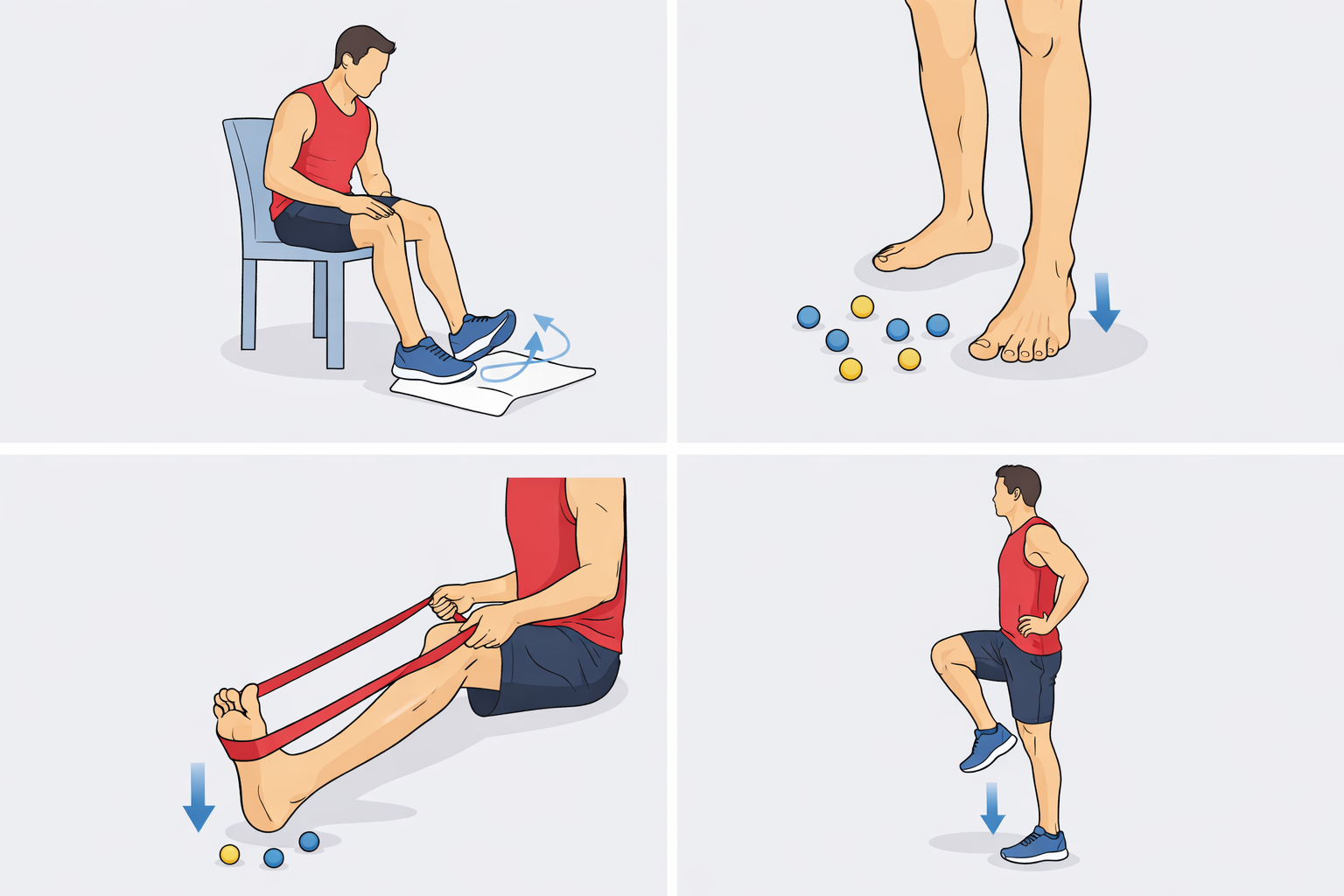
    Toe and Arch Strengthening: Exercises such as toe curls, picking up small objects with your toes, and towel scrunches help maintain intrinsic foot muscle strength, improve balance, and provide better shock absorption during prolonged standing.

    Balance and Proprioception Training: Standing on one leg or using a balance board improves ankle stability, reducing the likelihood of sprains or other injuries.

    Ankle Mobility Drills: Gentle rotations, flexion, and extension exercises keep the ankle joints mobile, reducing stiffness and discomfort caused by long-standing positions.

    Incorporating these exercises into a daily routine—even 10–15 minutes at the start or end of a shift—can significantly reduce foot fatigue and improve long-term foot health.

    Even with preventive measures, some individuals may develop persistent foot pain due to prolonged standing or pre-existing conditions. Early intervention is essential to avoid long-term complications.

    Rest and Ice Therapy: Initial management for mild pain or inflammation includes elevating the feet and applying ice to reduce swelling.

    Supportive Footwear and Custom Orthotics: Shoes designed for long-standing jobs, coupled with orthotics, help redistribute pressure and provide arch support.

    Physical Therapy: Targeted therapy can strengthen foot and ankle muscles, improve flexibility, and correct biomechanical imbalances. Therapists may use modalities such as ultrasound, electrical stimulation, or manual therapy to enhance healing.

    Anti-Inflammatory Medications: Over-the-counter NSAIDs can reduce pain and inflammation, while podiatrists may prescribe stronger medications for more severe cases.

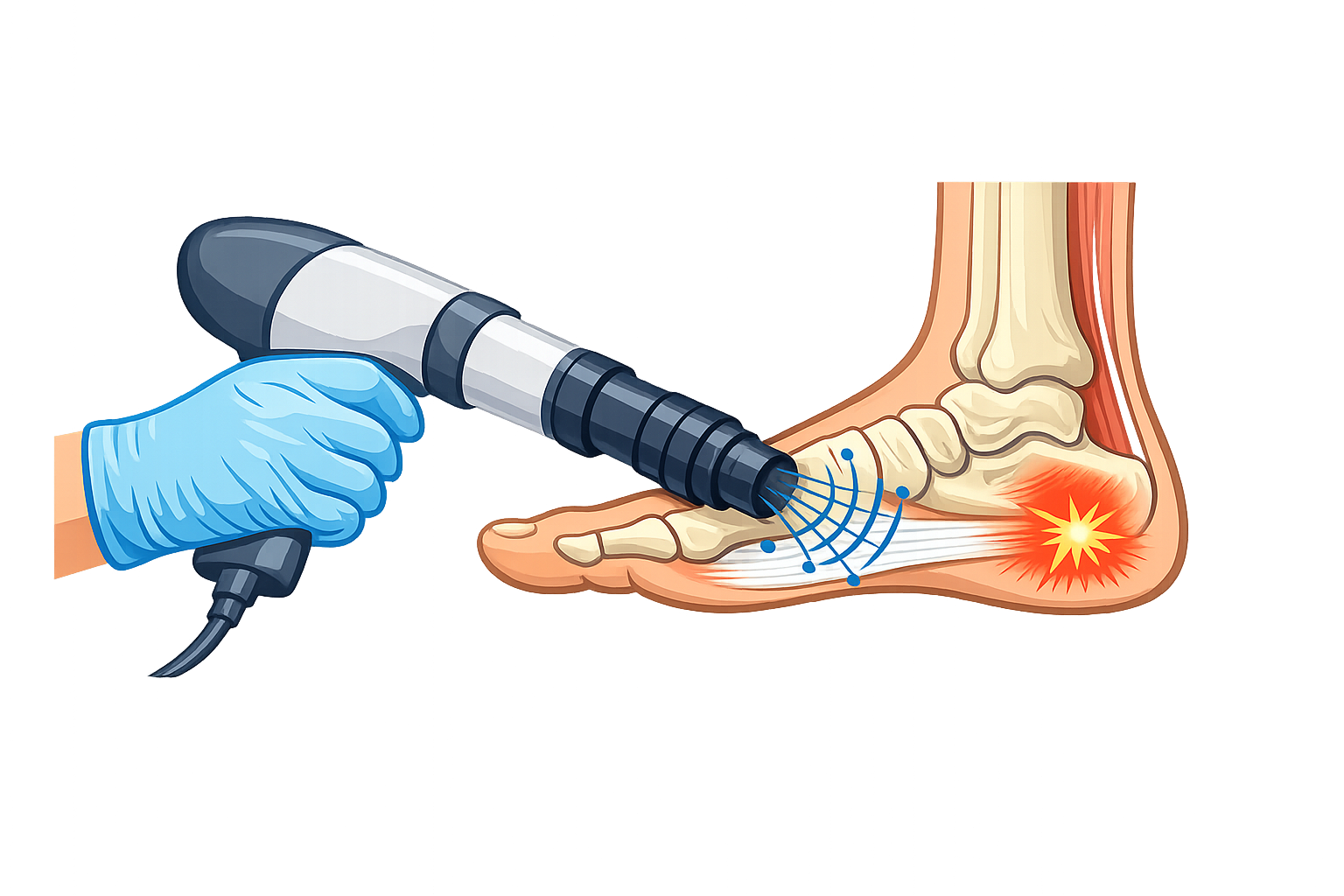
    Advanced Therapies: Chronic conditions resistant to conservative care may benefit from PRP injections or shockwave therapy to stimulate healing in tendons, fascia, and ligaments.

    Surgical Intervention: In rare cases, surgery may be necessary for structural deformities, persistent plantar fasciitis, or severe tendon injuries. Surgery is typically the last resort after a comprehensive trial of conservative measures.

    OOur podiatrists in Livonia and Royal Oak, MI, are dedicated to providing:

    • Expert Diagnosis: Accurate evaluation using advanced imaging and physical assessments.
    • Comprehensive Treatment: From conservative care to surgical solutions, tailored to each patient.
    • Patient Education: Guidance on preventing recurrence and maintaining long-term foot health.
    • Personalized Care: Focused on improving mobility, comfort, and quality of life.

    Whether you are an athlete, professional, or someone experiencing daily foot pain, we provide solutions to keep you moving comfortably.


    At Nationwide Foot & Ankle Care, P.C., our podiatrists in Livonia and Royal Oak, MI specialize in providing personalized care for workers and individuals with prolonged standing requirements. We focus on prevention, early intervention, and comprehensive treatment options to keep your feet, ankles, and overall posture in optimal condition.

    Schedule an appointment today to learn more about customized orthotics, foot strengthening strategies, and other preventative measures for pain-free feet.

    ← Back

    Thank you for your response. ✨

  • Understanding Morton’s Neuroma

    Understanding Morton’s Neuroma

    understanding morton's neuroma
    Photo by Pixabay on Pexels.com

    Understanding Morton’s Neuroma: Symptoms, Causes, and Treatment

    Foot pain can be a frustrating and limiting condition, especially when it affects daily activities. One common cause of nerve-related foot pain is Morton’s neuroma, a condition that can significantly impact comfort and mobility. Understanding its symptoms, causes, and available treatments is essential for proper care and relief.

    At Nationwide Foot & Ankle Care, P.C., our experienced podiatrists in Livonia and Royal Oak, MI, provide comprehensive evaluations and treatment plans for Morton’s neuroma, helping patients across Metro Detroit and Southeast Michigan get back on their feet.

    Morton's Neuroma treatments

    Morton’s neuroma is a thickening of the tissue surrounding one of the nerves leading to the toes, most commonly between the third and fourth toes. This thickening can compress the nerve, resulting in sharp, burning pain, tingling, or numbness in the affected area. While it is not a tumor, the condition can be extremely uncomfortable and often worsens with certain activities or footwear.


    Several factors can contribute to the development of Morton’s neuroma:

    • High-Impact Activities: Sports or activities that put repeated stress on the ball of the foot.
    • Improper Footwear: Tight shoes, high heels, or shoes with narrow toe boxes can compress the nerves.
    • Foot Structure: Flat feet, high arches, bunions, or hammertoes can create abnormal pressure on nerves.
    • Repetitive Trauma: Ongoing irritation of the foot’s nerves from prolonged walking, running, or standing.
    • Medical Conditions: In some cases, arthritis or other systemic conditions may increase susceptibility.

    Understanding these causes helps podiatrists recommend lifestyle adjustments and preventive strategies to reduce risk.

    Symptoms vary in severity and can develop gradually over time. Common signs include:

    Burning or Sharp Pain: Typically in the ball of the foot, often radiating to the toes.

    Tingling or Numbness: Affected toes may feel “asleep” or prickly.

    Swelling: Some patients notice mild swelling between the toes.

    Discomfort with Shoes: Pain often worsens when wearing tight shoes or high heels.

    Feeling of a Pebble: Some describe the sensation as walking on a small stone.

    Early recognition of these symptoms can improve treatment outcomes and prevent the condition from worsening.

    A podiatrist evaluates Morton’s neuroma through:

    1. Medical History: Understanding symptom onset, intensity, and triggers.
    2. Physical Examination: Assessing tenderness, swelling, and nerve compression.
    3. Imaging Tests: Ultrasound or MRI may be used to confirm the presence and size of the neuroma.
    4. Biomechanical Assessment: Evaluating gait, arch type, and foot structure to identify contributing factors.

    Accurate diagnosis is essential for effective treatment and symptom relief.

    Treatment for Morton’s neuroma depends on symptom severity and patient needs. Options include:

    Conservative Treatments

    Footwear Adjustments: Wearing shoes with wide toe boxes and low heels to reduce nerve compression.

    Orthotics: Custom-made inserts to redistribute pressure and stabilize foot mechanics.

    Activity Modification: Avoiding high-impact activities that exacerbate symptoms.

    Medications: Anti-inflammatory drugs to reduce pain and swelling.

    Padding and Taping: Protective pads or taping techniques to relieve pressure on the affected nerve.

    Advanced Non-Surgical Treatments

    Corticosteroid Injections: Reduce inflammation and pain in the affected area.

    Physical Therapy: Exercises to improve foot strength and reduce nerve irritation.

    Extracorporeal Shockwave Therapy: Occasionally used for chronic cases resistant to standard treatment.

    Surgical Treatment

    If conservative methods fail, surgery may be considered:

    Neurectomy: Removal of the affected nerve segment to relieve pain.

    Decompression Surgery: Releases pressure on the nerve by cutting nearby structures.

    Surgical intervention is usually reserved for persistent or severe cases and is accompanied by a structured rehabilitation plan.


    Wear Proper Footwear: Avoid high heels and tight shoes; choose shoes with supportive soles and wide toe boxes.

    Maintain Foot Health: Stretch and strengthen foot muscles regularly.

    Monitor Activity Levels: Take breaks during prolonged standing, walking, or running.

    Address Structural Issues: Orthotics or corrective footwear can reduce pressure on nerves.

    Seek Early Care: Consult a podiatrist at the first sign of discomfort to prevent worsening.

    OOur podiatrists in Livonia and Royal Oak, MI, are dedicated to providing:

    • Expert Diagnosis: Accurate evaluation using advanced imaging and physical assessments.
    • Comprehensive Treatment: From conservative care to surgical solutions, tailored to each patient.
    • Patient Education: Guidance on preventing recurrence and maintaining long-term foot health.
    • Personalized Care: Focused on improving mobility, comfort, and quality of life.

    Whether you are an athlete, professional, or someone experiencing daily foot pain, we provide solutions to keep you moving comfortably.


    Schedule a Morton’s Neuroma Consultation

    Don’t let nerve-related foot pain limit your mobility. Contact Nationwide Foot & Ankle Care, P.C. today in Livonia or Royal Oak, MI to schedule an appointment. Early intervention can provide relief and prevent long-term complications..

    ← Back

    Thank you for your response. ✨

  • Preventing and Treating Heel Spurs: A Comprehensive Guide

    understanding hammer toes

    Heel Spur Treatment and Causes

    Heel pain is one of the most common complaints among adults of all ages, and a frequent culprit is heel spurs. While not always painful themselves, heel spurs are closely associated with chronic heel discomfort, especially among active individuals, runners, and those who spend long hours on their feet. Understanding how to treat heel spurs, the best prevention strategies, and when to seek professional care can make the difference between lingering pain and long‑term relief.

    At Nationwide Foot & Ankle Care, P.C., our experienced podiatrists in Livonia and Royal Oak, MI, help patients throughout Metro Detroit and Southeast Michigan identify, prevent, and treat heel spurs so they can stay active and pain‑free.

    Heel spur treatments

    A heel spur is a bony growth that forms on the underside of the heel bone (calcaneus). Microscopically small but often visible on X‑ray, heel spurs develop over time due to repeated strain on the muscles and ligaments of the foot. They’re especially common in people with chronic heel pain, although not all heel spurs are painful.

    Most heel spurs are associated with plantar fasciitis, a condition in which the plantar fascia — the thick band of tissue that runs from the heel to the toes — becomes inflamed. The body responds to chronic tension by laying down extra bone at the site of stress, resulting in a spur.


    Heel spurs don’t appear overnight. They are the result of ongoing stress and micro‑trauma to the foot. Common contributing factors include:

    Overuse and Activity Level: Repeated impact on hard surfaces (running, walking, standing) can strain the heel.

    Poor Foot Mechanics: Flat feet, high arches, and other biomechanical imbalances increase tension on the plantar fascia.

    Improper Footwear: Shoes lacking arch support or cushioning amplify stress on heel tissues.

    Obesity or Sudden Weight Gain: Extra body weight increases pressure on the heel.

    Age and Fitness Changes: Heel spurs become more common with age as soft tissues lose elasticity.

    Occupational Stress: Long hours on hard floors (teachers, healthcare workers) can accelerate tissue irritation.

    Understanding why heel spurs form helps inform both treatment and prevention strategies.

    Not all heel spurs cause symptoms — however, when they do, they often resemble or coincide with plantar fasciitis. Typical signs include:

    • Sharp or stabbing pain under the heel, especially with the first steps in the morning
    • Pain that increases after activity, not necessarily during it
    • Dull ache or burning sensation along the heel or arch
    • Tenderness to the touch at the bottom of the heel
    • Difficulty walking or standing for long periods

    Many patients describe the sensation like “stepping on a pebble” in the heel. While imaging (like X‑ray) confirms the presence of a spur, the location and intensity of pain often guide treatment.

    If left untreated, hammer toes can lead to secondary problems that If you suspect a heel spur, a professional evaluation is essential for accurate diagnosis and to rule out other causes of heel pain such as:

    • Plantar fasciitis
    • Achilles tendonitis
    • Stress fractures
    • Tarsal tunnel syndrome
    • Bursitis

    During your appointment at Nationwide Foot & Ankle Care, P.C., your podiatrist will:

    1. Take a detailed medical and activity history — including symptoms, onset, and aggravating factors.
    2. Perform a physical exam — examining gait, foot mechanics, range of motion, tenderness points, and posture.
    3. Order imaging studies — X‑rays to visualize heel spurs, evaluate bone structure, and detect other abnormalities.
    4. Assess biomechanics — including arch type, pronation, and muscle imbalances that contribute to stress on the heel.

    This comprehensive approach ensures that treatment is tailored to both your heel spur and the underlying causes.

    Treatment for heel spurs aims to relieve pain, reduce inflammation, improve biomechanics, and promote healing of the surrounding soft tissues. Most cases respond well to conservative (non‑surgical) care, especially when started early.

    1. Rest and Activity Modification

    Reducing high‑impact activities allows inflammation to decrease. Switching to low‑impact exercises (like swimming or cycling) can maintain fitness while healing occurs.

    2. Stretching and Strengthening

    Targeted stretching — especially for the plantar fascia, calf muscles, and Achilles tendon — reduces tension on the heel. Strengthening intrinsic foot muscles further stabilizes gait and reduces repetitive strain.

    3. Supportive Footwear

    Shoes with well‑cushioned soles and adequate arch support reduce pressure on the heel. Avoid flat, worn‑out shoes, flip‑flops, or high heels until symptoms improve.

    4. Custom Orthotics

    Custom‑made orthotics provide individualized support by correcting biomechanical imbalances. They help redistribute pressure away from painful areas, improve alignment, and prevent recurrence.

    5. Physical Therapy

    Physical therapy may include manual therapy, stretching routines, and modalities like ultrasound or shockwave therapy. Therapists also teach proper gait mechanics and exercises to support recovery.

    6. Anti‑Inflammatory Medications

    Over‑the‑counter NSAIDs (like ibuprofen) can reduce pain and inflammation. Your podiatrist may recommend prescription therapy when appropriate.

    7. Corticosteroid Injections

    In select cases, a steroid injection can quickly reduce severe inflammation and provide temporary pain relief. These are used cautiously due to potential side effects.

    8. Advanced Therapies

    Platelet‑rich plasma (PRP) injections or extracorporeal shockwave therapy (ESWT) may be recommended for chronic cases that resist standard treatment.

    9. Surgery

    Surgery is considered when conservative treatments fail after an appropriate trial (usually 6–12 months) and pain remains debilitating. Surgical options may include:

    • Removal of the heel spur
    • Release of tight plantar fascia
    • Corrective procedures to improve foot mechanics

    Post‑surgical rehabilitation focuses on proper recovery, gradual return to activity, and footwear/lifestyle adjustments.


    Good news: many heel spurs are preventable with proactive care.

    Wear Supportive Shoes: Choose footwear designed for your arch type and activity level. Replace shoes before they lose cushioning.

    Warm‑Up before Activities: Gentle stretching before exercise prepares muscles and tendons for strain.

    Maintain a Healthy Weight: Reduced stress on the feet decreases chronic tension on the plantar fascia.

    Balance Training: Strengthening core and lower limb muscles helps distribute forces more evenly through the feet.

    Gradual Progression: Increase exercise intensity and mileage slowly to avoid overuse injuries.

    Incorporating these habits into daily life can significantly reduce your risk of heel spurs and other foot ailments.

    If heel pain persists beyond a few weeks, worsens, or limits daily activities, don’t wait. Early evaluation improves outcomes and often prevents the need for surgery. See a podiatrist if:

    • Pain is sharp, persistent, or worsens with activity
    • Symptoms interfere with walking or exercise
    • You have diabetes, poor circulation, or numbness
    • Conservative home care fails to improve symptoms

    At Nationwide Foot & Ankle Care, P.C., we treat heel spurs as part of a comprehensive foot health plan tailored to your lifestyle and goals.

    Our team in Livonia and Royal Oak, MI is dedicated to providing compassionate, expert care for heel pain and heel spurs. We focus on:

    • Accurate diagnosis using state‑of‑the‑art imaging
    • Personalized treatment plans that address underlying causes
    • A blend of conservative and advanced treatment options
    • Education and preventive strategies to keep you active and pain‑free

    Whether you’re an athlete, a weekend warrior, or someone experiencing daily heel discomfort, we’re here to help.


    Even after treatment, prevention is key:

    • Wear shoes with ample toe room and low heels.
    • Avoid prolonged use of narrow or high-heeled shoes.
    • Perform regular toe exercises to strengthen and stretch muscles.
    • Seek podiatry evaluation at the first sign of discomfort.

    Following these preventive measures helps maintain proper toe alignment and avoid future deformities.


    Schedule Your Heel Spur Consultation

    Heel spurs shouldn’t hold you back from enjoying life. If you’re experiencing heel pain or want to learn more about heel spur treatment or prevention, contact Nationwide Foot & Ankle Care, P.C. in Livonia or Royal Oak, MI to schedule your appointment and take the first step toward lasting relief.

    ← Back

    Thank you for your response. ✨

  • Understanding Hammer Toes: Causes, Symptoms, and Treatment Options

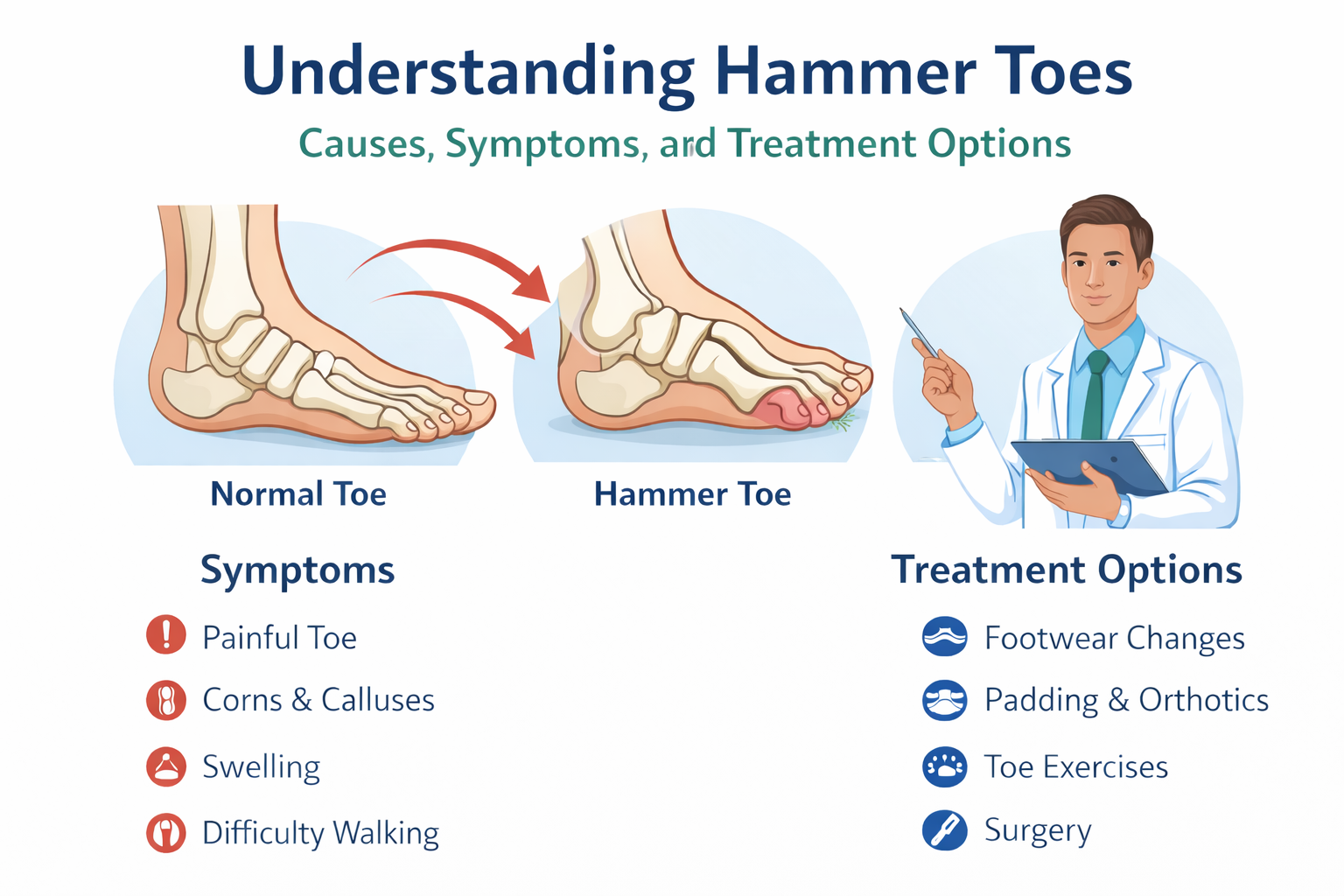
    Understanding Hammer Toes: Causes, Symptoms, and Treatment Options

    understanding hammer toes

    Understanding Hammer Toes: Causes, Symptoms, and Treatment Options

    Hammer toes are a common toe deformity that can cause pain, discomfort, and mobility issues. The condition occurs when one or more toes become permanently bent at the middle joint, creating a hammer-like appearance. Hammer toes can affect adults of all ages, particularly those who wear tight or high-heeled shoes, have underlying foot conditions, or experience muscle imbalances.

    At Nationwide Foot & Ankle Care, P.C., our expert podiatrists in Livonia and Royal Oak, MI specialize in diagnosing and treating hammer toes. We provide comprehensive care, from early conservative management to advanced surgical interventions, helping patients relieve pain, restore mobility, and prevent long-term complications.

    Hammer Toe Treatments

    A normal toe relies on bones, joints, tendons, and muscles to provide flexibility and support for walking, balance, and weight distribution. Each toe has multiple joints that allow movement, while the surrounding muscles and tendons help lift, straighten, and stabilize the toes during daily activities.

    In hammer toes, an imbalance in these muscles and tendons causes the middle joint to bend downward. This abnormal bending disrupts normal biomechanics, creating pressure on the joint and rubbing against footwear. Over time, this can lead to pain, corns, calluses, and limited toe mobility. Understanding the anatomy of the toe helps patients see why early intervention is so important for both comfort and long-term foot health.


    Hammer toes can affect anyone, but certain groups are at higher risk. Identifying risk factors allows patients to take preventive measures:

    • Age & Gender: Older adults are more commonly affected, and women are at higher risk due to footwear choices such as high heels.
    • Footwear: Tight, narrow, or high-heeled shoes that force toes into a bent position.
    • Lifestyle & Activity Level: Athletes, dancers, or people who spend long periods standing or walking.
    • Medical Conditions: Arthritis, diabetes, neuromuscular disorders, or prior foot injuries.
    • Genetics: Family history of toe deformities or foot structure abnormalities such as high arches or flat feet.

    Recognizing these risk factors early can help patients make lifestyle or footwear adjustments that may prevent progression.

    Hammer toes progress gradually, and symptoms vary depending on severity. Understanding early signs allows for timely intervention:

    • Mild (Flexible): Slight bending at the middle joint, occasional discomfort in shoes, and the toe can still be manually straightened.
    • Moderate: Persistent bending, pain when walking or wearing shoes, and corns or calluses forming on the top or tip of the toe.
    • Severe (Rigid): Permanent bending, difficulty walking, visible deformity, and chronic pain. Conservative treatments may no longer be effective, and surgical correction is often needed.

    Patients should monitor any toe discomfort or deformity and seek evaluation promptly to avoid progression.

    If left untreated, hammer toes can lead to secondary problems that affect mobility and quality of life. Common complications include:

    • Corns and Calluses: Friction from footwear leads to painful thickened skin.
    • Ulcers or Skin Breakdown: Particularly concerning for diabetic patients or those with poor circulation.
    • Joint Stiffness: Loss of mobility in the affected toe joint.
    • Altered Gait: Changes in walking patterns can strain knees, hips, and back.
    • Persistent Pain: Difficulty walking, exercising, or wearing shoes comfortably.

    Early evaluation by a podiatrist can prevent these complications and preserve foot health.

    Hammer toes develop gradually, and symptoms can vary depending on severity. Recognizing these signs early can improve outcomes and treatment success.

    Patients may first notice mild discomfort when wearing shoes or a subtle change in toe alignment. As the condition progresses, additional symptoms can appear:

    • Visible Toe Deformity: The middle joint bends downward, giving the toe a hammer-like appearance.
    • Pain or Discomfort: Pain is often worse when wearing shoes, walking, or during physical activity.
    • Swelling and Redness: Inflammation may develop due to friction against footwear.
    • Corns or Calluses: Thickened skin forms on top or at the tip of the toe, causing irritation.
    • Difficulty Walking: Severe or rigid hammer toes can interfere with balance and mobility.

    If you notice any of these symptoms, consulting a podiatrist promptly is essential. Early evaluation increases the success of conservative treatment and may prevent surgery.


    A thorough evaluation is essential to develop a tailored treatment plan. At Nationwide Foot & Ankle Care, P.C., our podiatrists assess patients using multiple diagnostic methods:

    • Physical Examination: Evaluates toe alignment, flexibility, and pain points.
    • X-Rays: Identify joint changes, bone alignment, and severity of the deformity.
    • Gait Analysis: Measures how hammer toes affect walking patterns and balance.
    • Biomechanical Assessment: Determines underlying causes, such as tendon imbalances or structural abnormalities.

    After a comprehensive diagnosis, podiatrists create personalized treatment plans to address the patient’s unique needs.

    Hammer toes arise from a combination of factors:

    • Improper Footwear: Shoes that are too tight, narrow, or high-heeled push toes into a bent position.
    • Muscle Imbalances: Weak or overactive tendons and muscles cause abnormal forces.
    • Injury or Trauma: Stubbed toes, fractures, or repeated injuries may trigger deformity.
    • Medical Conditions: Arthritis, diabetes, and neuromuscular disorders can weaken joint support.
    • Genetics: Certain foot structures and family history play a role.

    Understanding these causes helps patients take preventive measures and address modifiable risks.

    Treatment depends on severity, flexibility, and overall foot health. Proper treatment can relieve pain, restore function, and prevent recurrence.

    Non-Surgical Treatments

    For mild or flexible hammer toes, conservative care is often effective:

    • Footwear Adjustments: Wide toe boxes and low heels reduce pressure.
    • Padding and Orthotics: Cushions or custom orthotics relieve pain and improve alignment.
    • Exercises: Stretching and strengthening routines maintain flexibility and correct muscle imbalance.
    • Medications: OTC anti-inflammatory drugs reduce pain and swelling.

    These measures are most effective when combined with lifestyle adjustments and early intervention.

    Surgical Treatments

    Severe or rigid hammer toes may require surgery:

    • Tendon Release or Transfer: Adjust tendons to straighten the toe.
    • Joint Resection (Arthroplasty): Remove part of the joint to restore alignment.
    • Fusion Surgery (Arthrodesis): Permanently fuses the joint to relieve chronic pain.

    Post-operative care includes rehabilitation, protective footwear, and gradual return to normal activity.


    Even after treatment, prevention is key:

    • Wear shoes with ample toe room and low heels.
    • Avoid prolonged use of narrow or high-heeled shoes.
    • Perform regular toe exercises to strengthen and stretch muscles.
    • Seek podiatry evaluation at the first sign of discomfort.

    Following these preventive measures helps maintain proper toe alignment and avoid future deformities.


    Schedule Your Consultation


    Experiencing toe pain, visible deformity, or difficulty walking? Contact Nationwide Foot & Ankle Care, P.C. in Livonia or Royal Oak, MI for personalized hammer toe treatment. Relieve pain, restore mobility, and improve quality of life.

    ← Back

    Thank you for your response. ✨

    Visit us

    13407 Farmington Road Suite 102, Livonia, MI 48150

  • What is the Difference Between a Foot Specialist & a Podiatrist?

    x-ray photo of foot
    x-ray Podiatrist

    What is the Difference Between a Foot Specialist & a Podiatrist?

    When it comes to foot and ankle health, many people wonder about the difference between a foot specialist and a podiatrist. Understanding the distinctions between these roles can help you make informed decisions about your care. At Nationwide Foot & Ankle Care, P.C., we aim to clarify these differences and guide you to the best possible treatment for your specific needs.

    Foot Specialist vs. Podiatrist

    Defining a Foot Specialist

    A foot specialist is a general term that refers to any healthcare professional with expertise in diagnosing and treating conditions related to the feet and ankles. This broad category can include:

    1. Orthopedic Surgeons: These are medical doctors who specialize in the musculoskeletal system, including bones, joints, ligaments, and tendons. Orthopedic surgeons may focus on foot and ankle conditions, particularly those requiring surgical intervention.
    2. Physical Therapists: These professionals help patients recover from injuries and improve mobility through exercises and other therapeutic techniques. Some physical therapists specialize in foot and ankle rehabilitation.
    3. Podiatrists: While podiatrists are foot specialists, not all foot specialists are podiatrists. Podiatrists have specific training and focus solely on the feet and ankles.

    Understanding a Podiatrist

    A podiatrist is a medical professional with specialized education and training in the diagnosis, treatment, and prevention of foot and ankle disorders. Podiatrists hold a Doctor of Podiatric Medicine (DPM) degree and undergo rigorous training, including:

    • Undergraduate Education: A four-year pre-medical program.
    • Podiatric Medical School: Four years of specialized medical training focused on the feet and ankles.
    • Residency: A three-year surgical residency, providing extensive hands-on experience in treating foot and ankle conditions.

    Key Differences

    1. Scope of Practice: Podiatrists are trained specifically in foot and ankle care, while other foot specialists, like orthopedic surgeons, may treat a broader range of musculoskeletal issues.
    2. Training and Education: Podiatrists undergo focused education and training in podiatric medicine, whereas other foot specialists may have broader medical training with additional specialization in foot and ankle care.
    3. Treatment Approaches: Podiatrists offer comprehensive care for a wide range of foot and ankle issues, from common conditions like bunions and heel pain to complex surgical procedures. Orthopedic surgeons may handle more extensive reconstructive surgeries involving the foot and ankle bones.

    Choosing the Right Professional

    When deciding between a foot specialist and a podiatrist, consider the nature of your condition:

    • Routine Foot Care: For general foot health, diabetic foot care, and minor injuries, a podiatrist is often the best choice due to their specialized training.
    • Surgical Interventions: For complex fractures, joint replacement, or reconstructive surgery, an orthopedic surgeon specializing in foot and ankle conditions may be more appropriate.
    • Rehabilitation: If you require physical therapy following an injury or surgery, a physical therapist specializing in foot and ankle rehabilitation can provide valuable support.

    Why Choose Nationwide Foot & Ankle Care, P.C. as Your Podiatrist?

    At Nationwide Foot & Ankle Care, P.C., we are dedicated to providing expert podiatric care tailored to your needs. Our team of experienced podiatrists offers comprehensive treatment for a variety of foot and ankle conditions. With convenient locations in Livonia and Royal Oak, MI, we are here to help you achieve optimal foot health and mobility.

    Whether you are dealing with chronic foot pain, a sports injury, or diabetic foot complications, our podiatrists have the knowledge and tools to provide effective, personalized care. We understand that foot and ankle pain can significantly impact your quality of life, and we are committed to helping you return to an active, pain-free lifestyle.

    For more information or to schedule an appointment, contact Nationwide Foot & Ankle Care, P.C. today. Let our specialists guide you to better foot health and overall well-being.

    Contact us

    ← Back

    Thank you for your response. ✨

    Visit us

    13407 Farmington Road Suite 102, Livonia, MI 48150

  • Foot Care Tips for Seniors: Maintaining Mobility and Comfort as You Age

    Foot Care Tips for Seniors: Maintaining Mobility and Comfort as You Age

    Foot Care Tips For Seniors

    As we age, our feet go through natural changes that can affect mobility, balance, and overall health. Thinning skin, reduced fat padding, stiff joints, and decreased circulation are just a few of the age-related factors that make seniors more susceptible to foot pain, injuries, and chronic conditions. Maintaining foot care for seniors is essential to preserving comfort, preventing complications, and supporting an active lifestyle.

    At Nationwide Foot & Ankle Care, P.C., our experienced podiatrists in Livonia and Royal Oak, MI, focus on comprehensive care for older adults. We help seniors manage chronic foot conditions, prevent injuries, and maintain mobility so they can enjoy daily activities with confidence.

    Foot Care tips for seniors

    Feet carry the weight of our bodies and serve as the foundation for balance and movement. When foot health declines, it can lead to a cascade of issues, including chronic pain, limited mobility, and even falls. Seniors often face a higher risk of foot problems due to a combination of aging, long-term wear, and underlying medical conditions such as diabetes, arthritis, or peripheral vascular disease.

    Diabetes, in particular, can significantly affect foot health. Reduced circulation and nerve sensitivity (neuropathy) can make it difficult for seniors to notice injuries, leading to infections or slow-healing ulcers. Arthritis can cause joint stiffness and deformities, while conditions like plantar fasciitis or Achilles tendonitis can make walking painful. Even seemingly minor issues, like corns or toenail infections, can escalate without proper care.

    By prioritizing elderly foot care, seniors can maintain mobility, prevent injuries, and enjoy a better quality of life.


    Healthy feet are critical for maintaining mobility, independence, and confidence. Seniors who prioritize foot care can prevent pain, reduce the risk of falls, and continue to participate in social and physical activities. Addressing issues early through daily care, supportive footwear, and professional guidance ensures that seniors maintain their quality of life and reduce future healthcare complications.


    • Seniors experience a variety of foot problems as part of the natural aging process, as well as due to lifestyle, medical conditions, and footwear choices. Common conditions include:
    • Corns and Calluses: These thickened areas of skin develop from repeated friction or pressure, often caused by shoes that are too tight or uneven gait patterns. Untreated, corns and calluses can become painful and lead to ulcers.
    • Bunions: A misalignment of the big toe joint can cause swelling, pain, and difficulty walking. Bunions often worsen over time if not addressed with supportive footwear or orthotics.
    • Heel Pain & Plantar Fasciitis: Inflammation of the plantar fascia, a thick band of tissue along the bottom of the foot, can result in stabbing or aching heel pain, particularly after long periods of standing or in the morning.
    • Toenail Disorders: Seniors frequently experience fungal infections, ingrown nails, or thickened nails that can make walking uncomfortable and increase the risk of infection.
    • Diabetic Foot Complications: Poor circulation and neuropathy heighten the risk of foot ulcers, infections, and delayed healing. Regular podiatric care is essential for diabetic seniors.
    • Arthritis and Joint Stiffness: Osteoarthritis or rheumatoid arthritis can limit motion in the toes, midfoot, and ankles, affecting stability and gait.
    • Achilles Tendonitis: Overuse or improper footwear can inflame the Achilles tendon, leading to pain in the heel and back of the ankle.
    • Neuropathy and Loss of Sensation: Reduced nerve sensitivity can prevent seniors from noticing injuries, which increases the likelihood of serious complications.

    Maintaining healthy feet requires daily attention, proper hygiene, and proactive management of underlying conditions. A structured daily foot care routine can prevent minor problems from escalating into serious health issues.

    1. Daily Inspection

    Seniors should examine their feet every day for cuts, blisters, swelling, redness, or changes in nail color. People with diabetes or neuropathy should be especially vigilant, as injuries may go unnoticed and develop into serious complications if untreated.

    2. Hygiene and Moisturization

    Feet should be washed daily with mild soap and warm water, and thoroughly dried, particularly between the toes. Moisturizing helps prevent dry, cracked skin but should not be applied between toes to avoid fungal infections. For seniors prone to athlete’s foot, antifungal powders or creams can help prevent recurrence.

    3. Nail Care

    Toenails should be trimmed straight across and filed to smooth edges, avoiding rounding which can lead to ingrown nails. Seniors with thickened, brittle, or discolored nails may require professional care to prevent infections or discomfort.

    4. Footwear Selection

    Supportive, well-cushioned shoes with a wide toe box are crucial. Tight, pointed, or high-heeled shoes should be avoided. Proper footwear reduces pressure on sensitive areas, helps prevent corns and calluses, and accommodates deformities like bunions. Breathable, moisture-wicking socks further help maintain foot health. For seniors with structural imbalances or chronic pain, custom orthotics may be recommended to provide support and reduce strain.

    5. Exercise and Stretching

    Regular foot and ankle exercises improve circulation, flexibility, and strength, reducing stiffness and enhancing balance. Gentle exercises such as toe curls, ankle rotations, heel raises, and rolling the foot over a soft ball can help prevent injuries and maintain mobility. Even low-impact activities like walking or water aerobics support overall foot health.

    6. Manage Underlying Medical Conditions

    Chronic conditions such as diabetes, arthritis, and vascular disease significantly impact foot health. Diabetic seniors should monitor blood sugar levels and receive regular foot exams. Arthritis management may involve supportive footwear, orthotics, or gentle stretching. Circulation issues may require compression socks or leg elevation techniques, as recommended by a podiatrist.

    7. Regular Podiatry Visits

    Routine visits with a podiatrist are essential for early detection of issues, especially for seniors with chronic conditions. A podiatrist can evaluate gait, circulation, nerve function, and joint health, and provide treatments ranging from custom orthotics to physical therapy, wound care, or surgical interventions when necessary.


    Healthy feet are critical for maintaining mobility, independence, and confidence. Seniors who prioritize foot care can prevent pain, reduce the risk of falls, and continue to participate in social and physical activities. Addressing issues early through daily care, supportive footwear, and professional guidance ensures that seniors maintain their quality of life and reduce future healthcare complications.

    Senior foot care michigan

    At Nationwide Foot & Ankle Care, P.C., our expert podiatrists provide compassionate, comprehensive care for seniors in Livonia, Royal Oak, and the greater Metro Detroit area. We offer:

    • Thorough Evaluations: Assessing foot structure, circulation, and nerve function to identify problems early.
    • Personalized Treatment Plans: Individualized strategies to address pain, mobility issues, and chronic conditions.
    • Advanced Treatments: Including custom orthotics, physical therapy, wound care, and surgical interventions when needed.
    • Preventive Education: Teaching seniors and caregivers how to maintain foot health at home and prevent injuries.
    • Our goal is to help seniors stay active, comfortable, and independent through proactive foot care.

    If you or a loved one is experiencing foot pain, discomfort, or mobility challenges, contact Nationwide Foot & Ankle Care, P.C. in Livonia or Royal Oak, MI. Our experienced podiatrists provide comprehensive elderly foot care solutions tailored to your needs. Schedule a consultation today to maintain healthy, pain-free feet and improve your quality of life.

    Call us at (734) 261-3400

    Request an appointment online: Request Appointment


  • Preventing and Treating Achilles Tendonitis

    Preventing and Treating Achilles Tendonitis

    How to Prevent and Treat Achilles Tendonitis


    Achilles tendonitis is a common condition that affects athletes, fitness enthusiasts, and anyone who places repetitive stress on their Achilles tendon—the thick band of tissue connecting your calf muscles to your heel. This condition can cause pain, inflammation, and limited mobility, potentially affecting performance and daily activities.

    At Nationwide Foot & Ankle Care, P.C., our experienced podiatrists in Livonia and Royal Oak, MI, specialize in Achilles tendonitis treatment, providing personalized care for fast recovery and long-term tendon health.

    Achilles Tendonitis metro detroit

    Achilles tendonitis is the inflammation or irritation of the Achilles tendon, often resulting from overuse, repetitive activity, or sudden increases in physical intensity. It can be classified into two main types:

    • Acute Achilles Tendonitis: Sudden onset, often due to intense exercise or injury.
    • Chronic Achilles Tendonitis: Long-term degeneration of the tendon caused by repeated stress or aging.

    Without proper care, the tendon can weaken and may lead to tendon rupture, which requires surgical intervention.


    Certain individuals are more likely to experience Achilles tendonitis:

    • Athletes: Runners, basketball, soccer, and tennis players
    • Fitness Enthusiasts: Those increasing intensity too quickly
    • Older Adults: Tendons lose elasticity with age
    • People with Biomechanical Issues: Flat feet, high arches, or abnormal gait
    • Individuals with Obesity: Extra weight increases strain on the tendon

    • Pain or stiffness along the tendon, especially after rest or in the morning
    • Swelling, tenderness, or warmth around the tendon
    • Thickening or nodules along the tendon
    • Pain that worsens with activity
    • Limited ankle mobility or discomfort when walking or running
    1. Overuse or Sudden Activity Increases Rapidly increasing distance, intensity, or new workouts can overload the tendon.
    2. Tight or Weak Calf Muscles Reduced flexibility or muscle strength increases stress on the tendon.
    3. Improper Footwear Shoes without proper cushioning or arch support can aggravate the tendon.
    4. Biomechanical Abnormalities Flat feet, high arches, or abnormal gait can place uneven pressure on the tendon.
    5. Aging Tendons With age, tendons lose elasticity and are more prone to inflammation and injury.
    • Gradually increase workout intensity
    • Stretch and warm up properly before exercise
    • Strengthen calves and foot muscles
    • Wear supportive, activity-appropriate footwear
    • Monitor activity load and rest adequately

    Treatment is tailored based on severity, activity level, and underlying causes.

    1. Conservative Treatments

    • Rest and Activity Modification: Avoid activities that worsen symptoms.
    • Ice Therapy: Apply ice for 15–20 minutes to reduce inflammation.
    • Over-the-Counter Pain Relief: NSAIDs like ibuprofen help manage pain and swelling.

    2. Physical Therapy and Exercises

    Targeted Achilles tendon exercises can strengthen and stretch the tendon:

    • Eccentric Heel Drops: Gradual strengthening of the tendon
    • Calf Stretching: Improves flexibility and reduces tension
    • Balance and Proprioception Training: Enhances ankle stability and prevents re-injury

    3. Orthotics and Supportive Footwear

    • Custom Orthotics: Correct biomechanical issues and reduce strain
    • Heel Lifts: Temporarily relieve tension on the tendon

    4. Advanced Treatments

    • Platelet-Rich Plasma (PRP) Therapy: Uses patient’s own platelets to stimulate healing
    • Shockwave Therapy: Promotes tissue repair and reduces chronic inflammation
    • Night Splints: Prevent morning stiffness and pain

    5. Surgical Intervention

    Surgery is reserved for chronic or severe cases where conservative and advanced treatments fail:

    • Tendon Debridement: Removes damaged tissue
    • Tendon Repair or Reconstruction: Restores tendon function and integrity
    Achilles Tendonitis treatment michigan
    • Experienced Podiatrists: Our team of podiatrists is experienced in diagnosing and treating foot pain and injuries in athletes and active individuals.
    • Comprehensive Foot Care: We offer a full range of treatments, from conservative therapies like physical therapy and orthotics to advanced procedures.
    • Personalized Care: Every treatment plan is customized to your specific needs, ensuring the best possible outcome.
    • State-of-the-Art Technology: We use the latest diagnostic tools and treatments to provide the most effective care for foot pain relief.

    Don’t let Achilles tendon pain interfere with your life. Contact Nationwide Foot & Ankle Care, P.C. to schedule a consultation and receive expert Achilles tendonitis treatment in Livonia or Royal Oak, MI. Start your journey to pain relief and tendon recovery today.

    Call us at (734) 261-3400

    Request an appointment online: Request Appointment


  • Plantar Fasciitis: Effective Treatment

    Plantar Fasciitis: Effective Treatment

    Plantar Fasciitis: Causes, Symptoms, and Effective Treatment Options


    Heel pain is a common but often misunderstood foot condition that can significantly impact your daily life. One of the leading causes of heel pain is plantar fasciitis, a condition caused by inflammation of the plantar fascia, the thick connective tissue that runs along the bottom of the foot from the heel to the toes.

    At Nationwide Foot & Ankle Care, P.C., our podiatrists in Livonia and Royal Oak, MI specialize in diagnosing and treating plantar fasciitis, providing personalized solutions to alleviate pain, restore mobility, and prevent recurrence.

    Plantar fasciitis treatments metro detroit

    Plantar fasciitis occurs when the plantar fascia is overstressed or irritated, leading to microtears and inflammation. This condition often results in stabbing or sharp heel pain, particularly during the first steps after sleeping or after periods of prolonged standing. Left untreated, plantar fasciitis can become chronic, leading to compensatory changes in walking patterns that affect knees, hips, and lower back.

    Who is at Risk?

    • Adults aged 40–60, particularly active individuals
    • Athletes and runners involved in high-impact sports
    • Individuals who stand for long periods such as teachers, healthcare workers, and retail employees
    • People with flat feet, high arches, or abnormal gait
    • Overweight or obese adults

    Several factors contribute to plantar fasciitis, often working in combination:

    1. Overuse & Repetitive Stress
      • Activities like running, dancing, or jumping put repeated strain on the plantar fascia.
      • Long hours on hard surfaces can accelerate microtears in the fascia.
    2. Foot Structure & Biomechanics
      • Flat feet, high arches, or abnormal gait mechanics increase tension along the plantar fascia.
      • Uneven weight distribution can aggravate heel tissue over time.
    3. Improper Footwear
      • Shoes lacking arch support or adequate cushioning increase pressure on the heel.
      • High heels or worn-out shoes can exacerbate pain and delay recovery.
    4. Obesity & Weight Gain
      • Extra body weight increases stress on the plantar fascia, leading to microtrauma.
    5. Age and Activity Level
      • Plantar fasciitis is more common in adults aged 40–60 due to decreased fascia elasticity.
      • Sudden increases in activity or new workout regimens can trigger heel pain.
    6. Occupational Factors
      • Jobs that involve prolonged standing, walking, or lifting can stress the plantar fascia.

    Patients with plantar fasciitis typically experience:

    • Reduced mobility or difficulty performing athletic activities
    • Sharp, stabbing heel pain on the bottom of the foot, especially in the morning
    • Pain that worsens after prolonged standing or walking
    • Tenderness along the heel or arch
    • Swelling in severe cases
    • Pain that may radiate to the ankle, knees, or lower back due to altered gait

    Accurate diagnosis is critical for effective plantar fasciitis treatment. At Nationwide Foot & Ankle Care, P.C., our podiatrists use:

    • Physical Examination: Assessing tenderness, range of motion, and gait patterns
    • Imaging Tests: X-rays or ultrasound to rule out fractures, heel spurs, or other structural issues
    • Medical History Review: Considering factors such as prior injuries, activity level, and footwear habits
    • Wear supportive shoes with proper cushioning and arch support
    • Stretch daily, targeting calves, Achilles tendon, and plantar fascia
    • Maintain a healthy weight to reduce pressure on the heel
    • Avoid sudden increases in high-impact activities
    • Use custom orthotics if recommended by a podiatrist
    • Limit prolonged standing or walking on hard surfaces

    Treatment depends on the severity of the condition and the underlying causes. Nationwide Foot & Ankle Care, P.C. offers a full spectrum of treatment options, from conservative care to advanced therapies:

    1. Conservative Care

    • Rest and Ice Therapy: Reduces inflammation and relieves acute pain
    • Stretching Exercises: Calf, Achilles tendon, and plantar fascia stretches improve flexibility and relieve tension
    • Supportive Footwear: Proper shoes with cushioning and arch support
    • Custom Orthotics: Designed to correct foot mechanics, redistribute pressure, and provide lasting pain relief

    2. Physical Therapy

    • Strengthens the foot, ankle, and lower leg muscles
    • Improves gait and posture mechanics
    • Reduces the risk of future flare-ups
    • Utilizes modalities such as ultrasound, manual therapy, and balance training

    3. Medication

    • Over-the-counter anti-inflammatory medications (ibuprofen, naproxen)
    • Prescription medications for chronic inflammation or pain

    4. Advanced Treatments

    • Corticosteroid Injections: Targeted relief for persistent inflammation
    • Shockwave Therapy: Non-invasive treatment stimulating tissue repair for chronic plantar fasciitis
    • Night Splints: Keep the plantar fascia stretched overnight to reduce morning heel pain

    5. Surgical Intervention

    Surgery is considered when conservative and advanced therapies fail:

    • Plantar Fascia Release: Partial release of fascia to reduce tension and pain
    • Heel Spur Surgery: Removal of bone spurs causing additional discomfort
    plantar Fasciitis treatment michigan
    • Experienced Podiatrists: Our team of podiatrists is experienced in diagnosing and treating foot pain and injuries in athletes and active individuals.
    • Comprehensive Foot Care: We offer a full range of treatments, from conservative therapies like physical therapy and orthotics to advanced procedures.
    • Personalized Care: Every treatment plan is customized to your specific needs, ensuring the best possible outcome.
    • State-of-the-Art Technology: We use the latest diagnostic tools and treatments to provide the most effective care for foot pain relief.

    Don’t let heel pain disrupt your daily life. Contact Nationwide Foot & Ankle Care, P.C. in Livonia or Royal Oak, MI to schedule a consultation. Our podiatrists will help you find effective heel pain relief and prevent future flare-ups.

    Call us at (734) 261-3400

    Request an appointment online: Request Appointment


  • Custom Orthotics and Foot Pain

    Custom Orthotics and Foot Pain

    The Role of Custom Orthotics in Treating Foot Pain in Livonia & Royal Oak, MI

    Custom orthotics are medical-grade, custom-made inserts for your shoes that provide support, alignment correction, and pressure relief. Unlike over-the-counter insoles, which offer generic cushioning, custom orthotics are tailored to your exact foot shape, gait, and pressure points.

    By addressing biomechanical imbalances, custom orthotics can reduce pain in the feet, ankles, knees, hips, and lower back. They are used to treat both acute conditions and long-term structural issues, making them a versatile tool in podiatric care.

    Custom Orthotics foot care

    Custom orthotics can provide relief for a variety of conditions:

    1. Plantar Fasciitis

    • Cause: Inflammation of the plantar fascia due to overuse, flat feet, or high arches.
    • How Orthotics Help: They provide arch support, distribute pressure evenly, and reduce strain on the fascia, alleviating heel pain and promoting healing.

    2. Flat Feet or High Arches

    • Cause: Structural imbalance affecting gait and pressure distribution.
    • How Orthotics Help: Support arches appropriately—providing stability for flat feet and cushioning for high arches—to improve foot alignment and reduce pain in the feet, ankles, and lower legs.

    3. Bunions & Hammertoes

    • Cause: Misalignment of toes and pressure on joints.
    • How Orthotics Help: Redistribute weight across the foot, reduce friction, and help prevent worsening of deformities while relieving associated pain.

    4. Neuromas & Metatarsalgia

    • Cause: Compression of nerves or increased pressure in the ball of the foot.
    • How Orthotics Help: Cushion sensitive areas, reduce nerve compression, and relieve pain during walking or standing.

    5. Achilles Tendonitis

    How Orthotics Help: Provide heel lift and proper alignment to reduce tension on the tendon and promote healing.

    Cause: Strain or inflammation of the Achilles tendon due to overuse, improper footwear, or biomechanical issues.


    1. Pain Relief
      • Custom orthotics correct structural imbalances that cause chronic pain.
      • Reduces stress on joints and muscles, preventing secondary issues in knees, hips, and back.
    2. Improved Mobility
      • Proper support allows patients to walk, exercise, and perform daily activities comfortably.
      • Encourages correct gait mechanics, reducing fatigue and discomfort.
    3. Injury Prevention
      • Corrects abnormal foot mechanics to prevent repetitive stress injuries.
      • Helps athletes, active adults, and seniors reduce risk of falls or overuse injuries.
    4. Long-Term Foot Health
      • Slows progression of chronic conditions like plantar fasciitis, bunions, and arthritis.
      • Supports overall alignment, improving posture and reducing pressure-related damage.

    Custom orthotics are ideal for individuals experiencing:

    • Persistent foot or heel pain
    • Structural imbalances like flat feet or high arches
    • Foot pain related to diabetes or poor circulation
    • Pain from sports injuries or overuse conditions
    • Chronic conditions like plantar fasciitis, bunions, or tendonitis

    Our podiatrists in Livonia and Royal Oak, MI perform a comprehensive evaluation to determine if custom orthotics are right for you.

    Early detection allows for non-invasive treatments that prevent long-term complications and ensure healthy foot development.

    • Comprehensive Evaluation
    • Foot Impressions or 3D Scanning
      • Capture the precise shape of your feet for tailored orthotic design.
      • Ensures optimal fit and maximum comfort.
    • Fabrication
      • Orthotics are crafted from high-quality, durable materials customized to your needs.
      • Options include soft cushioning for comfort or rigid support for alignment correction.
    • Fitting & Adjustment
      • Orthotics are tested in your footwear to ensure proper fit and comfort.
      • Adjustments are made as needed to maximize effectiveness.
    • Follow-Up & Monitoring
    custom orthotics for sore feet
    • Experienced Podiatrists: Our team of podiatrists is experienced in diagnosing and treating foot pain and injuries in athletes and active individuals.
    • Comprehensive Foot Care: We offer a full range of treatments, from conservative therapies like physical therapy and orthotics to advanced procedures.
    • Personalized Care: Every treatment plan is customized to your specific needs, ensuring the best possible outcome.
    • State-of-the-Art Technology: We use the latest diagnostic tools and treatments to provide the most effective care for foot pain relief.

    If you’re experiencing foot pain or want to prevent injuries, Nationwide Foot & Ankle Care, P.C. is here to help. Schedule an appointment with one of our experienced podiatrists to get the care you need to stay active and pain-free.

    Call us at (734) 261-3400

    Request an appointment online: Request Appointment


  • Early Detection and Treatment of Common Foot Problems in Children

    Early Detection and Treatment of Common Foot Problems in Children


    Pediatric Foot Care in Metro Detroit: Early Detection and Treatment of Common Foot Problems in Children


    Healthy feet are essential for a child’s growth, development, and mobility. At Nationwide Foot & Ankle Care, P.C., we provide expert pediatric foot care in Livonia, Royal Oak, and surrounding Metro Detroit communities, helping parents, caregivers, and pediatricians detect and treat common foot problems in children before they become long-term issues.

    pediactric foot care

    Children’s feet are constantly growing and changing. Many foot problems are subtle in the early stages but can lead to pain, discomfort, and gait abnormalities if left untreated. Early evaluation by a podiatrist ensures:

    • Proper foot development and alignment
    • Prevention of chronic pain and deformities
    • Improved posture, balance, and mobility
    • Peace of mind for parents and caregivers

    Routine pediatric foot exams in Metro Detroit help identify issues that may otherwise go unnoticed at home.


    Common Foot Problems in Children

    Several foot conditions frequently affect children. Early detection and treatment are crucial for preventing complications.

    1. Flat Feet (Pes Planus)

    Flat feet occur when the arches of the feet do not develop normally. While many children have flexible flat feet, persistent flat feet can cause discomfort or affect walking.

    • Symptoms: Pain in feet or ankles, fatigue after activity, inward rolling of the ankles
    • Treatment: Custom orthotics, supportive shoes, and strengthening exercises. Surgery is rarely required.

    2. In-Toeing and Out-Toeing

    Some children walk with toes pointed inward (in-toeing) or outward (out-toeing), often due to rotational issues in the hips, tibia, or feet.

    • Symptoms: Tripping, awkward gait, uneven wear on shoes
    • Treatment: Observation for mild cases, corrective orthotics, or physical therapy if needed.

    3. Heel Pain and Plantar Conditions

    Heel pain can result from growth plate irritation (Sever’s disease) or inflammation of the plantar fascia.

    • Symptoms: Pain at the back or bottom of the heel, worse after activity
    • Treatment: Rest, stretching, supportive footwear, and orthotics.

    4. Toe Deformities

    Conditions like hammertoes or curly toes can arise from genetics, foot structure, or poorly fitting shoes.

    • Symptoms: Visible deformity, difficulty wearing shoes, discomfort
    • Treatment: Stretching exercises, proper footwear, and minor corrective procedures if necessary.

    5. Ingrown Toenails

    Ingrown toenails occur when the nail edge grows into surrounding skin, causing pain or infection.

    • Symptoms: Redness, swelling, tenderness, or drainage near the nail
    • Treatment: Proper nail trimming, soaking, and podiatric intervention if infected.

    6. Fungal Infections (Toenail Fungus)

    Fungal infections, including athlete’s foot, are common in children active in communal areas like gyms or pools.

    • Symptoms: Thickened, discolored, or brittle nails
    • Treatment: Topical or oral antifungals and preventive hygiene practices.

    Early Detection and Screening

    At Nationwide Foot & Ankle Care, P.C., we provide comprehensive pediatric foot assessments for children across Livonia, Royal Oak, and Metro Detroit:

    • Gait Analysis: Evaluates walking patterns and identifies abnormalities
    • Arch and Foot Structure Evaluation: Detects flat feet, high arches, or other deformities
    • Muscle and Ligament Assessment: Measures flexibility, strength, and balance
    • Footwear Guidance: Recommends proper shoes for growing feet

    Early detection allows for non-invasive treatments that prevent long-term complications and ensure healthy foot development.

    Treatment Approaches in Pediatric Foot Care

    • Our approach focuses on gentle, effective, and age-appropriate care:
    • Custom Orthotics: Support proper foot alignment and relieve discomfort
    • Physical Therapy: Strengthen foot muscles and improve gait
    • Proper Footwear Recommendations: Ensure shoes are supportive and allow for growth
    • Minimally Invasive Procedures: For structural deformities that require correction
    • Preventive Education: Teach parents and children foot hygiene, stretching, and care routines
    childrens foot issues

    Why Choose Nationwide Foot & Ankle Care, P.C. for Foot Pain Relief?

    • Experienced Podiatrists: Our team of podiatrists is experienced in diagnosing and treating foot pain and injuries in athletes and active individuals.
    • Comprehensive Foot Care: We offer a full range of treatments, from conservative therapies like physical therapy and orthotics to advanced procedures.
    • Personalized Care: Every treatment plan is customized to your specific needs, ensuring the best possible outcome.
    • State-of-the-Art Technology: We use the latest diagnostic tools and treatments to provide the most effective care for foot pain relief.

    Contact Us for Foot Pain Relief

    If you’re experiencing foot pain or want to prevent injuries, Nationwide Foot & Ankle Care, P.C. is here to help. Schedule an appointment with one of our experienced podiatrists to get the care you need to stay active and pain-free.

    Call us at (734) 261-3400

    Request an appointment online: Request Appointment