Tag: health

  • Custom Orthotics and Foot Pain

    Custom Orthotics and Foot Pain

    The Role of Custom Orthotics in Treating Foot Pain in Livonia & Royal Oak, MI

    Custom orthotics are medical-grade, custom-made inserts for your shoes that provide support, alignment correction, and pressure relief. Unlike over-the-counter insoles, which offer generic cushioning, custom orthotics are tailored to your exact foot shape, gait, and pressure points.

    By addressing biomechanical imbalances, custom orthotics can reduce pain in the feet, ankles, knees, hips, and lower back. They are used to treat both acute conditions and long-term structural issues, making them a versatile tool in podiatric care.

    Custom Orthotics foot care

    Custom orthotics can provide relief for a variety of conditions:

    1. Plantar Fasciitis

    • Cause: Inflammation of the plantar fascia due to overuse, flat feet, or high arches.
    • How Orthotics Help: They provide arch support, distribute pressure evenly, and reduce strain on the fascia, alleviating heel pain and promoting healing.

    2. Flat Feet or High Arches

    • Cause: Structural imbalance affecting gait and pressure distribution.
    • How Orthotics Help: Support arches appropriately—providing stability for flat feet and cushioning for high arches—to improve foot alignment and reduce pain in the feet, ankles, and lower legs.

    3. Bunions & Hammertoes

    • Cause: Misalignment of toes and pressure on joints.
    • How Orthotics Help: Redistribute weight across the foot, reduce friction, and help prevent worsening of deformities while relieving associated pain.

    4. Neuromas & Metatarsalgia

    • Cause: Compression of nerves or increased pressure in the ball of the foot.
    • How Orthotics Help: Cushion sensitive areas, reduce nerve compression, and relieve pain during walking or standing.

    5. Achilles Tendonitis

    How Orthotics Help: Provide heel lift and proper alignment to reduce tension on the tendon and promote healing.

    Cause: Strain or inflammation of the Achilles tendon due to overuse, improper footwear, or biomechanical issues.


    1. Pain Relief
      • Custom orthotics correct structural imbalances that cause chronic pain.
      • Reduces stress on joints and muscles, preventing secondary issues in knees, hips, and back.
    2. Improved Mobility
      • Proper support allows patients to walk, exercise, and perform daily activities comfortably.
      • Encourages correct gait mechanics, reducing fatigue and discomfort.
    3. Injury Prevention
      • Corrects abnormal foot mechanics to prevent repetitive stress injuries.
      • Helps athletes, active adults, and seniors reduce risk of falls or overuse injuries.
    4. Long-Term Foot Health
      • Slows progression of chronic conditions like plantar fasciitis, bunions, and arthritis.
      • Supports overall alignment, improving posture and reducing pressure-related damage.

    Custom orthotics are ideal for individuals experiencing:

    • Persistent foot or heel pain
    • Structural imbalances like flat feet or high arches
    • Foot pain related to diabetes or poor circulation
    • Pain from sports injuries or overuse conditions
    • Chronic conditions like plantar fasciitis, bunions, or tendonitis

    Our podiatrists in Livonia and Royal Oak, MI perform a comprehensive evaluation to determine if custom orthotics are right for you.

    Early detection allows for non-invasive treatments that prevent long-term complications and ensure healthy foot development.

    • Comprehensive Evaluation
    • Foot Impressions or 3D Scanning
      • Capture the precise shape of your feet for tailored orthotic design.
      • Ensures optimal fit and maximum comfort.
    • Fabrication
      • Orthotics are crafted from high-quality, durable materials customized to your needs.
      • Options include soft cushioning for comfort or rigid support for alignment correction.
    • Fitting & Adjustment
      • Orthotics are tested in your footwear to ensure proper fit and comfort.
      • Adjustments are made as needed to maximize effectiveness.
    • Follow-Up & Monitoring
    custom orthotics for sore feet
    • Experienced Podiatrists: Our team of podiatrists is experienced in diagnosing and treating foot pain and injuries in athletes and active individuals.
    • Comprehensive Foot Care: We offer a full range of treatments, from conservative therapies like physical therapy and orthotics to advanced procedures.
    • Personalized Care: Every treatment plan is customized to your specific needs, ensuring the best possible outcome.
    • State-of-the-Art Technology: We use the latest diagnostic tools and treatments to provide the most effective care for foot pain relief.

    If you’re experiencing foot pain or want to prevent injuries, Nationwide Foot & Ankle Care, P.C. is here to help. Schedule an appointment with one of our experienced podiatrists to get the care you need to stay active and pain-free.

    Call us at (734) 261-3400

    Request an appointment online: Request Appointment


  • Early Detection and Treatment of Common Foot Problems in Children

    Early Detection and Treatment of Common Foot Problems in Children


    Pediatric Foot Care in Metro Detroit: Early Detection and Treatment of Common Foot Problems in Children


    Healthy feet are essential for a child’s growth, development, and mobility. At Nationwide Foot & Ankle Care, P.C., we provide expert pediatric foot care in Livonia, Royal Oak, and surrounding Metro Detroit communities, helping parents, caregivers, and pediatricians detect and treat common foot problems in children before they become long-term issues.

    pediactric foot care

    Children’s feet are constantly growing and changing. Many foot problems are subtle in the early stages but can lead to pain, discomfort, and gait abnormalities if left untreated. Early evaluation by a podiatrist ensures:

    • Proper foot development and alignment
    • Prevention of chronic pain and deformities
    • Improved posture, balance, and mobility
    • Peace of mind for parents and caregivers

    Routine pediatric foot exams in Metro Detroit help identify issues that may otherwise go unnoticed at home.


    Common Foot Problems in Children

    Several foot conditions frequently affect children. Early detection and treatment are crucial for preventing complications.

    1. Flat Feet (Pes Planus)

    Flat feet occur when the arches of the feet do not develop normally. While many children have flexible flat feet, persistent flat feet can cause discomfort or affect walking.

    • Symptoms: Pain in feet or ankles, fatigue after activity, inward rolling of the ankles
    • Treatment: Custom orthotics, supportive shoes, and strengthening exercises. Surgery is rarely required.

    2. In-Toeing and Out-Toeing

    Some children walk with toes pointed inward (in-toeing) or outward (out-toeing), often due to rotational issues in the hips, tibia, or feet.

    • Symptoms: Tripping, awkward gait, uneven wear on shoes
    • Treatment: Observation for mild cases, corrective orthotics, or physical therapy if needed.

    3. Heel Pain and Plantar Conditions

    Heel pain can result from growth plate irritation (Sever’s disease) or inflammation of the plantar fascia.

    • Symptoms: Pain at the back or bottom of the heel, worse after activity
    • Treatment: Rest, stretching, supportive footwear, and orthotics.

    4. Toe Deformities

    Conditions like hammertoes or curly toes can arise from genetics, foot structure, or poorly fitting shoes.

    • Symptoms: Visible deformity, difficulty wearing shoes, discomfort
    • Treatment: Stretching exercises, proper footwear, and minor corrective procedures if necessary.

    5. Ingrown Toenails

    Ingrown toenails occur when the nail edge grows into surrounding skin, causing pain or infection.

    • Symptoms: Redness, swelling, tenderness, or drainage near the nail
    • Treatment: Proper nail trimming, soaking, and podiatric intervention if infected.

    6. Fungal Infections (Toenail Fungus)

    Fungal infections, including athlete’s foot, are common in children active in communal areas like gyms or pools.

    • Symptoms: Thickened, discolored, or brittle nails
    • Treatment: Topical or oral antifungals and preventive hygiene practices.

    Early Detection and Screening

    At Nationwide Foot & Ankle Care, P.C., we provide comprehensive pediatric foot assessments for children across Livonia, Royal Oak, and Metro Detroit:

    • Gait Analysis: Evaluates walking patterns and identifies abnormalities
    • Arch and Foot Structure Evaluation: Detects flat feet, high arches, or other deformities
    • Muscle and Ligament Assessment: Measures flexibility, strength, and balance
    • Footwear Guidance: Recommends proper shoes for growing feet

    Early detection allows for non-invasive treatments that prevent long-term complications and ensure healthy foot development.

    Treatment Approaches in Pediatric Foot Care

    • Our approach focuses on gentle, effective, and age-appropriate care:
    • Custom Orthotics: Support proper foot alignment and relieve discomfort
    • Physical Therapy: Strengthen foot muscles and improve gait
    • Proper Footwear Recommendations: Ensure shoes are supportive and allow for growth
    • Minimally Invasive Procedures: For structural deformities that require correction
    • Preventive Education: Teach parents and children foot hygiene, stretching, and care routines
    childrens foot issues

    Why Choose Nationwide Foot & Ankle Care, P.C. for Foot Pain Relief?

    • Experienced Podiatrists: Our team of podiatrists is experienced in diagnosing and treating foot pain and injuries in athletes and active individuals.
    • Comprehensive Foot Care: We offer a full range of treatments, from conservative therapies like physical therapy and orthotics to advanced procedures.
    • Personalized Care: Every treatment plan is customized to your specific needs, ensuring the best possible outcome.
    • State-of-the-Art Technology: We use the latest diagnostic tools and treatments to provide the most effective care for foot pain relief.

    Contact Us for Foot Pain Relief

    If you’re experiencing foot pain or want to prevent injuries, Nationwide Foot & Ankle Care, P.C. is here to help. Schedule an appointment with one of our experienced podiatrists to get the care you need to stay active and pain-free.

    Call us at (734) 261-3400

    Request an appointment online: Request Appointment


  • The Importance of Foot and Ankle Strengthening Exercises

    The Importance of Foot and Ankle Strengthening Exercises

    Strengthen Your Feet and Ankles for Pain Relief and Improved Mobility

    Foot and ankle pain can have a significant impact on your ability to perform daily activities, exercise, and maintain an active lifestyle. Whether you’re dealing with chronic conditions, recovering from an injury, or simply want to prevent future problems, foot and ankle strengthening exercises are essential for improving your mobility, reducing pain, and maintaining overall foot health.

    At Nationwide Foot & Ankle Care, P.C., our podiatrists specialize in providing personalized rehabilitation plans, including ankle exercises for pain relief and foot strengthening exercises. These exercises help to improve the function and strength of your feet and ankles, which can reduce the risk of injury and promote overall foot health.

    ankle strengthening exercises

    Your feet and ankles bear the weight of your entire body and are responsible for providing support and stability during every step. Over time, poor foot mechanics, injury, or lack of proper exercise can weaken the muscles and tendons in the feet and ankles, leading to pain, instability, and an increased risk of injury.

    Foot and ankle strengthening exercises are designed to:

    • Improve muscle strength: Strengthening the muscles that support your feet and ankles helps with balance and stability, reducing the risk of falls and injuries.
    • Enhance flexibility and range of motion: Exercises can increase the flexibility of your feet and ankles, allowing for smoother movement and preventing stiffness.
    • Alleviate pain: Properly strengthening your feet and ankles can reduce pain caused by conditions like plantar fasciitis, Achilles tendonitis, and arthritis.
    • Speed up recovery: For individuals recovering from foot or ankle injuries, rehabilitation exercises are key to regaining strength and function.
    • Prevent injuries: Strengthening the muscles around the foot and ankle can help prevent overuse injuries, sprains, and strains.


    Common Foot and Ankle Problems That Benefit from Strengthening Exercises

    Foot and ankle strengthening exercises can be especially beneficial for individuals experiencing:

    • Foot Pain: Conditions like plantar fasciitis, flat feet, and heel spurs often result in foot pain. Strengthening the muscles in the foot can provide support and alleviate discomfort.
    • Ankle Sprains and Strains: Recurrent ankle sprains or strains can lead to weakened muscles and ligaments. Strengthening exercises help restore function and reduce the risk of future injuries.
    • Chronic Conditions: Arthritis, rheumatoid arthritis, and other inflammatory conditions can cause stiffness and weakness in the feet and ankles. Exercises help reduce pain and improve joint mobility.
    • Balance and Mobility Issues: Elderly individuals or those recovering from surgery may experience difficulty walking or maintaining balance. Strengthening exercises can improve stability and prevent falls.


    Foot Strengthening Exercises for Pain Relief

    Here are some simple and effective foot rehabilitation exercises to help strengthen your feet and ankles and alleviate pain:

    1. Toe Taps

    Purpose: Strengthens the toe flexors and improves foot mobility.

    • How to do it: Sit on a chair with your feet flat on the floor. Lift your toes and tap them against the floor repeatedly, then relax. Perform 2-3 sets of 10-15 taps.
    • Benefits: Improves toe flexibility and strengthens the muscles in the ball of the foot.

    2. Heel and Toe Raises

    Purpose: Strengthens the calves, ankles, and feet.

    • How to do it: Stand with your feet hip-width apart. Slowly rise onto your toes, hold for a second, and then lower back down. Then, lift your toes and rock back onto your heels, holding for a second before lowering back down. Perform 2-3 sets of 10-15 reps for each movement.
    • Benefits: Builds strength in the calves, ankles, and feet, while improving balance.

    3. Arch Lifts

    Purpose: Strengthens the arch muscles and reduces pain from flat feet.

    • How to do it: Sit with your feet flat on the floor. While keeping your toes on the ground, attempt to raise the arch of your foot without lifting your toes. Hold for a few seconds, then relax. Perform 2-3 sets of 10-15 reps.
    • Benefits: Strengthens the intrinsic muscles of the foot and supports the arch.

    4. Resistance Band Exercises

    Purpose: Strengthens the ankle muscles and improves range of motion.

    • How to do it: Sit with your legs extended. Place a resistance band around the ball of your foot, holding both ends of the band. Push your foot forward, pointing your toes, and then slowly return to the starting position. Perform 2-3 sets of 10-15 reps for each foot.
    • Benefits: Targets the calf muscles, ankle flexors, and extensors, improving ankle strength and flexibility.

    5. Towel Scrunches

    Purpose: Strengthens the foot muscles and helps with foot arch support.

    • How to do it: Sit with your feet flat on the floor and place a towel under your feet. Use your toes to scrunch the towel toward you, then release. Perform 2-3 sets of 10-15 reps.
    • Benefits: Strengthens the muscles in the feet and enhances foot arch support.

    6. Ankle Circles

    Purpose: Improves ankle flexibility and range of motion.

    • How to do it: Sit with your legs extended. Rotate your ankle in a circular motion in one direction for 10-15 reps, then switch directions. Perform 2-3 sets for each ankle.
    • Benefits: Improves ankle mobility and flexibility, especially for those recovering from an injury or surgery.


    Ankle Exercises for Pain Relief

    1. Ankle Pumps

    Purpose: Increases ankle mobility and blood flow.

    • How to do it: Sit with your legs extended. Flex and point your foot up and down in a pumping motion. Perform 2-3 sets of 10-15 reps for each foot.
    • Benefits: Improves circulation and reduces stiffness in the ankle joint.

    2. Heel Walks

    Purpose: Strengthens the muscles in the front of the lower leg and improves balance.

    • How to do it: Walk on your heels for 30 seconds, then rest. Perform 2-3 sets of 30-second heel walks.
    • Benefits: Strengthens the anterior tibialis muscle, improving ankle and foot stability.

    3. Standing Calf Raises

    Purpose: Strengthens the calves and ankles.

    Benefits: Strengthens the calf muscles and improves overall ankle stability.

    How to do it: Stand with your feet shoulder-width apart. Slowly rise onto your toes, hold for a second, then lower back down. Perform 2-3 sets of 10-15 reps.


    Why Foot and Ankle Strengthening Exercises Matter for Athletes and the Elderly

    For Athletes:

    Athletes often push their feet and ankles to their limits, making them more prone to injuries like sprains, strains, and fractures. Strengthening exercises improve foot stability, flexibility, and overall performance, helping to prevent injuries and promote faster recovery.

    For Elderly Individuals:

    As we age, we naturally lose muscle mass and flexibility, which can affect our balance and mobility. Foot strengthening exercises are essential for maintaining proper foot function and preventing falls in elderly individuals. Regular exercise can also help alleviate pain from conditions like arthritis or bunions.

    The Benefits of Regular Foot and Ankle Strengthening Exercises

    • Prevention of Injuries: Strengthening the muscles and tendons in the feet and ankles helps prevent overuse injuries, sprains, and strains.
    • Pain Relief: Foot exercises can alleviate pain caused by conditions like plantar fasciitis, arthritis, and Achilles tendonitis.
    • Improved Mobility: Regular strengthening exercises increase range of motion, making it easier to walk, run, and engage in daily activities.
    • Better Balance and Stability: Foot and ankle exercises improve balance, reducing the risk of falls and improving overall stability.
    diabetic foot health

    Why Choose Nationwide Foot & Ankle Care, P.C. for Foot Pain Relief?

    • Experienced Podiatrists: Our team of podiatrists is experienced in diagnosing and treating foot pain and injuries in athletes and active individuals.
    • Comprehensive Foot Care: We offer a full range of treatments, from conservative therapies like physical therapy and orthotics to advanced procedures.
    • Personalized Care: Every treatment plan is customized to your specific needs, ensuring the best possible outcome.
    • State-of-the-Art Technology: We use the latest diagnostic tools and treatments to provide the most effective care for foot pain relief.

    Contact Us for Foot Pain Relief

    If you’re experiencing foot pain or want to prevent injuries, Nationwide Foot & Ankle Care, P.C. is here to help. Schedule an appointment with one of our experienced podiatrists to get the care you need to stay active and pain-free.

    Call us at (734) 261-3400

    Request an appointment online: Request Appointment
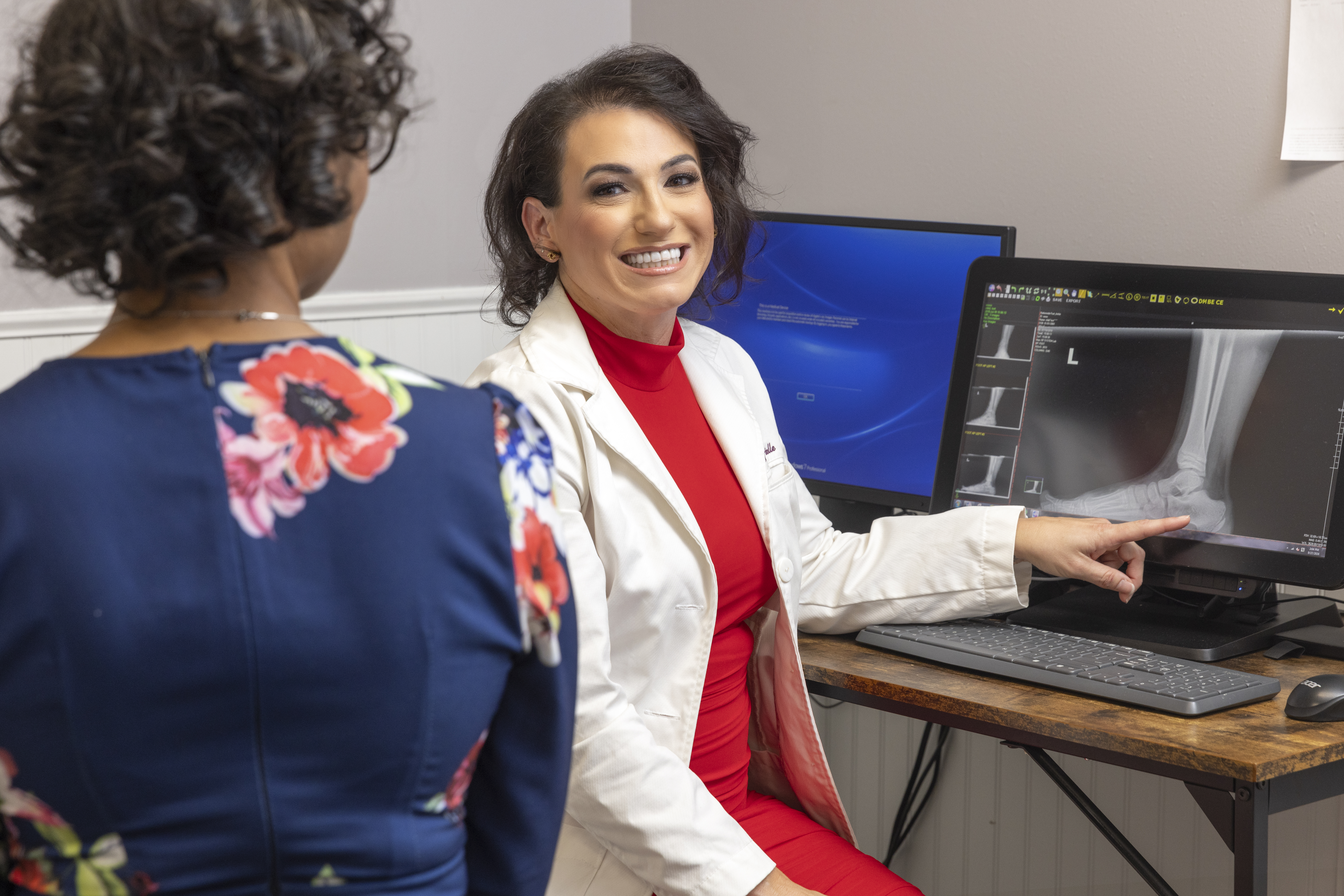

  • Understanding Diabetic Foot Care: Preventing Complications

    Understanding Diabetic Foot Care: Preventing Complications

    Comprehensive Foot Care for Diabetic Patients at Nationwide Foot & Ankle Care, P.C.

    Diabetes is a chronic condition that affects millions of people worldwide, and one of its most common complications is poor foot health. Diabetic foot care is essential to prevent serious issues such as foot ulcers, infections, and even amputations. With proper care, individuals with diabetes can significantly reduce the risk of foot complications and maintain mobility. At Nationwide Foot & Ankle Care, P.C., we specialize in foot care for diabetes, providing comprehensive treatments and preventive measures to help you protect your feet and overall health.

    In this article, we’ll discuss the importance of diabetic foot care, how to prevent complications, and the best practices for managing your foot health as a diabetic.

    diabetic foot care michigan

    Why Foot Care is Crucial for Diabetic Patients

    Diabetes affects the body’s ability to regulate blood sugar, leading to complications that can damage nerves and blood vessels, particularly in the extremities like the feet. Neuropathy, or nerve damage, is one of the most common issues that can arise in diabetic patients. It results in reduced sensation, making it difficult for individuals to notice cuts, blisters, or sores on their feet. Poor circulation, another common complication of diabetes, can delay the healing process and increase the risk of infections.

    Without proper care, small foot injuries can escalate into serious conditions, leading to ulcers, infections, and even amputations. According to the American Diabetes Association, diabetic foot ulcers are a leading cause of hospitalization for diabetic patients.

    Common Foot Problems in Diabetic Patients

    Several foot problems are more common in individuals with diabetes, including:

    • Diabetic Foot Ulcers: Sores or wounds that develop on the feet, often due to poor circulation and neuropathy. If left untreated, these can lead to serious infections.
    • Infections: Reduced blood flow and nerve damage make it harder for the body to fight infections, making diabetic patients more prone to foot infections.
    • Neuropathy: Nerve damage that leads to a loss of sensation in the feet, which can result in unnoticed injuries or wounds.
    • Poor Circulation: Diabetes can damage blood vessels, impairing circulation in the feet and making it difficult for the body to deliver oxygen and nutrients to the tissues, slowing down the healing process.
    • Deformities: Diabetes can cause changes in foot structure, such as hammertoes or bunions, making it harder to wear certain shoes or causing foot pain.


    Preventing Diabetic Foot Complications

    While foot complications are common in diabetics, the good news is that they can often be prevented with proper foot care and regular monitoring. Here are some key steps to help you manage your foot health and reduce the risk of diabetic foot issues:

    Perform Daily Foot Inspections

    Check your feet every day for cuts, blisters, redness, swelling, or any signs of injury. Since diabetic neuropathy can reduce sensation in the feet, you may not notice these issues on your own. A thorough inspection ensures that any problems are detected early before they worsen.

    • Tip: Use a mirror or ask someone to help you inspect the bottoms of your feet, especially if you have difficulty reaching them.

    Keep Your Feet Clean and Dry

    Wash your feet daily with lukewarm water and mild soap, making sure to dry them thoroughly, especially between the toes. Moisture trapped between the toes can lead to fungal infections such as athlete’s foot.

    • Tip: Apply a moisturizer to prevent dry skin, but avoid putting lotion between your toes, as this can encourage fungal growth.

    Wear Proper Footwear

    Wearing shoes that fit properly is one of the most important aspects of diabetic foot care. Improper footwear can lead to blisters, corns, and calluses, which can develop into ulcers if left untreated. Choose shoes that provide cushioning, support, and enough space for your toes.

    • Tip: Avoid shoes with tight seams or pointed toes. Opt for shoes that have a soft, breathable material and a wide toe box to avoid pressure on your feet.
    • Custom Orthotics: In some cases, custom-made orthotics can help improve the alignment of your feet and provide additional support.

    Trim Your Toenails Carefully

    Diabetic patients are at risk of developing ingrown toenails or fungal infections. To avoid complications, trim your toenails straight across and avoid cutting them too short.

    • Tip: If you have difficulty trimming your nails or if you notice thickened nails, consult a podiatrist for proper care.

    Control Blood Sugar Levels

    Maintaining your blood sugar levels within the target range is critical for preventing complications. High blood sugar can damage nerves and blood vessels, leading to foot problems such as neuropathy, poor circulation, and delayed wound healing.

    • Tip: Work with your healthcare provider to monitor your blood sugar levels and adjust your diet, exercise, and medication as needed.

    Get Regular Foot Exams

    Regular foot exams by a podiatrist are essential for diabetic patients to catch any issues early. A professional exam can identify problems such as infections, ulcers, or circulation issues that may not be immediately visible.

    • Tip: Schedule an annual foot exam, or more often if you have any existing foot problems, to ensure your feet are in good condition.

    Avoid Walking Barefoot

    Walking barefoot increases your risk of cuts, scrapes, or injuries that could go unnoticed and lead to infections. Always wear shoes, even indoors, to protect your feet from potential hazards.

    Treatment Options for Diabetic Foot Problems

    If you experience any symptoms of foot problems, it’s important to consult a podiatrist for prompt treatment. Treatment options for diabetic foot problems include:

    • Wound Care: Proper care and dressings for ulcers or sores to promote healing and prevent infection.
    • Antibiotics: For infections, oral or topical antibiotics may be prescribed to fight bacterial infections.
    • Custom Orthotics: Custom shoe inserts can provide relief from pain and improve alignment, reducing the risk of further injury.
    • Surgical Intervention: In some cases, surgical procedures may be necessary to treat deformities, ulcers, or infections that don’t respond to other treatments.
    diabetic foot health

    Why Choose Nationwide Foot & Ankle Care, P.C. for Foot Pain Relief?

    • Experienced Podiatrists: Our team of podiatrists is experienced in diagnosing and treating foot pain and injuries in athletes and active individuals.
    • Comprehensive Foot Care: We offer a full range of treatments, from conservative therapies like physical therapy and orthotics to advanced procedures.
    • Personalized Care: Every treatment plan is customized to your specific needs, ensuring the best possible outcome.
    • State-of-the-Art Technology: We use the latest diagnostic tools and treatments to provide the most effective care for foot pain relief.

    Contact Us for Foot Pain Relief

    If you’re experiencing foot pain or want to prevent injuries, Nationwide Foot & Ankle Care, P.C. is here to help. Schedule an appointment with one of our experienced podiatrists to get the care you need to stay active and pain-free.

    Call us at (734) 261-3400

    Request an appointment online: Request Appointment

  • Understanding Morton’s Neuroma: Symptoms, Causes, and Treatment Options

    livonia, mi foot pain

    Effective Treatment for Morton’s Neuroma at Nationwide Foot & Ankle Care, P.C.

    Morton’s neuroma is a painful condition that affects the ball of your foot, often between the third and fourth toes. It occurs when the tissue around one of the nerves leading to the toes thickens, causing pain, discomfort, and other symptoms. Although the condition is common, many people are unaware of what it is, how it develops, and how it can be treated. At Nationwide Foot & Ankle Care, P.C., our expert podiatrists specialize in diagnosing and treating Morton’s neuroma with effective, non-surgical solutions to help alleviate pain and improve your foot health.

    In this article, we’ll explore the symptoms, causes, and treatment options available for Morton’s neuroma to help you better understand this condition and find relief.

    What is Morton’s Neuroma?

    Morton’s neuroma is a condition that affects the nerves in the foot, leading to inflammation and the thickening of the tissue surrounding the affected nerve. The condition most commonly occurs between the third and fourth toes, but it can also develop between other toes. The thickened tissue can compress the nerve, causing pain, tingling, burning, and a sensation of something being stuck under the foot.

    While Morton’s neuroma is not a tumor or cancerous, it can cause significant discomfort and interfere with daily activities. If left untreated, the symptoms may worsen and lead to chronic pain.

    Symptoms of Morton’s Neuroma

    The symptoms of Morton’s neuroma can vary in intensity, but common signs include:

    • Pain in the Ball of the Foot: The most common symptom is pain in the ball of the foot, particularly between the third and fourth toes. The pain may be sharp, burning, or aching.
    • Tingling or Numbness: Some individuals with Morton’s neuroma experience tingling, numbness, or a “pins and needles” sensation in the toes.
    • Sensation of Something Stuck: You may feel like there’s a pebble or small object stuck in your shoe under the affected area, especially when walking.
    • Pain that Worsens with Activity: The pain may intensify when walking, running, or standing for long periods of time, especially if you’re wearing tight or ill-fitting shoes.
    • Relief with Rest: The pain often subsides when you rest or remove pressure from the affected foot, but it can return when you resume activities.

    If you’re experiencing any of these symptoms, it’s important to seek professional care from a podiatrist to determine if Morton’s neuroma is the cause.

    Morton's Neuroma Michigan

    Causes of Morton’s Neuroma


    The exact cause of Morton’s neuroma is not always clear, but several factors can increase the likelihood of developing this condition:

    Gender: Women are more likely to develop Morton’s neuroma due to the frequent use of high-heeled shoes, which place extra pressure on the toes and forefoot.

    Tight or Ill-Fitting Shoes: Shoes with a narrow toe box, high heels, or insufficient arch support can put pressure on the nerves in the foot, leading to the development of Morton’s neuroma.

    Foot Abnormalities: Certain foot structures, such as flat feet, high arches, or bunions, can cause abnormal pressure on the foot, contributing to the development of Morton’s neuroma.

    Repetitive Stress or Injury: Activities that involve repetitive stress on the foot, such as running or high-impact sports, can increase the risk of developing Morton’s neuroma. This is especially true if the foot is exposed to uneven surfaces or excessive pressure during activity.

    Foot Deformities: Conditions like hammertoes and bunion deformities can cause misalignment in the toes, increasing the likelihood of nerve compression and the development of Morton’s neuroma.

    Podiatrist morton's neuroma

    Treatment Options for Morton’s Neuroma


    While Morton’s neuroma can be a painful condition, several treatment options can provide relief. The appropriate treatment will depend on the severity of your symptoms and the underlying cause of your condition. At Nationwide Foot & Ankle Care, P.C., our podiatrists offer both conservative and surgical options for treating Morton’s neuroma.

    1. Conservative Treatments

    In the early stages of Morton’s neuroma, non-surgical treatments are often effective at relieving pain and preventing the condition from worsening. Common conservative treatments include:

    • Proper Footwear: Switching to shoes with a wider toe box, lower heels, and better arch support can help reduce pressure on the affected area and alleviate pain. Orthotic insoles may also be recommended to provide additional support.
    • Rest and Activity Modification: Resting the foot and avoiding activities that exacerbate the pain, such as running or prolonged standing, can give the nerve time to heal.
    • Ice Therapy: Applying ice to the affected area for 15-20 minutes several times a day can help reduce inflammation and relieve pain.
    • Corticosteroid Injections: For more severe pain, corticosteroid injections may be administered to reduce inflammation and provide temporary pain relief.
    • Physical Therapy: Stretching and strengthening exercises may be recommended to address any foot imbalances, improve mobility, and relieve pressure on the affected nerve.

    2. PRP (Platelet-Rich Plasma) Therapy

    Platelet-rich plasma (PRP) therapy is an advanced treatment option that involves injecting a concentrated solution of platelets from your own blood into the affected area. The growth factors in the PRP help stimulate tissue regeneration and accelerate healing, offering pain relief for those with Morton’s neuroma.

    • Benefits: PRP therapy can help reduce inflammation, promote healing of the nerve tissue, and alleviate pain.

    3. Surgery

    If conservative treatments fail to provide relief, surgery may be necessary to remove the thickened tissue around the nerve. Surgical options include:

    • Neurectomy: This procedure involves removing the affected nerve and any surrounding tissue. While it is typically effective in providing long-term relief, surgery is usually considered a last resort.
    • Decompression Surgery: In some cases, the podiatrist may perform a decompression procedure to relieve pressure on the nerve without removing it.

    Surgical intervention is typically reserved for patients with chronic symptoms that do not respond to conservative treatments.

    When to See a Podiatrist for Morton’s Neuroma

    If you’re experiencing persistent pain, discomfort, or other symptoms associated with Morton’s neuroma, it’s important to seek professional care. Early diagnosis and treatment can help prevent the condition from worsening and improve your long-term foot health.

    You should schedule an appointment with a podiatrist if:

    You experience numbness, tingling, or persistent discomfort in the toes.

    The pain is severe and interferes with your daily activities.

    The symptoms don’t improve with rest, changes in footwear, or other home treatments.


    Why Choose Nationwide Foot & Ankle Care, P.C. for Morton’s Neuroma Treatment?

    At Nationwide Foot & Ankle Care, P.C., our podiatrists are dedicated to providing expert care for Morton’s neuroma and other foot conditions. We offer a range of treatment options tailored to your needs, from conservative therapies to surgical solutions. Our goal is to help you find lasting relief and return to pain-free living.

    Why Choose Us?

    • Expert Podiatrists: Our podiatrists specialize in diagnosing and treating Morton’s neuroma with the latest techniques and therapies.
    • Comprehensive Foot and Ankle Care: We provide a wide range of services, from non-invasive treatments like orthotics to advanced procedures like PRP therapy and surgery.
    • Personalized Care: Each treatment plan is customized to meet your individual needs, ensuring the best possible outcome.
    • State-of-the-Art Technology: We use the latest diagnostic tools and treatment options to provide the most effective care.

    Contact Us for Morton’s Neuroma Treatment

    If you’re suffering from Morton’s neuroma, don’t wait to seek treatment. Nationwide Foot & Ankle Care, P.C. offers effective solutions to help you manage pain and promote healing. Schedule an appointment today with one of our experienced podiatrists to discuss treatment options.

    Call us at (734) 261-3400

    Request an appointment online: Request Appointment


  • Foot Pain and Poor Posture: How They’re Connected and What to Do

    livonia, mi foot pain


    Understanding the Link Between Foot Pain and Posture

    Foot pain is a common issue that affects many people at some point in their lives. While most people associate foot pain with obvious causes such as injury, excessive activity, or wearing uncomfortable shoes, the connection between foot pain and poor posture is often overlooked. Poor posture can significantly affect how we walk, stand, and carry our bodies, putting excess strain on our feet, leading to pain, discomfort, and long-term damage.

    At Nationwide Foot & Ankle Care, P.C., we help patients understand the relationship between foot pain and posture and provide effective treatments to correct these issues. In this article, we’ll explore how poor posture can lead to foot pain, the symptoms to look out for, and how podiatrists can help.

    How Posture Affects Foot Health

    Posture refers to the way you position your body when sitting, standing, or moving. Proper posture involves aligning your spine, hips, knees, and feet in a way that maintains balance and reduces strain on your joints and muscles. However, poor posture – such as slouching, leaning forward, or uneven weight distribution – can throw off your body’s alignment and lead to various musculoskeletal problems, including foot pain.

    Here are some ways poor posture can negatively impact your feet:

    Overuse Injuries: When your posture misaligns your body, the extra stress on your feet can lead to overuse injuries like plantar fasciitis, Achilles tendonitis, and shin splints. These conditions are common in people with poor posture because they involve repetitive strain on the feet and lower limbs.

    Uneven Weight Distribution: When your posture is poor, such as having a hunched back or forward-leaning posture, the body compensates by distributing weight unevenly across the feet. This can cause certain areas of the foot, such as the heels, arches, and forefoot, to bear more pressure than they should, leading to pain and discomfort.

    Altered Gait: Poor posture can also change the way you walk. For example, if your pelvis is tilted due to bad posture, it can cause your feet to pronate (roll inward) or supinate (roll outward) excessively, resulting in strain on the muscles and ligaments in the feet.

    Foot Health Livonia MI

    Common Foot Conditions Caused by Poor Posture

    Several foot conditions can be triggered or exacerbated by poor posture. These include:


    Plantar Fasciitis

    Plantar fasciitis is one of the most common causes of heel pain, and it often results from prolonged stress and strain on the plantar fascia ligament. Poor posture can alter the way you distribute your weight when walking, leading to excessive tension on the ligament, which can cause inflammation and pain in the heel.

    Flat Feet

    Flat feet, or fallen arches, occur when the arch of the foot collapses, causing the foot to make full contact with the ground. Poor posture, such as leaning too far forward or backward, can contribute to the development of flat feet by altering your body’s alignment and placing added stress on the arches.

    Bunions

    Bunions are painful, bony protrusions that develop at the base of the big toe, often due to abnormal foot mechanics. Postural imbalances can exacerbate the development of bunions by causing misalignment in the feet and increasing pressure on the toes.

    Achilles Tendonitis

    Achilles tendonitis is an overuse injury caused by inflammation of the Achilles tendon, the band of tissue connecting the calf muscle to the heel. Poor posture can contribute to improper foot mechanics and place excessive stress on the Achilles tendon, leading to pain and swelling.

    Hammer Toes

    Hammer toes occur when the middle joint of a toe becomes bent, causing it to curl downward. This condition can be caused or worsened by poor posture that forces the toes into an unnatural position, leading to friction, pain, and deformity.

    How Podiatrists Can Help Correct Foot Pain Caused by Poor Posture


    If poor posture is contributing to your foot pain, a podiatrist can help assess your posture and foot mechanics, diagnose underlying issues, and create a treatment plan to relieve pain and restore proper function. Some treatment options include:


    1. Foot and Ankle Assessments

    A podiatrist will begin by performing a comprehensive foot and ankle assessment to evaluate your posture, gait, and alignment. This may involve observing the way you walk, checking for signs of misalignment or abnormal foot mechanics, and conducting tests to assess your range of motion and strength.

    2. Custom Orthotics

    One of the most effective treatments for correcting foot pain caused by poor posture is the use of custom orthotics. These are specially designed shoe inserts that provide support and cushioning, helping to correct misalignment in the feet and improve posture. Orthotics can help redistribute weight evenly across the feet, reducing stress on specific areas and promoting better posture.

    3. Posture Correction and Physical Therapy

    Podiatrists often work with physical therapists to provide a holistic approach to correcting poor posture. Physical therapy exercises can help strengthen the muscles that support proper posture, improve flexibility, and teach you how to move and sit in a way that promotes better body alignment. Over time, this can help alleviate foot pain caused by poor posture.

    4. Stretching and Strengthening Exercises

    Certain stretching and strengthening exercises can help address postural imbalances and reduce foot pain. For example, exercises to strengthen the muscles of the lower legs and feet, such as toe raises, calf stretches, and balance exercises, can improve posture and relieve pain caused by muscle imbalances.

    5. Footwear Recommendations

    Proper footwear plays a crucial role in maintaining good posture and foot health. A podiatrist can recommend shoes that provide the right support for your unique foot structure and promote better alignment. They may also suggest footwear modifications or orthotic inserts to help you maintain proper posture and reduce foot pain.


    Why Choose Nationwide Foot & Ankle Care, P.C.

    At Nationwide Foot & Ankle Care, P.C., we specialize in diagnosing and treating foot pain caused by poor posture. Our expert podiatrists work with you to create a personalized treatment plan that addresses the underlying causes of your foot pain, whether it’s due to poor posture, injury, or other conditions. We use the latest techniques and technology to provide effective, non-invasive treatments that promote healing, restore function, and alleviate pain.

    Contact Us for Foot Pain Relief

    If you’re struggling with foot pain related to poor posture, don’t wait to seek help. Our team of experienced podiatrists is here to help you regain comfort and mobility. Schedule an appointment with us today and take the first step toward pain-free feet.

    Call us at (734) 261-3400

    Request an appointment online: Request Appointment


  • What is Shockwave Therapy and How Can It Treat Foot Pain?


    An Innovative Treatment for Chronic Foot Pain

    Chronic foot pain can be debilitating, making everyday activities like walking, running, or even standing difficult. Conditions such as plantar fasciitis, Achilles tendonitis, and heel spurs can cause persistent discomfort, and traditional treatments like rest, ice, and over-the-counter medications may not always provide lasting relief. Fortunately, shockwave therapy has emerged as a highly effective, non-invasive solution for treating foot pain and promoting healing.

    At Nationwide Foot & Ankle Care, P.C., we offer shockwave therapy to help our patients alleviate chronic foot pain and restore their quality of life. In this article, we’ll explore what shockwave therapy is, how it works, and how it can be used to treat common foot conditions like plantar fasciitis.


    What is Shockwave Therapy?

    Shockwave therapy, also known as extracorporeal shock wave therapy (ESWT), is a non-invasive treatment that uses high-energy sound waves to stimulate healing in damaged tissues. The therapy works by delivering acoustic waves to the affected area, which helps to promote circulation, reduce inflammation, and accelerate the body’s natural healing processes. This treatment is particularly effective for musculoskeletal conditions that involve soft tissue, such as tendonitis, fasciitis, and chronic pain in areas like the foot and ankle.

    Shockwave therapy has been used for decades in sports medicine and orthopedics to treat conditions in the joints, muscles, and tendons. Recently, its application has expanded to include the treatment of chronic foot pain, where it has shown to be highly effective.

    Foot Health Livonia MI


    How Does Shockwave Therapy Work?

    Shockwave therapy works by transmitting high-energy sound waves to the targeted area of pain. These waves penetrate the skin and reach the damaged tissue, stimulating the body’s natural healing mechanisms.


    Shockwave Therapy Treatments

    • Improved blood flow: The acoustic waves stimulate blood circulation in the affected area, which promotes faster healing.
    • Collagen production: Shockwave therapy encourages the production of collagen, a protein that is essential for tissue repair and regeneration.
    • Reduced inflammation: The therapy helps to reduce swelling and inflammation, which are common in conditions like plantar fasciitis and Achilles tendonitis.
    • Pain relief: By stimulating the tissue and accelerating the healing process, shockwave therapy can provide significant pain relief for patients suffering from chronic conditions.


    Benefits of Shockwave Therapy for Foot Pain

    Shockwave therapy is a promising treatment option for individuals dealing with persistent foot pain. Here are the key benefits of shockwave therapy


    Shockwave Therapy Benefits

    • Non-invasive: Unlike surgery, shockwave therapy requires no incisions or anesthesia, making it a safe and minimally invasive option for treating foot pain.
    • Quick recovery: Since shockwave therapy is non-surgical, recovery times are typically quick, and patients can resume normal activities shortly after treatment.
    • Minimal side effects: Most patients experience only mild discomfort during the procedure, and side effects are rare.
    • Effective for chronic conditions: Shockwave therapy is particularly effective for chronic conditions that haven’t responded to traditional treatments like rest, medication, or physical therapy.
    • No downtime: Most patients can return to their daily activities immediately after the treatment.


    Conditions Treated with Shockwave Therapy

    Shockwave therapy is particularly effective for treating chronic foot and ankle conditions that involve soft tissue damage. Here are some of the most common conditions treated with shockwave therapy


    Plantar Fasciitis

    Plantar fasciitis is one of the most common causes of heel pain. It occurs when the plantar fascia, a thick band of tissue that runs along the bottom of the foot, becomes inflamed due to overuse or strain. Shockwave therapy helps to break down scar tissue, stimulate healing, and reduce inflammation in the plantar fascia, providing relief from the pain.


    Shockwave therapy for Plantar Fasciitis

    • Symptoms: Sharp, stabbing pain in the bottom of the heel, especially in the morning or after periods of rest.
    • Shockwave Therapy Benefits: Reduces inflammation, promotes tissue healing, and accelerates recovery.


    Achilles Tendonitis

    Achilles tendonitis is an overuse injury that causes inflammation of the Achilles tendon, located at the back of the ankle. This condition can result in pain, swelling, and difficulty walking. Shockwave therapy can help alleviate pain, stimulate collagen production, and promote healing in the Achilles tendon.


    Tips for Managing Achiles Tendonis

    • Symptoms: Pain, swelling, and stiffness in the back of the ankle, especially during or after physical activity.
    • Shockwave Therapy Benefits: Reduces pain and inflammation, accelerates healing, and improves tendon strength.


    Heel Spurs

    Heel spurs are bony growths that form on the heel bone, often as a result of long-term stress or inflammation in the plantar fascia. Shockwave therapy can help reduce the pain associated with heel spurs by promoting healing and reducing inflammation.


    Shockwave Therapy for Heel Spurs

    • Symptoms: Sharp pain in the heel, especially when walking or standing for long periods.
    • Shockwave Therapy Benefits: Reduces inflammation around the heel spur and promotes healing of surrounding tissue.


    Tendonitis (Peroneal, Tibial, and Flexor Tendonitis)

    Tendonitis in the foot and ankle can result from overuse or trauma to the tendons, causing pain and swelling. Shockwave therapy is effective for treating tendonitis in various tendons, including the peroneal tendon, tibial tendon, and flexor tendon, by reducing inflammation and promoting tissue regeneration.


    Shockwave Therapy for Tendonitis

    • Symptoms: Pain, swelling, and weakness in the affected tendon.
    • Shockwave Therapy Benefits: Reduces inflammation, accelerates healing, and improves tendon function.


    Morton’s Neuroma

    Morton’s neuroma is a benign growth of nerve tissue that causes pain and discomfort in the ball of the foot. Shockwave therapy can help reduce the pain and inflammation associated with Morton’s neuroma, providing relief for patients who have not responded to other treatments.


    Shockwave Therapy for Morton’s Neuroma

    • Symptoms: Sharp, burning pain in the ball of the foot, often between the toes.
    • Shockwave Therapy Benefits: Reduces nerve inflammation and promotes healing.


    What to Expect During a Shockwave Therapy Session

    Shockwave therapy is typically performed in-office and does not require anesthesia. Here’s what to expect during a typical session:


    Consultation and Evaluation

    Before your treatment, your podiatrist will evaluate your foot condition, conduct a physical exam, and may take diagnostic images (X-rays or MRI) to determine the exact location of the injury.


    Shockwave Therapy Procedure

    During the treatment, a gel is applied to the affected area of the foot or ankle. The shockwave device is then used to deliver high-energy sound waves to the target area. The treatment typically lasts 10 to 15 minutes, and you may feel some discomfort during the procedure, but it’s generally well tolerated.


    Aftercare

    There is no downtime required after shockwave therapy, and most patients can return to their regular activities immediately. Mild soreness may occur after the treatment, but this typically subsides within a few days. Your podiatrist may recommend follow-up treatments or physical therapy to enhance healing.

    Stretch and Strengthen Your Feet and Legs

    Incorporating foot stretches and strengthening exercises into your daily routine can help alleviate tension, improve circulation, and reduce the risk of foot problems. Simple stretches like toe curls, calf stretches, and ankle circles can help keep your feet flexible and strong.

    Don’t Ignore Foot Pain

    If you’re experiencing persistent or severe foot pain during pregnancy, consult with a podiatrist. Ignoring foot problems can lead to long-term discomfort or complications, so it’s important to seek professional advice and treatment when needed.

    Why Choose Nationwide Foot ad Ankle Care

    • Experienced Podiatrists: Our podiatrists are highly skilled in administering shockwave therapy for effective pain relief and tissue healing.
    • Comprehensive Care: We offer a wide range of treatments for foot and ankle conditions, from conservative therapies to advanced surgical options.
    • State-of-the-Art Technology: We use the latest shockwave therapy equipment to ensure optimal treatment outcomes.
    • Personalized Treatment Plans: We provide individualized treatment plans tailored to your specific condition and needs.

    A podiatrist can assess your foot health and provide treatment options to relieve pain and prevent further complications. At Nationwide Foot & Ankle Care, P.C., our team is dedicated to helping expectant mothers maintain foot health and comfort throughout pregnancy.


    Contact Us for Shockwave Therapy Treatment

    If you’re suffering from chronic foot pain and are interested in learning more about shockwave therapy, Nationwide Foot & Ankle Care, P.C. is here to help. Contact us today to schedule a consultation and discover how shockwave therapy can help alleviate your pain and promote healing.

    Call us at (734) 261-3400

    Request an appointment online: Request Appointment


  • Caring for Your Feet During Pregnancy: What to Watch Out For

    Pregnancy is a wonderful and transformative experience, but it can also bring about several physical changes and discomforts. Expecting mothers often experience a range of foot problems, from swelling to arch pain, which can make it difficult to stay active and comfortable. As your body changes to accommodate your growing baby, it’s important to take special care of your feet to prevent discomfort and complications.


    At Nationwide Foot & Ankle Care, P.C., we understand the importance of maintaining foot health during pregnancy. In this article, we’ll discuss common foot problems that can arise during pregnancy and offer practical tips to help manage them, ensuring you stay comfortable and healthy.


    Common Foot Problems During Pregnancy


    Pregnancy brings with it a number of changes that can impact your feet. Here are some of the most common foot-related issues expectant mothers experience

    Foot Health Livonia MI

    Swollen Feet and Ankles (Edema)

    One of the most common foot problems during pregnancy is swelling, particularly in the feet and ankles. Known as edema, this occurs due to increased blood volume, hormonal changes, and the pressure of the growing uterus on blood vessels. Swelling is often more pronounced later in the day or after prolonged standing or sitting.


    Tips for Managing Swollen Feet

    • Elevate your feet: Whenever possible, sit with your feet elevated to help reduce swelling and encourage circulation.
    • Wear comfortable shoes: Opt for shoes with a wider toe box, and avoid high heels to reduce pressure on your feet.
    • Stay hydrated: Drinking plenty of water helps reduce water retention and keeps you hydrated.
    • Avoid prolonged standing: Take breaks to rest and move around to promote circulation.
    • Compression socks: Wearing compression socks can help alleviate swelling and improve blood flow.

    Arch Pain (Plantar Fasciitis)

    As pregnancy progresses, the extra weight and changes in posture can place added strain on the arches of your feet, leading to arch pain or plantar fasciitis. This condition occurs when the ligament that runs along the bottom of the foot becomes inflamed due to excessive stress. Expecting mothers with flat feet or high arches are at higher risk of developing this condition.


    Tips for Preventing and Managing Arch Pain

    • Wear supportive shoes: Choose shoes with proper arch support to help distribute weight evenly across the feet.
    • Use orthotics: Custom or over-the-counter insoles can provide additional support and cushioning for your feet.
    • Stretch your calves and feet: Stretching exercises can help relieve tension and reduce discomfort.
    • Rest and ice: Resting your feet and applying ice to the painful areas can help reduce inflammation.


    Heel Pain

    As your pregnancy progresses, the extra weight you carry may cause added pressure on your heels, leading to heel pain. This discomfort can be exacerbated by wearing improper footwear or standing for long periods.


    Tips for Managing Heel Pain

    • Choose cushioned footwear: Look for shoes with extra padding or orthotic insoles that can absorb shock and reduce pressure on the heels.
    • Avoid standing for long periods: Take frequent breaks to sit and elevate your feet.
    • Stretch your calves: Stretching your calf muscles can help relieve pressure on the heels and alleviate pain.


    Bunions

    Bunions, or the protrusion of the big toe joint, can worsen during pregnancy due to the increased weight and changes in foot structure. The hormone relaxin, which loosens ligaments in preparation for childbirth, can also contribute to the development or worsening of bunions, as the feet may spread out and become misaligned.


    Tips for Managing Bunions

    • Choose wide-toed shoes: Opt for shoes with a wide toe box to reduce pressure on the bunion.
    • Use bunion pads: Bunion pads or cushions can help relieve pressure and prevent rubbing.
    • Ice and elevate: Apply ice to the bunion area and elevate your feet to reduce swelling and inflammation.


    Varicose Veins

    The extra pressure on your legs from the growing uterus, combined with hormonal changes, can lead to varicose veins. These swollen veins, often seen in the legs and feet, can cause discomfort, heaviness, and pain.


    Tips for Managing Varicose Veins

    • Elevate your legs: Rest with your legs elevated to help reduce pressure and improve blood flow.
    • Wear compression stockings: Compression stockings can help improve circulation and reduce the appearance of varicose veins.
    • Exercise regularly: Gentle exercises like walking can help improve circulation and prevent varicose veins from worsening.

    Foot Care Tips for Expectant Mothers

    Caring for your feet during pregnancy is essential for reducing discomfort and promoting overall foot health. Here are some general tips to keep in mind:

    Stay Active, But Rest When Needed

    Maintaining an active lifestyle during pregnancy is important, but it’s equally essential to listen to your body. Avoid overexertion and take breaks when necessary to rest your feet and reduce swelling.

    Wear Comfortable, Supportive Footwear

    Proper footwear is key to managing foot pain and preventing injury during pregnancy. Look for shoes with:

    • Arch support: Helps distribute weight and relieve pressure on the feet.
    • Cushioning: Soft, shock-absorbing soles can provide added comfort.
    • Wide toe box: Avoid tight shoes to prevent bunions and other foot issues.

    Stay Hydrated and Eat a Balanced Diet

    Drinking plenty of water and eating a well-balanced diet can help manage swelling and maintain overall foot health. Avoid excessive salt intake, as it can contribute to water retention.

    Stretch and Strengthen Your Feet and Legs

    Incorporating foot stretches and strengthening exercises into your daily routine can help alleviate tension, improve circulation, and reduce the risk of foot problems. Simple stretches like toe curls, calf stretches, and ankle circles can help keep your feet flexible and strong.

    Don’t Ignore Foot Pain

    If you’re experiencing persistent or severe foot pain during pregnancy, consult with a podiatrist. Ignoring foot problems can lead to long-term discomfort or complications, so it’s important to seek professional advice and treatment when needed.

    When to See a Podiatrist During Pregnancy

    While many foot problems during pregnancy are temporary and can be managed with self-care, it’s important to seek professional help if:

    • Foot pain becomes severe or persistent.
    • Swelling doesn’t improve with elevation or rest.
    • You notice sudden, painful varicose veins or other unusual symptoms.
    • Your feet are affecting your ability to walk or engage in normal activities.

    A podiatrist can assess your foot health and provide treatment options to relieve pain and prevent further complications. At Nationwide Foot & Ankle Care, P.C., our team is dedicated to helping expectant mothers maintain foot health and comfort throughout pregnancy.

    Foot Care During Pregnancy is Essential for Your Comfort

    Pregnancy is an exciting time, but it can bring about physical challenges, especially when it comes to your feet. By staying proactive with your foot care, wearing supportive footwear, and managing common pregnancy-related foot problems like swelling, arch pain, and bunions, you can improve your comfort and enjoy your pregnancy to the fullest.

    At Nationwide Foot & Ankle Care, P.C., we are here to help you with all your foot care needs during pregnancy. If you’re experiencing foot pain or discomfort, don’t hesitate to reach out to us for a consultation.

    Call us at (734) 261-3400

    Request an appointment online: Request Appointment


  • How to Manage and Prevent Athlete’s Foot: Causes, Treatment, and Prevention Tips

    Athlete’s foot is a common fungal infection that affects millions of people worldwide. The condition typically causes itching, burning, and scaling between the toes or on the soles of the feet. Although it’s often associated with athletes, athlete’s foot can affect anyone, especially those who wear tight-fitting shoes or spend time in damp, warm environments like public showers, swimming pools, or locker rooms.

    At Nationwide Foot & Ankle Care, P.C., we are committed to providing effective solutions for managing and preventing athlete’s foot. In this article, we’ll cover the causes of athlete’s foot, the best treatment options, and the steps you can take to prevent future outbreaks.

    Athletes foot livonia mi

    What Causes Athlete’s Foot?

    Athlete’s foot is caused by fungi—usually dermatophytes—that thrive in warm, moist environments. The fungi infect the outer layer of skin, causing irritation, redness, and scaling. Athlete’s foot is highly contagious and can spread through direct contact with infected surfaces or people.

    Common causes of athlete’s foot include:

    • Exposure to Fungal Spores: Fungi can thrive in moist, humid environments, such as locker rooms, swimming pools, and public showers. Walking barefoot in these areas increases the risk of infection.
    • Wearing Damp Shoes and Socks: Fungi grow best in warm, damp conditions. Wearing tight shoes or socks that don’t wick moisture away from the feet can create the perfect breeding ground for the fungus.
    • Poor Hygiene: Not washing the feet regularly or drying them thoroughly can contribute to fungal growth, especially between the toes.
    • Weakened Immune System: People with weakened immune systems, such as those with diabetes, are at a higher risk of developing fungal infections, including athlete’s foot.

    Symptoms of Athlete’s Foot

    The symptoms of athlete’s foot can vary from mild to severe and often affect the skin between the toes, on the soles of the feet, or around the toenails. Common symptoms include:

    • Itching: A persistent, intense itching sensation, especially between the toes or on the soles of the feet.
    • Redness and Inflammation: Skin between the toes may appear red, swollen, and irritated.
    • Scaling and Peeling: The affected area may have cracked, peeling skin or visible blisters.
    • Burning Sensation: A feeling of burning or stinging, particularly when walking or standing.
    • Odor: An unpleasant foot odor can develop as a result of the infection.

    If you notice these symptoms, it’s essential to treat athlete’s foot promptly to avoid it spreading to other parts of your feet or body.

    Treatment Options for Athlete’s Foot

    Athlete’s foot can usually be treated with over-the-counter (OTC) antifungal medications or prescription-strength treatments for more severe cases. Treatment options include:

    Over-the-Counter Antifungal Creams, Sprays, or Powders

    The most common treatment for athlete’s foot is antifungal creams, sprays, or powders, which can be found at most pharmacies. These medications contain ingredients such as clotrimazole, miconazole, or terbinafine, which kill the fungi causing the infection.

    How to Use: Apply the medication to the affected areas as directed, typically twice a day for at least 2-4 weeks, even if symptoms improve earlier.

    Tip: Be sure to keep the affected area dry and clean before applying the medication.

    Prescription Medications

    For more severe or persistent cases of athlete’s foot, a podiatrist may prescribe oral antifungal medications to treat the infection from within. Prescription options may include terbinafine or itraconazole, which target the fungal infection more effectively than over-the-counter treatments.

    How to Use: Follow your doctor’s instructions for dosage and duration of treatment.

    Soaking the Feet

    Soaking your feet in a vinegar solution (1 part vinegar to 4 parts water) or a saltwater solution can help soothe irritation and promote healing. This can be done for 10-15 minutes once or twice a day.

    Keeping Feet Dry and Clean

    Drying your feet thoroughly after washing them, especially between the toes, is crucial for healing. Use a clean towel to ensure the feet are completely dry before applying any antifungal treatment.

    How to Prevent Athlete’s Foot Recurrence

    Preventing athlete’s foot is much easier than treating it. By following a few simple steps, you can reduce your chances of getting the infection again:

    Wear Proper Footwear

    • Choose breathable shoes: Opt for shoes made of breathable materials like leather or mesh, which allow air to circulate and help keep your feet dry.
    • Avoid tight shoes: Tight shoes can trap moisture and create an environment conducive to fungal growth. Make sure your shoes are the right fit to allow your feet to breathe.
    • Change socks regularly: If your feet sweat a lot, change your socks at least once a day, or more if necessary, to keep them dry.

    Use Antifungal Powder or Spray

    To prevent fungal growth, consider using an antifungal powder or spray in your shoes and on your feet daily. This can help keep your feet dry and prevent the growth of fungus.

    Practice Good Foot Hygiene

    • Wash your feet daily: Use mild soap and water to wash your feet, especially between the toes, where moisture can accumulate.
    • Dry your feet thoroughly: Be sure to dry your feet completely after washing, paying particular attention to the areas between the toes.

    Wear Flip-Flops in Public Areas

    When walking in public spaces like swimming pools, gyms, or locker rooms, wear flip-flops or sandals to avoid direct contact with the floor, which may harbor fungal spores.

    Keep Toenails Trimmed and Clean

    Regularly trim your toenails to avoid fungal infections from taking hold in the nailbed. Keep your nails clean and avoid cutting them too short, which can lead to injury and provide an entry point for infection.

    Disinfect Shoes and Socks

    Regularly clean your shoes, socks, and other footwear items to prevent the spread of fungus. Wash socks in hot water, and disinfect shoes using antifungal sprays or powders.

    When to See a Podiatrist

    If you’ve been treating athlete’s foot with over-the-counter products and the infection persists or worsens, it may be time to see a podiatrist. You should also consult a podiatrist if you have diabetes or a compromised immune system, as athlete’s foot can lead to more serious complications in these cases. A podiatrist can provide stronger antifungal treatments and help prevent the infection from spreading or recurring.

    Effective Management and Prevention of Athlete’s Foot

    Athlete’s foot may seem like a minor issue, but if left untreated, it can lead to persistent foot problems and discomfort. By following a combination of treatment options and preventive measures, you can effectively manage and eliminate athlete’s foot and prevent it from returning.

    At Nationwide Foot & Ankle Care, P.C., our expert podiatrists are here to help with any foot conditions, including athlete’s foot. If you’re experiencing symptoms of athlete’s foot, or if you need help with treatment and prevention, don’t hesitate to contact us.

    Call us at (734) 261-3400

    Request an appointment online: Request Appointment


    Why Choose Nationwide Foot & Ankle Care, P.C.?

    • Experienced Podiatrists: Our podiatrists are highly skilled in diagnosing and treating athlete’s foot with effective, personalized treatment plans.
    • Comprehensive Foot Care: We offer a variety of treatment options to address athlete’s foot and other foot conditions.
    • State-of-the-Art Techniques: We utilize the latest technology to diagnose and treat foot infections effectively.
    • Convenient Locations: Serving patients in Livonia, MI, Royal Oak, MI, and surrounding areas.

    ← Back

    Thank you for your response. ✨

  • The Importance of Routine Foot Exams

    Routine Foot Exam Livonia Michigan

    Your feet are the foundation of your body, supporting you as you walk, run, and stand. Despite their importance, foot health is often overlooked until pain or discomfort arises. Routine foot exams are a key component of maintaining overall health, as they allow for the early detection and prevention of serious foot conditions. At Nationwide Foot & Ankle Care, P.C., we emphasize the importance of regular foot exams to catch potential issues before they lead to more severe problems like infections, ulcers, and deformities.

    In this article, we’ll discuss why routine foot exams are essential, the conditions that can be detected, and how early intervention can help you maintain healthy, pain-free feet for years to come.

    Why Are Routine Foot Exams Important?

    Feet are constantly exposed to pressure, friction, and wear-and-tear, which can lead to a variety of conditions. A routine foot exam is vital for identifying early signs of problems and preventing them from worsening. Regular exams also give you the opportunity to address any concerns with your podiatrist before they develop into more significant issues.

    Early Detection of Foot Infections

    Foot infections are common, especially for individuals with underlying health conditions like diabetes. Routine foot exams can detect early signs of infections, such as redness, swelling, warmth, or unusual changes in the skin. Infections that go untreated can lead to more severe complications, including ulcers or the spread of infection to other areas of the body.

    • Condition Detected: Fungal infections, bacterial infections, ingrown toenails
    • Importance of Early Detection: Preventing the infection from spreading or worsening, which could result in the need for antibiotics or surgical intervention.

    Preventing Diabetic Foot Complications

    For people with diabetes, routine foot exams are especially critical. Diabetes can affect circulation and nerve function, making it more difficult for individuals to feel pain, detect injuries, or notice changes in their feet. This can lead to unnoticed cuts or blisters that can develop into ulcers or more serious infections. Regular exams help identify these issues early and ensure that they are properly treated before complications arise.

    • Condition Detected: Diabetic foot ulcers, neuropathy, poor circulation
    • Importance of Early Detection: Prevents the need for more invasive treatments or amputations by managing foot health proactively.

    Detecting Foot Deformities Early

    Foot deformities, such as bunions, hammer toes, or flat feet, can often develop gradually and may not cause noticeable pain at first. However, as these conditions progress, they can lead to significant discomfort, pain, and difficulty walking. Routine foot exams help detect these deformities early, allowing your podiatrist to recommend non-surgical treatments, such as orthotics, to help prevent further issues.

    • Condition Detected: Bunions, hammertoes, flat feet, high arches
    • Importance of Early Detection: Early treatment can help prevent the need for surgery and minimize discomfort by providing support for the affected area.

    Preventing Plantar Warts and Corns

    Plantar warts and corns are often caused by pressure or friction on the feet, leading to thickened skin or viral growths. While these conditions are typically not serious, they can become painful and affect mobility if left untreated. Routine foot exams help detect plantar warts or corns early, allowing for appropriate treatment to prevent discomfort and further complications.

    • Condition Detected: Plantar warts, corns, calluses
    • Importance of Early Detection: Early treatment can prevent the conditions from worsening and causing painful side effects, such as infections or difficulty walking.

    Identifying Poor Circulation

    Poor circulation in the feet can lead to numbness, tingling, and an increased risk of foot injuries. Conditions like peripheral artery disease (PAD) can cause narrowing of the blood vessels, reducing blood flow to the feet. Routine foot exams can identify signs of poor circulation, enabling early treatment to prevent complications like ulcers, infections, or gangrene.

    • Condition Detected: Peripheral artery disease, poor circulation, neuropathy
    • Importance of Early Detection: By identifying poor circulation early, you can manage the condition with lifestyle changes, medication, and, in some cases, surgical intervention to improve blood flow.

    What Happens During a Routine Foot Exam?

    A routine foot exam typically involves the following steps:

    1. Assessment of Foot Health: The podiatrist will examine your feet for any visible signs of deformities, infections, cuts, blisters, or changes in skin or nails.

    2. Checking for Circulation and Nerve Function: The doctor will check the blood flow in your feet, monitor for signs of neuropathy, and assess how well your nerves are functioning by testing sensation.

    3. Reviewing Medical History: Your podiatrist will review your medical history to identify risk factors for foot conditions, such as diabetes or cardiovascular disease, that may require additional monitoring.

    4. Customized Treatment Plan: If any issues are detected, your podiatrist will discuss treatment options, whether they involve changes in footwear, physical therapy, or referrals to other specialists.

    5. Education: Your podiatrist will also educate you on proper foot care techniques, including nail trimming, skin care, and exercises to keep your feet healthy.

    When Should You Schedule a Foot Exam?

    Routine foot exams are recommended at least once a year for most individuals, but certain groups may need more frequent checkups:

    People with diabetes: Every 6-12 months, or more frequently if complications arise.

    People with a history of foot problems: If you’ve had previous foot surgeries, injuries, or conditions like bunions or flat feet, more frequent exams may be necessary.

    Older adults: Aging can lead to foot issues such as arthritis, poor circulation, and balance problems, so regular exams are essential.

    Athletes: Active individuals or those who engage in high-impact sports should have regular exams to prevent injuries.

    Early Detection is Key to Foot Health

    Routine foot exams play a vital role in maintaining foot health and preventing serious complications. By detecting issues like infections, ulcers, and deformities early, you can avoid pain, discomfort, and the need for more invasive treatments. At Nationwide Foot & Ankle Care, P.C., we prioritize the health and well-being of your feet, helping you stay mobile, comfortable, and active.

    Contact Us for Your Routine Foot Exam

    If it’s time for your routine foot exam, or if you have concerns about your foot health, contact Nationwide Foot & Ankle Care, P.C. today to schedule an appointment with one of our experienced podiatrists. Our team is here to help you maintain optimal foot health and prevent future complications.

    📞 Call us: 7342613400

    Why Choose Nationwide Foot & Ankle Care, P.C. for Foot Exams?

    • Experienced Podiatrists: Our team specializes in the diagnosis and treatment of a wide range of foot conditions.
    • Comprehensive Care: We provide a complete evaluation of your foot health, including circulation and nerve function.
    • Personalized Treatment Plans: Our podiatrists create individualized plans based on your unique foot health needs.
    • Convenient Locations: Serving patients in Livonia, MI, Royal Oak, MI, and surrounding areas.

    Get In Touch With Nationwide Foot and Ankle Care

    ← Back

    Thank you for your response. ✨