Tag: Foot Health

  • The Benefits of Shockwave Therapy for Foot and Ankle Pain Relief

    The Benefits of Shockwave Therapy for Foot and Ankle Pain Relief

    Shockwave Therapy Benefits for Feet and Ankles

    A Non-Surgical Solution for Chronic Foot Pain

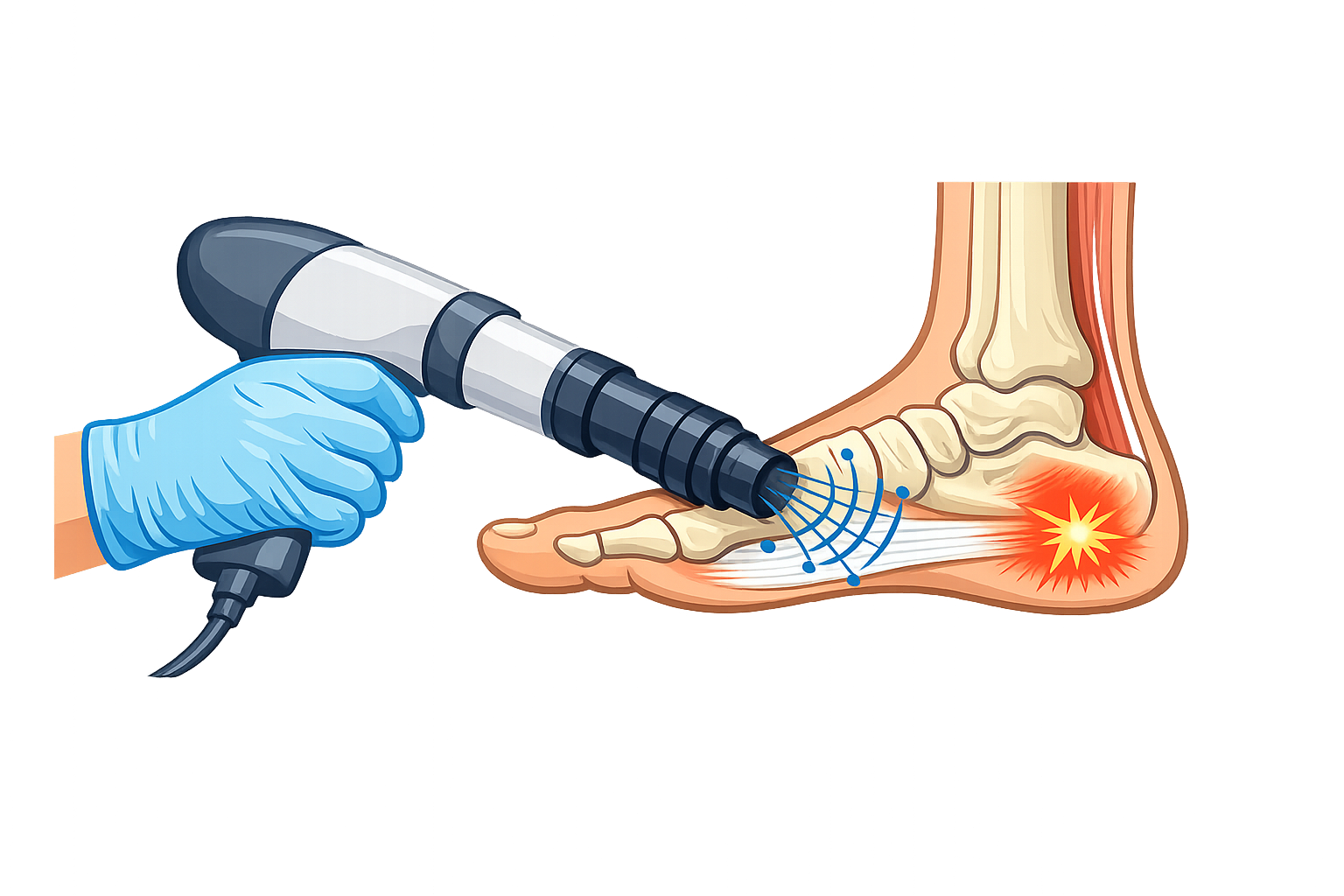
    shockwave therapy for feet and ankles

    Chronic foot and ankle pain can affect every part of your life โ€” from your ability to work and exercise to simply walking comfortably through your day. Whether youโ€™re an athlete, someone who stands for long hours, or dealing with ongoing heel pain, finding lasting relief can feel overwhelming.

    For many patients, shockwave therapy for foot pain offers a powerful, non-surgical solution that stimulates the bodyโ€™s natural healing process โ€” without injections, without incisions, and without long recovery times.

    At Nationwide Foot & Ankle Care, P.C., we provide advanced, evidence-based non-surgical foot treatments to help patients reduce pain, restore mobility, and avoid unnecessary surgery whenever possible.

    This in-depth guide explains how shockwave therapy works, who it helps, and why it has become one of the most effective modern treatments for chronic foot and ankle pain.


    What Is Shockwave Therapy?

    Shockwave therapy โ€” formally known as Extracorporeal Shockwave Therapy (ESWT) โ€” is a non-invasive treatment that uses controlled acoustic sound waves to stimulate healing in injured or chronically inflamed tissue.

    Unlike electrical stimulation or ultrasound therapy, shockwave therapy delivers high-energy pulses directly to the affected area. These pulses:

    • Increase blood circulation
    • Stimulate cellular repair
    • Trigger collagen production
    • Break down scar tissue
    • Activate the bodyโ€™s natural healing response

    The result is improved tissue regeneration and long-term pain relief.

    Shockwave therapy does not involve surgery, anesthesia, or incisions. Most treatments take 15โ€“20 minutes and are performed in the office.

    How Shockwave Therapy Helps Chronic Foot and Ankle Pain

    Chronic pain often develops when tissues fail to heal properly after repetitive strain, micro-tears, or inflammation. Over time, the bodyโ€™s natural repair process slows down.

    Shockwave therapy essentially โ€œrestartsโ€ healing.

    When acoustic waves penetrate the damaged tissue, they create controlled micro-trauma. This may sound counterintuitive โ€” but it stimulates:

    • New blood vessel formation (neovascularization)
    • Improved oxygen delivery
    • Growth factor release
    • Accelerated tissue remodeling

    This makes shockwave therapy benefits especially valuable for patients who have tried conservative treatments like rest, stretching, orthotics, and anti-inflammatory medication without success.


    Conditions Treated with Shockwave Therapy

    Shockwave therapy is highly effective for several chronic foot and ankle conditions.

    Plantar Fasciitis

    One of the most common uses is plantar fasciitis shockwave therapy.

    Plantar fasciitis occurs when the thick band of tissue along the bottom of the foot becomes inflamed or degenerative. Patients often experience:

    • Sharp heel pain first thing in the morning
    • Pain after long periods of standing
    • Tightness along the arch
    • Worsening discomfort with activity

    For chronic plantar fasciitis lasting more than 6 months, shockwave therapy has shown high success rates โ€” especially when combined with stretching and supportive footwear.

    Achilles Tendonitis

    Chronic Achilles pain often develops in runners, athletes, or individuals with tight calf muscles. Shockwave therapy improves tendon healing by stimulating collagen production and reducing chronic inflammation.

    Heel Spurs

    Although heel spurs themselves are not always painful, inflammation in the surrounding tissue can cause persistent discomfort. Shockwave therapy helps address the underlying inflammation rather than just masking symptoms.

    Posterior Tibial Tendon Dysfunction (PTTD)

    This condition affects the inside of the ankle and can lead to progressive flatfoot deformity. Early intervention with non-surgical foot treatments like shockwave therapy may prevent worsening symptoms.

    Chronic Ankle Tendinopathies

    Athletes and active individuals frequently develop overuse injuries in the ankle. Shockwave therapy can accelerate recovery and reduce downtime.

    nationwide foot and ankle doctors Michigan

    Why Many Patients Prefer Shockwave Therapy Over Surgery

    Surgery may be necessary in certain severe cases. However, many patients prefer to explore conservative options first.

    Hereโ€™s why shockwave therapy is often recommended before surgical intervention:

    1. No Incisions or Sutures

    There are no cuts, stitches, or surgical wounds.

    2. Minimal Downtime

    Most patients return to normal activity within 24โ€“48 hours.

    3. No General Anesthesia

    The procedure is performed in-office.

    4. Lower Risk of Complications

    No surgical infection risk.

    5. Long-Term Healing, Not Temporary Relief

    Shockwave therapy addresses tissue degeneration rather than simply reducing inflammation temporarily.

    For many individuals seeking non-surgical foot treatments, this approach provides a balance between effectiveness and safety.


    What to Expect During Treatment

    Patients often ask whether the treatment is painful.

    Hereโ€™s what typically happens:

    1. The podiatrist identifies the precise pain location.
    2. A handheld device delivers targeted acoustic waves.
    3. Treatment lasts 15โ€“20 minutes.
    4. Mild discomfort may occur during the session.
    5. Temporary soreness may follow for 1โ€“2 days.

    Most treatment plans involve 3โ€“5 sessions spaced one week apart.

    Improvement is often gradual, with maximum results appearing over several weeks as tissue regeneration continues.

    Who Is a Good Candidate?

    Shockwave therapy is ideal for:

    • Patients with chronic pain lasting 3โ€“6+ months
    • Individuals who have failed conservative treatment
    • Athletes seeking faster recovery
    • Patients wishing to avoid surgery
    • Individuals who cannot tolerate steroid injections

    It may not be appropriate for patients with:

    • Certain circulatory disorders
    • Active infections
    • Pregnancy
    • Severe nerve disorders

    A thorough evaluation at Nationwide Foot & Ankle Care, P.C. determines candidacy.

    Clinical research shows strong success rates for chronic plantar fasciitis and tendon disorders.

    Many studies report:

    • 70โ€“85% reduction in pain
    • Significant functional improvement
    • Long-lasting results
    • Reduced need for surgery

    Because it stimulates healing rather than suppressing inflammation alone, results often continue improving after treatment is completed.

    Recovery and Aftercare

    After treatment:

    • Avoid high-impact activity for 48 hours
    • Continue recommended stretching
    • Wear supportive footwear
    • Follow podiatrist guidance

    Because healing is biological, improvement continues gradually.


    Is shockwave therapy covered by insurance?

    Coverage varies depending on diagnosis and plan. Our office can verify benefits.

    How soon will I feel relief?

    Some patients notice improvement within weeks; others experience gradual improvement over 2โ€“3 months.

    Is it safe?

    When performed by trained professionals, shockwave therapy is considered safe and well-tolerated.


    If you are experiencing:

    • Heel pain lasting more than a few months
    • Pain interfering with exercise or work
    • Recurrent ankle inflammation
    • Failed conservative treatments

    It may be time to consider advanced options.

    At Nationwide Foot & Ankle Care, P.C., our podiatrists evaluate the root cause of your pain and develop a personalized treatment plan โ€” which may include shockwave therapy or other evidence-based solutions.


    Chronic foot and ankle pain does not have to define your daily life. Modern treatments like shockwave therapy for foot pain are helping patients heal faster, avoid surgery, and return to the activities they love.

    If youโ€™re exploring plantar fasciitis shockwave therapy or other non-surgical foot treatments, schedule a consultation to determine whether this advanced therapy is right for you.

    Your feet carry you every day โ€” they deserve expert care.

  • Toenail Fungus: How to Treat and Prevent Fungal Infections

    Toenail Fungus: How to Treat and Prevent Fungal Infections


    Effective Toenail Fungus Treatment and Prevention at Nationwide Foot & Ankle Care, P.C.

    Toenail fungus, medically known as onychomycosis, is a common condition that affects millions of people worldwide. Fungal infections can cause unsightly, thickened nails that may become discolored, brittle, and prone to breaking. While toenail fungus can be stubborn and persistent, effective treatment options are available. At Nationwide Foot & Ankle Care, P.C., we specialize in toenail fungus treatment and prevention, helping you restore your nails to a healthy state and prevent future infections.

    In this article, weโ€™ll explain the causes of toenail fungus, how to treat it, and the best practices for preventing nail fungus from recurring.

    preventing toe fungus

    Toenail fungus occurs when fungi invade the nail bed, causing the nail to become infected. Fungi thrive in warm, moist environments, which is why toenail fungus commonly affects individuals who frequently wear tight shoes, sweat heavily, or walk barefoot in communal areas like locker rooms or swimming pools.

    Onychomycosis is typically characterized by the following:

    • Discoloration: The nail may become yellow, white, or brownish in color.
    • Thickening: Infected nails often become thicker than normal.
    • Brittleness: Fungal infections can make nails brittle and prone to breaking or crumbling.
    • Odor: A foul odor may emanate from the infected nail.
    • Separation: The nail may lift or separate from the nail bed, leading to pain and discomfort.

    Toenail fungus can develop from several factors, including:

    • Poor Foot Hygiene: Not washing or drying your feet thoroughly can create an environment where fungi thrive.
    • Tight or Moist Footwear: Shoes that donโ€™t allow your feet to breathe or that trap moisture can contribute to fungal growth.
    • Walking Barefoot in Public Areas: Communal spaces such as locker rooms, swimming pools, and public showers are breeding grounds for fungi.
    • Weakened Immune System: Individuals with compromised immune systems or underlying health conditions, such as diabetes, are more susceptible to fungal infections.
    • Previous Nail Injuries: Any injury or trauma to the nail can create an opening for fungi to enter.

    The symptoms of toenail fungus can range from mild to severe. Common signs of onychomycosis include:

    • Discoloration of the toenail (yellow, brown, or white).
    • Thickened or distorted nail shape.
    • Brittle or crumbling nails.
    • A foul odor from the affected nail.
    • Pain or discomfort when wearing shoes or walking.

    If left untreated, toenail fungus can spread to other nails and may cause further complications, such as ingrown nails or nail loss.


    Treating toenail fungus can take time and patience, as fungal infections tend to be persistent. Fortunately, a variety of effective toenail fungus treatments are available to help eliminate the infection and restore healthy nails.

    Topical Antifungal Treatments

    For mild cases of toenail fungus, topical antifungal treatments such as creams, ointments, or lacquers can be applied directly to the infected nail. These treatments work by killing the fungus on the nail and surrounding tissue. However, they may be less effective for severe infections that have spread deep into the nail.

    • Examples: Lamisil and Lotrimin are common over-the-counter antifungal creams and ointments.
    • How it works: These antifungals block the growth of the fungus and help clear the infection over several weeks.

    Oral Antifungal Medications

    For more advanced or stubborn toenail fungus, oral antifungal medications may be prescribed. These medications work by targeting the fungus from the inside, reaching the nail through the bloodstream and eliminating the infection at its source.

    • Examples: Terbinafine and Itraconazole are common oral medications used to treat toenail fungus.
    • Treatment Duration: Oral treatments usually last from 6 to 12 weeks, and it may take several months for the infected nail to fully grow out and be replaced with a healthy one.

    Laser Therapy

    Laser treatment is a non-invasive option for treating toenail fungus. The laser works by targeting the fungal infection with light energy, which penetrates the nail and destroys the fungus without harming surrounding tissue. Laser treatment is a quick, effective option for patients who may not respond to topical or oral treatments.

    • Benefits: Minimal downtime, no side effects, and effective results with multiple treatments.

    Surgical Intervention

    In rare cases where the fungal infection is severe, the infected toenail may need to be removed surgically. This is usually recommended when the nail is severely damaged or painful, or if other treatments have been ineffective.

    • Nail Removal: Infected nails can be removed in-office, allowing new, healthy nails to grow in their place. This procedure may be combined with antifungal treatments to ensure the infection does not return.

    Home Remedies

    While home remedies may not always be as effective as medical treatments, they can provide temporary relief and support the healing process. Some popular home remedies for toenail fungus include:

    • Tea Tree Oil: Known for its antifungal properties, applying tea tree oil directly to the infected nail may help reduce fungal growth.
    • Vinegar Soaks: Soaking your feet in a vinegar solution (1 part vinegar to 2 parts water) may help reduce fungal growth and alleviate discomfort.

    However, itโ€™s important to consult with a podiatrist for a proper diagnosis and treatment plan to ensure the infection is managed effectively.

    preventing toenail fungus

    At Nationwide Foot & Ankle Care, P.C., our podiatrists specialize in diagnosing and treating toenail fungus and other foot infections. We offer personalized treatment options to effectively eliminate the infection and restore your nail health. Whether youโ€™re dealing with mild toenail fungus or a more severe case, we have the expertise to provide the care you need.

    Why Choose Us?

    • Expert Podiatrists: Our podiatrists are experienced in treating toenail fungus and other foot infections.
    • Comprehensive Treatment Options: We offer both conservative and advanced treatments, including oral medications, topical treatments, and laser therapy.
    • Personalized Care: We develop individualized treatment plans based on your specific needs.
    • State-of-the-Art Technology: We use the latest diagnostic tools and treatments to ensure the best possible outcomes.

    If youโ€™re struggling with toenail fungus, donโ€™t wait to get the treatment you need. Nationwide Foot & Ankle Care, P.C. offers expert care to help you eliminate fungal infections and restore healthy nails. Schedule an appointment with one of our experienced podiatrists today.

    Call us at (734) 261-3400

    Request an appointment online: Request Appointment


  • The Importance of Routine Foot Exams

    Routine Foot Exam Livonia Michigan

    Your feet are the foundation of your body, supporting you as you walk, run, and stand. Despite their importance, foot health is often overlooked until pain or discomfort arises. Routine foot exams are a key component of maintaining overall health, as they allow for the early detection and prevention of serious foot conditions. At Nationwide Foot & Ankle Care, P.C., we emphasize the importance of regular foot exams to catch potential issues before they lead to more severe problems like infections, ulcers, and deformities.

    In this article, weโ€™ll discuss why routine foot exams are essential, the conditions that can be detected, and how early intervention can help you maintain healthy, pain-free feet for years to come.

    Why Are Routine Foot Exams Important?

    Feet are constantly exposed to pressure, friction, and wear-and-tear, which can lead to a variety of conditions. A routine foot exam is vital for identifying early signs of problems and preventing them from worsening. Regular exams also give you the opportunity to address any concerns with your podiatrist before they develop into more significant issues.

    Early Detection of Foot Infections

    Foot infections are common, especially for individuals with underlying health conditions like diabetes. Routine foot exams can detect early signs of infections, such as redness, swelling, warmth, or unusual changes in the skin. Infections that go untreated can lead to more severe complications, including ulcers or the spread of infection to other areas of the body.

    • Condition Detected: Fungal infections, bacterial infections, ingrown toenails
    • Importance of Early Detection: Preventing the infection from spreading or worsening, which could result in the need for antibiotics or surgical intervention.

    Preventing Diabetic Foot Complications

    For people with diabetes, routine foot exams are especially critical. Diabetes can affect circulation and nerve function, making it more difficult for individuals to feel pain, detect injuries, or notice changes in their feet. This can lead to unnoticed cuts or blisters that can develop into ulcers or more serious infections. Regular exams help identify these issues early and ensure that they are properly treated before complications arise.

    • Condition Detected: Diabetic foot ulcers, neuropathy, poor circulation
    • Importance of Early Detection: Prevents the need for more invasive treatments or amputations by managing foot health proactively.

    Detecting Foot Deformities Early

    Foot deformities, such as bunions, hammer toes, or flat feet, can often develop gradually and may not cause noticeable pain at first. However, as these conditions progress, they can lead to significant discomfort, pain, and difficulty walking. Routine foot exams help detect these deformities early, allowing your podiatrist to recommend non-surgical treatments, such as orthotics, to help prevent further issues.

    • Condition Detected: Bunions, hammertoes, flat feet, high arches
    • Importance of Early Detection: Early treatment can help prevent the need for surgery and minimize discomfort by providing support for the affected area.

    Preventing Plantar Warts and Corns

    Plantar warts and corns are often caused by pressure or friction on the feet, leading to thickened skin or viral growths. While these conditions are typically not serious, they can become painful and affect mobility if left untreated. Routine foot exams help detect plantar warts or corns early, allowing for appropriate treatment to prevent discomfort and further complications.

    • Condition Detected: Plantar warts, corns, calluses
    • Importance of Early Detection: Early treatment can prevent the conditions from worsening and causing painful side effects, such as infections or difficulty walking.

    Identifying Poor Circulation

    Poor circulation in the feet can lead to numbness, tingling, and an increased risk of foot injuries. Conditions like peripheral artery disease (PAD) can cause narrowing of the blood vessels, reducing blood flow to the feet. Routine foot exams can identify signs of poor circulation, enabling early treatment to prevent complications like ulcers, infections, or gangrene.

    • Condition Detected: Peripheral artery disease, poor circulation, neuropathy
    • Importance of Early Detection: By identifying poor circulation early, you can manage the condition with lifestyle changes, medication, and, in some cases, surgical intervention to improve blood flow.

    What Happens During a Routine Foot Exam?

    A routine foot exam typically involves the following steps:

    1. Assessment of Foot Health: The podiatrist will examine your feet for any visible signs of deformities, infections, cuts, blisters, or changes in skin or nails.

    2. Checking for Circulation and Nerve Function: The doctor will check the blood flow in your feet, monitor for signs of neuropathy, and assess how well your nerves are functioning by testing sensation.

    3. Reviewing Medical History: Your podiatrist will review your medical history to identify risk factors for foot conditions, such as diabetes or cardiovascular disease, that may require additional monitoring.

    4. Customized Treatment Plan: If any issues are detected, your podiatrist will discuss treatment options, whether they involve changes in footwear, physical therapy, or referrals to other specialists.

    5. Education: Your podiatrist will also educate you on proper foot care techniques, including nail trimming, skin care, and exercises to keep your feet healthy.

    When Should You Schedule a Foot Exam?

    Routine foot exams are recommended at least once a year for most individuals, but certain groups may need more frequent checkups:

    โ€ข People with diabetes: Every 6-12 months, or more frequently if complications arise.

    โ€ข People with a history of foot problems: If youโ€™ve had previous foot surgeries, injuries, or conditions like bunions or flat feet, more frequent exams may be necessary.

    โ€ข Older adults: Aging can lead to foot issues such as arthritis, poor circulation, and balance problems, so regular exams are essential.

    โ€ข Athletes: Active individuals or those who engage in high-impact sports should have regular exams to prevent injuries.

    Early Detection is Key to Foot Health

    Routine foot exams play a vital role in maintaining foot health and preventing serious complications. By detecting issues like infections, ulcers, and deformities early, you can avoid pain, discomfort, and the need for more invasive treatments. At Nationwide Foot & Ankle Care, P.C., we prioritize the health and well-being of your feet, helping you stay mobile, comfortable, and active.

    Contact Us for Your Routine Foot Exam

    If itโ€™s time for your routine foot exam, or if you have concerns about your foot health, contact Nationwide Foot & Ankle Care, P.C. today to schedule an appointment with one of our experienced podiatrists. Our team is here to help you maintain optimal foot health and prevent future complications.

    ๐Ÿ“ž Call us: 7342613400

    Why Choose Nationwide Foot & Ankle Care, P.C. for Foot Exams?

    • Experienced Podiatrists: Our team specializes in the diagnosis and treatment of a wide range of foot conditions.
    • Comprehensive Care: We provide a complete evaluation of your foot health, including circulation and nerve function.
    • Personalized Treatment Plans: Our podiatrists create individualized plans based on your unique foot health needs.
    • Convenient Locations: Serving patients in Livonia, MI, Royal Oak, MI, and surrounding areas.

    Get In Touch With Nationwide Foot and Ankle Care

    โ† Back

    Thank you for your response. โœจ

  • Do you need a referral to see a podiatrist?

    The answer is no at Nationwide Foot and Ankle Care

    do you need a referral to see a podiatrist

    If youโ€™re experiencing foot or ankle pain, you may be wondering whether you need a referral to see a podiatrist. The short answer is no, at Nationwide Foot & Ankle Care, P.C., you donโ€™t need a referral to schedule an appointment with one of our expert podiatrists. We believe in making it as easy as possible for patients to get the care they need, when they need it.

    In this article, weโ€™ll discuss why you donโ€™t need a referral, how to schedule an appointment, and what to expect during your visit.

    Do You Need a Referral to See a Podiatrist?

    While some healthcare providers, such as specialists in certain medical fields, require a referral from your primary care doctor before seeing a patient, this is not the case with podiatrists. In most instances, you can directly make an appointment with a podiatrist without needing a referral.

    At Nationwide Foot & Ankle Care, P.C., we understand that foot and ankle problems can be painful and inconvenient, so we aim to provide quick and direct access to the care you need. Whether youโ€™re dealing with chronic foot pain, an injury, or a medical condition like diabetes that affects your feet, you can reach out to our clinic directly to get the help you need.

    Why You Donโ€™t Need a Referral to See a Podiatrist

    There are several reasons why you donโ€™t need a referral to see a podiatrist at Nationwide Foot & Ankle Care:

    Direct Access to Specialized Care

    Podiatrists are foot and ankle specialists with the expertise to diagnose and treat a variety of conditions, including:

    • Plantar Fasciitis
    • Bunions
    • Heel Spurs
    • Sports Injuries
    • Arthritis
    • Diabetic Foot Care

    You donโ€™t need to go through your primary care doctor to receive specialized foot care. Our podiatrists are trained to treat a wide range of conditions, and we can quickly evaluate your situation and recommend the appropriate treatment.

    Efficient and Convenient Care

    At Nationwide Foot & Ankle Care, we want to make it easy for you to receive treatment without unnecessary delays. By allowing patients to directly schedule an appointment, we streamline the process and reduce waiting times. If youโ€™re experiencing foot or ankle pain, you can skip the step of getting a referral and come straight to our clinic for fast, effective care.

    Save Time and Money

    Seeing a specialist without a referral can save you both time and money. Without needing to visit your primary care doctor first, you can get direct access to the care you need and start your treatment as soon as possible. This can be particularly helpful when dealing with conditions that cause ongoing pain and discomfort, allowing you to take action sooner.

    Convenience for Insurance

    Many insurance plans do not require a referral to see a podiatrist, though some may still request that you get a referral for specialist care. At Nationwide Foot & Ankle Care, we accept most insurance plans and can help you navigate your coverage. If youโ€™re unsure about your insurance, our team is happy to assist with verifying benefits before your appointment.

    How to Schedule an Appointment at Nationwide Foot & Ankle Care

    Making an appointment with one of our expert podiatrists is simple and straightforward. Hereโ€™s how you can schedule your visit:

    Call Us

    You can reach our office directly by calling (734) 261-3400 (Livonia) or (248) 549-3338 (Royal Oak). Our friendly staff will help you find a convenient time for your appointment and answer any questions you may have.

    Request an Appointment Online

    We offer online appointment scheduling for your convenience. Simply visit our Request Appointment Page and fill out the form to schedule your visit. We will confirm your appointment as soon as possible.

    Walk-In Appointments (If Available)

    For urgent care, we do offer walk-in appointments at certain times. Call ahead or visit us to inquire about availability for immediate care.

    What to Expect During Your Podiatrist Visit

    When you visit Nationwide Foot & Ankle Care, P.C., hereโ€™s what you can expect during your first appointment:

    โ€ข Comprehensive Exam: Your podiatrist will conduct a thorough exam of your feet, ankles, and lower legs, including discussing your symptoms and medical history.

    โ€ข Diagnosis: Based on the examination, we will provide a diagnosis and discuss the best treatment options for your condition.

    โ€ข Treatment Plan: Whether you need conservative treatment, physical therapy, custom orthotics, or surgical intervention, we will create a personalized plan to address your needs.

    โ€ข Follow-Up Care: Weโ€™ll provide detailed instructions for follow-up care, including scheduling any necessary follow-up visits.

    No Referral Needed, Just Expert Foot Care

    At Nationwide Foot & Ankle Care, P.C., we believe in empowering our patients by giving them direct access to top-quality foot and ankle care. You donโ€™t need a referral to see one of our expert podiatrists. Whether youโ€™re dealing with heel pain, bunions, or a sports injury, weโ€™re here to help.

    Donโ€™t wait for a referralโ€”contact us today and get the foot care you deserve.

    Call us at (734)261-3400

    Request an appointment online: Request Appointment

    โ† Back

    Thank you for your response. โœจ

    Why Choose Nationwide Foot & Ankle Care, P.C.?

    โ€ข Experienced Podiatrists: Our expert podiatrists are experienced in treating a variety of foot and ankle conditions.

    โ€ข Convenient Access: We offer easy scheduling optionsโ€”no referral needed.

    โ€ข Comprehensive Care: From non-surgical treatments to advanced surgical solutions, we offer full-service care.

    โ€ข Insurance Coverage: We accept most insurance plans and offer financial assistance options.

  • How a Podiatrist Can Help with Sports-Related Foot and Ankle Injuries

    Sports-related foot and ankle injuries are among the most common injuries athletes experience, regardless of the sport they play. Whether youโ€™re a runner, a soccer player, a basketball enthusiast, or engage in other physical activities, the feet and ankles bear the brunt of much of the impact. Understanding how a podiatrist can assist in treating and preventing these injuries is crucial for maintaining optimal performance and long-term foot health.

    At Nationwide Foot & Ankle Care, we specialize in diagnosing, treating, and preventing sports-related foot and ankle injuries. Hereโ€™s a comprehensive guide to how a podiatrist can help you get back on your feet and stay in the game.

    sports -related injury nationwide foot & ankle care
    Athletes are prone to injury

    Common Sports-Related Foot and Ankle Injuries

    Athletes can experience a variety of foot and ankle injuries, some of which may be acute (occurring suddenly during activity) or chronic (developing over time). Here are some of the most common sports-related injuries that a podiatrist can help with:

    Sprained Ankles

    One of the most frequent injuries in sports, an ankle sprain occurs when the ankle ligaments are stretched or torn due to twisting, rolling, or turning. It can lead to swelling, bruising, and pain.

    Plantar Fasciitis

    This condition involves inflammation of the plantar fascia, a thick band of tissue running across the bottom of the foot. It causes heel pain and can be aggravated by high-impact sports like running or basketball.

    Stress Fractures

    These are tiny cracks in the bones of the foot or ankle caused by repetitive stress or overuse. They commonly occur in athletes who participate in high-impact sports or have poor footwear.

    Achilles Tendonitis

    The Achilles tendon connects the calf muscle to the heel bone. Repetitive stress from activities like running or jumping can lead to irritation and inflammation of this tendon.

    Bunions

    While more commonly associated with general foot health, bunions can also concern athletes. The pressure from tight, ill-fitting shoes can worsen this condition, which leads to the protrusion of the big toe joint.

    Shin Splints

    This condition causes pain along the shin bone, often due to repetitive stress from running or jumping. It can affect both the foot and the lower leg.

    How a Podiatrist Can Help with Sports Injuries

    A podiatrist is a medical professional who specializes in diagnosing and treating conditions that affect the feet, ankles, and lower legs. They can offer several treatments and strategies to help with sports-related injuries, ensuring athletes recover faster and reduce their risk of future problems.

    Comprehensive Diagnosis and Treatment

    Podiatrists have specialized training to accurately diagnose and treat a variety of foot and ankle injuries. By thoroughly examining your foot structure, gait, and injury history, they can pinpoint the cause of your pain and recommend an effective treatment plan.

    Physical Examination: A podiatrist will examine the injured area to check for swelling, bruising, tenderness, or any other visible signs of injury. They may also assess how you walk or run to determine if your posture or gait is contributing to the injury.

    X-rays and Imaging: In some cases, imaging tests like X-rays or MRIs may be required to rule out fractures or internal injuries. This ensures a thorough diagnosis and enables the podiatrist to develop a tailored treatment plan.

    Non-Surgical Treatments

    Many sports-related injuries can be treated without surgery, and a podiatrist will likely use conservative measures first to alleviate pain and promote healing. These treatments may include:

    Rest, Ice, Compression, and Elevation (R.I.C.E.): This is often the first step in managing sprains, strains, and swelling. The R.I.C.E. method reduces inflammation and pain and aids in recovery.

    Physical Therapy: A podiatrist may recommend physical therapy exercises to strengthen the foot and ankle muscles, improve flexibility, and promote healing. These exercises can also help improve performance and prevent future injuries.

    Custom Orthotics: Podiatrists can provide custom-made orthotics, which are shoe inserts that provide better arch support, cushioning, and alignment. These devices can help alleviate the pressure that contributes to injuries like plantar fasciitis, bunions, and Achilles tendonitis.

    Surgical Treatment (When Necessary)

    In cases where non-surgical treatments donโ€™t resolve the issue, or if the injury is severe, surgery may be required. Podiatrists are trained to perform surgical procedures to repair damage, relieve pain, and restore function.

    Minimally Invasive Surgery: Podiatrists may use minimally invasive techniques to treat: bunions, hammertoes, or tendon injuries. These procedures typically involve smaller incisions and shorter recovery times.

    Fracture Repairs: If a stress fracture or other bone injury occurs, a podiatrist may recommend surgery to stabilize the bone and promote healing.

    Preventive Care and Education For Sport-Related Injuries

    Once the injury has healed, a podiatristโ€™s role doesnโ€™t end. Preventing future injuries is essential for athletes, and podiatrists provide valuable advice on keeping your feet and ankles healthy while participating in sports.

    • Proper Footwear: Wearing the right shoes for your specific sport is critical in preventing injuries. A podiatrist can recommend the best footwear for your sport, foot type, and pre-existing conditions.
    • Stretching and Warm-ups: Proper stretching and warm-up exercises help prepare the muscles and tendons for physical activity, reducing the risk of strain or injury.
    • Training Modifications: For athletes prone to overuse injuries, podiatrists may recommend modifying training routines or incorporating rest days to allow the body to recover.

    Trust a Podiatrist for Your Sports Injury Needs

    Sports-related foot and ankle injuries can be painful and disruptive to your training and performance. However, with the right care and attention from a podiatrist, you can recover quickly and prevent further issues from arising. Whether youโ€™re dealing with an acute injury or a chronic condition, a podiatrist can provide the treatment and preventive strategies needed to return to your game.

    If youโ€™re experiencing foot or ankle pain from a sports injury, donโ€™t waitโ€”schedule an appointment with the experts at Nationwide Foot & Ankle Care today!

    Our team is here to help you return to the activities you love, pain-free.

    Seeing a podiatrist is essential for maintaining optimal foot health and overall quality of life. Whether you’re experiencing foot pain, diabetic complications, or sports injuries, consulting a podiatrist at Nationwide Foot & Ankle Care, P.C. provides expert diagnosis, personalized treatment, and compassionate care. Take the first step toward healthier feet and a happier life by scheduling a consultation with

    โ† Back

    Thank you for your response. โœจ

    Need help with a sports-related foot or ankle injury? Request an appointment with Nationwide Foot & Ankle Care today! Request Appointment

    For inquiries or to schedule an appointment, please call Nationwide Foot & Ankle Care (Livonia)

    (734) 261-3400

    Sore Feet Podiatry (Royal Oak)

    (248) 549-3338

    Semma Podiatry (House Calls Only)

    (248) 956-0177.

    Your feet deserve expert care, and we’re here to provide it!

  • How Do I Choose a Podiatrist?

    How Do I Choose a Podiatrist?

    Nationwide Foot & Ankle Care’s Guide to Choosing a Podiatrist

    Choosing a Podiatrist can be difficult

    When it comes to foot and ankle health, choosing the right podiatrist is crucial. Whether you’re dealing with chronic foot pain, a sports injury, or a complex condition like diabetes, a skilled and experienced podiatrist can make all the difference in your treatment and recovery. In this article, we will explore the key factors to consider when selecting a podiatrist to ensure you receive the best possible care.

    1. Qualifications and Credentials

    The first step in choosing a podiatrist is to verify their qualifications and credentials. Look for a podiatrist who has completed a Doctor of Podiatric Medicine (DPM) degree from an accredited institution. Additionally, check if they are board-certified by organizations such as the American Board of Podiatric Medicine (ABPM) or the American Board of Foot and Ankle Surgery (ABFAS). Board certification indicates that the podiatrist has met rigorous standards and has the necessary expertise to provide high-quality care.

    2. Experience and Specialization

    Experience matters when it comes to podiatric care. Consider the number of years the podiatrist has been in practice and their expertise in treating specific conditions. Some podiatrists may specialize in areas such as sports medicine, diabetic foot care, or surgical procedures. If you have a specific condition, look for a podiatrist with a proven track record in that area to ensure you receive specialized and effective treatment.

    3. Range of Services

    A good podiatrist should offer a comprehensive range of services to address various foot and ankle issues. This includes preventive care, diagnosis, and treatment of conditions such as bunions, plantar fasciitis, ingrown toenails, and more. Additionally, they should provide advanced treatments like custom orthotics, physical therapy, and surgical interventions if necessary. Ensure that the podiatrist you choose can meet all your foot care needs.

    4. Patient Reviews and Testimonials

    One of the best ways to gauge the quality of a podiatrist’s care is by reading patient reviews and testimonials. Look for feedback from patients who have received treatment from the podiatrist you are considering. Positive reviews and testimonials can give you confidence in their abilities, while negative reviews may raise red flags. Online platforms, social media, and the podiatrist’s website are good places to see patient feedback.

    5. Communication and Bedside Manner

    Effective communication is essential for a positive patient experience. Choose a podiatrist who takes the time to listen to your concerns, explains your condition and treatment options clearly, and answers your questions patiently. A podiatrist with a compassionate and approachable bedside manner can make you feel more comfortable and confident in your care.

    6. Accessibility and Convenience

    Consider the location of the podiatrist’s office and the convenience of their appointment scheduling. Ideally, you should choose a podiatrist who is easily accessible from your home or workplace. Additionally, check their office hours and availability to ensure they can accommodate your schedule. Some podiatrists, like those at Nationwide Foot & Ankle Care, P.C., offer house call services, providing added convenience for patients with mobility issues or busy schedules.

    7. Insurance and Payment Options

    Before making a decision, verify that the podiatrist accepts your insurance plan. Understanding the costs involved and what your insurance covers can help you avoid unexpected expenses. Additionally, inquire about payment options and whether the podiatrist offers flexible payment plans or financing options for treatments not covered by insurance.

    How Nationwide Foot & Ankle Care, P.C. Can Help

    At Nationwide Foot & Ankle Care, P.C., we understand the importance of choosing the right podiatrist. Our experienced podiatrists in Livonia and Royal Oak, Michigan, are dedicated to providing exceptional foot and ankle care tailored to your needs. With board-certified specialists, a wide range of services, and a commitment to patient-centered care, we strive to ensure your foot health and overall well-being. We also offer house-call services for your convenience, making it easier to receive the care you need.

    Conclusion

    Choosing the right podiatrist is a vital step in maintaining your foot and ankle health. By considering factors such as qualifications, experience, range of services, patient reviews, communication, accessibility, and insurance options, you can make an informed decision. At Nationwide Foot & Ankle Care, P.C., we support you with expert care and personalized treatment plans. Schedule a consultation today and take the first step towards healthier feet.

    Get Started Today

    โ† Back

    Thank you for your response. โœจ