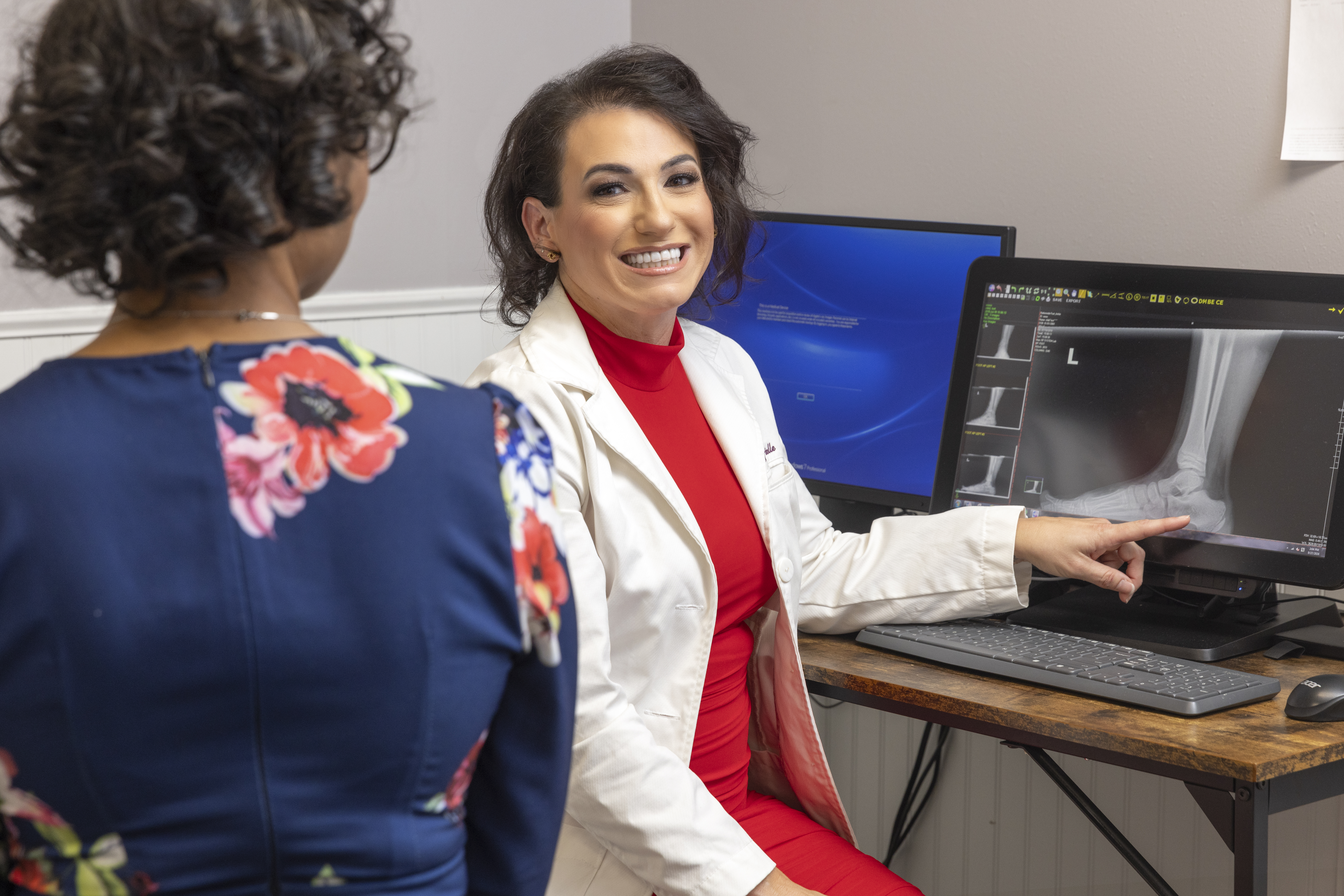
Achilles tendonitis is a common condition that affects athletes, fitness enthusiasts, and anyone who places repetitive stress on their Achilles tendon—the thick band of tissue connecting your calf muscles to your heel. This condition can cause pain, inflammation, and limited mobility, potentially affecting performance and daily activities.
At Nationwide Foot & Ankle Care, P.C., our experienced podiatrists in Livonia and Royal Oak, MI, specialize in Achilles tendonitis treatment, providing personalized care for fast recovery and long-term tendon health.
What is Achilles Tendonitis?
Achilles tendonitis is the inflammation or irritation of the Achilles tendon, often resulting from overuse, repetitive activity, or sudden increases in physical intensity. It can be classified into two main types:
Acute Achilles Tendonitis: Sudden onset, often due to intense exercise or injury.
Chronic Achilles Tendonitis: Long-term degeneration of the tendon caused by repeated stress or aging.
Without proper care, the tendon can weaken and may lead to tendon rupture, which requires surgical intervention.
Who is at Risk for Achilles Tendonitis?
Certain individuals are more likely to experience Achilles tendonitis:
Athletes: Runners, basketball, soccer, and tennis players
Fitness Enthusiasts: Those increasing intensity too quickly
Older Adults: Tendons lose elasticity with age
People with Biomechanical Issues: Flat feet, high arches, or abnormal gait
Individuals with Obesity: Extra weight increases strain on the tendon
Symptoms of Achilles Tendonitis
Pain or stiffness along the tendon, especially after rest or in the morning
Swelling, tenderness, or warmth around the tendon
Thickening or nodules along the tendon
Pain that worsens with activity
Limited ankle mobility or discomfort when walking or running
Common Causes of Achilles Tendonitis
Overuse or Sudden Activity Increases Rapidly increasing distance, intensity, or new workouts can overload the tendon.
Tight or Weak Calf Muscles Reduced flexibility or muscle strength increases stress on the tendon.
Improper Footwear Shoes without proper cushioning or arch support can aggravate the tendon.
Biomechanical Abnormalities Flat feet, high arches, or abnormal gait can place uneven pressure on the tendon.
Aging Tendons With age, tendons lose elasticity and are more prone to inflammation and injury.
Prevention Tips for Achilles Tendonitis
Gradually increase workout intensity
Stretch and warm up properly before exercise
Strengthen calves and foot muscles
Wear supportive, activity-appropriate footwear
Monitor activity load and rest adequately
Treatment Options for Achilles Tendonitis
Treatment is tailored based on severity, activity level, and underlying causes.
1. Conservative Treatments
Rest and Activity Modification: Avoid activities that worsen symptoms.
Ice Therapy: Apply ice for 15–20 minutes to reduce inflammation.
Over-the-Counter Pain Relief: NSAIDs like ibuprofen help manage pain and swelling.
2. Physical Therapy and Exercises
Targeted Achilles tendon exercises can strengthen and stretch the tendon:
Eccentric Heel Drops: Gradual strengthening of the tendon
Calf Stretching: Improves flexibility and reduces tension
Balance and Proprioception Training: Enhances ankle stability and prevents re-injury
3. Orthotics and Supportive Footwear
Custom Orthotics: Correct biomechanical issues and reduce strain
Heel Lifts: Temporarily relieve tension on the tendon
4. Advanced Treatments
Platelet-Rich Plasma (PRP) Therapy: Uses patient’s own platelets to stimulate healing
Shockwave Therapy: Promotes tissue repair and reduces chronic inflammation
Night Splints: Prevent morning stiffness and pain
5. Surgical Intervention
Surgery is reserved for chronic or severe cases where conservative and advanced treatments fail:
Tendon Debridement: Removes damaged tissue
Tendon Repair or Reconstruction: Restores tendon function and integrity
Why Choose Nationwide Foot & Ankle Care, P.C. for Achilles Tendonitis Treatment
Experienced Podiatrists: Our team of podiatrists is experienced in diagnosing and treating foot pain and injuries in athletes and active individuals.
Comprehensive Foot Care: We offer a full range of treatments, from conservative therapies like physical therapy and orthotics to advanced procedures.
Personalized Care: Every treatment plan is customized to your specific needs, ensuring the best possible outcome.
State-of-the-Art Technology: We use the latest diagnostic tools and treatments to provide the most effective care for foot pain relief.
Schedule Your Achilles Tendonitis Consultation Today
Don’t let Achilles tendon pain interfere with your life. Contact Nationwide Foot & Ankle Care, P.C. to schedule a consultation and receive expert Achilles tendonitis treatment in Livonia or Royal Oak, MI. Start your journey to pain relief and tendon recovery today.
Plantar Fasciitis: Causes, Symptoms, and Effective Treatment Options
Heel pain is a common but often misunderstood foot condition that can significantly impact your daily life. One of the leading causes of heel pain is plantar fasciitis, a condition caused by inflammation of the plantar fascia, the thick connective tissue that runs along the bottom of the foot from the heel to the toes.
At Nationwide Foot & Ankle Care, P.C., our podiatrists in Livonia and Royal Oak, MI specialize in diagnosing and treating plantar fasciitis, providing personalized solutions to alleviate pain, restore mobility, and prevent recurrence.
What is Plantar Fasciitis
Plantar fasciitis occurs when the plantar fascia is overstressed or irritated, leading to microtears and inflammation. This condition often results in stabbing or sharp heel pain, particularly during the first steps after sleeping or after periods of prolonged standing. Left untreated, plantar fasciitis can become chronic, leading to compensatory changes in walking patterns that affect knees, hips, and lower back.
Who is at Risk?
Adults aged 40–60, particularly active individuals
Athletes and runners involved in high-impact sports
Individuals who stand for long periods such as teachers, healthcare workers, and retail employees
People with flat feet, high arches, or abnormal gait
Overweight or obese adults
Common Causes of Plantar Fasciitis
Several factors contribute to plantar fasciitis, often working in combination:
Overuse & Repetitive Stress
Activities like running, dancing, or jumping put repeated strain on the plantar fascia.
Long hours on hard surfaces can accelerate microtears in the fascia.
Foot Structure & Biomechanics
Flat feet, high arches, or abnormal gait mechanics increase tension along the plantar fascia.
Uneven weight distribution can aggravate heel tissue over time.
Improper Footwear
Shoes lacking arch support or adequate cushioning increase pressure on the heel.
High heels or worn-out shoes can exacerbate pain and delay recovery.
Obesity & Weight Gain
Extra body weight increases stress on the plantar fascia, leading to microtrauma.
Age and Activity Level
Plantar fasciitis is more common in adults aged 40–60 due to decreased fascia elasticity.
Sudden increases in activity or new workout regimens can trigger heel pain.
Occupational Factors
Jobs that involve prolonged standing, walking, or lifting can stress the plantar fascia.
Symptoms of Plantar Fasciitis
Patients with plantar fasciitis typically experience:
Reduced mobility or difficulty performing athletic activities
Sharp, stabbing heel pain on the bottom of the foot, especially in the morning
Pain that worsens after prolonged standing or walking
Tenderness along the heel or arch
Swelling in severe cases
Pain that may radiate to the ankle, knees, or lower back due to altered gait
Diagnosis of Plantar Fasciitis
Accurate diagnosis is critical for effective plantar fasciitis treatment. At Nationwide Foot & Ankle Care, P.C., our podiatrists use:
Physical Examination: Assessing tenderness, range of motion, and gait patterns
Imaging Tests: X-rays or ultrasound to rule out fractures, heel spurs, or other structural issues
Medical History Review: Considering factors such as prior injuries, activity level, and footwear habits
Prevention Tips for Plantar Fasciitis
Wear supportive shoes with proper cushioning and arch support
Stretch daily, targeting calves, Achilles tendon, and plantar fascia
Maintain a healthy weight to reduce pressure on the heel
Avoid sudden increases in high-impact activities
Use custom orthotics if recommended by a podiatrist
Limit prolonged standing or walking on hard surfaces
Treatment Options for Plantar Fasciitis
Treatment depends on the severity of the condition and the underlying causes. Nationwide Foot & Ankle Care, P.C. offers a full spectrum of treatment options, from conservative care to advanced therapies:
1. Conservative Care
Rest and Ice Therapy: Reduces inflammation and relieves acute pain
Stretching Exercises: Calf, Achilles tendon, and plantar fascia stretches improve flexibility and relieve tension
Supportive Footwear: Proper shoes with cushioning and arch support
Custom Orthotics: Designed to correct foot mechanics, redistribute pressure, and provide lasting pain relief
2. Physical Therapy
Strengthens the foot, ankle, and lower leg muscles
Improves gait and posture mechanics
Reduces the risk of future flare-ups
Utilizes modalities such as ultrasound, manual therapy, and balance training
Night Splints: Keep the plantar fascia stretched overnight to reduce morning heel pain
5. Surgical Intervention
Surgery is considered when conservative and advanced therapies fail:
Plantar Fascia Release: Partial release of fascia to reduce tension and pain
Heel Spur Surgery: Removal of bone spurs causing additional discomfort
Why Choose Nationwide Foot & Ankle Care, P.C. for Foot Pain Relief?
Experienced Podiatrists: Our team of podiatrists is experienced in diagnosing and treating foot pain and injuries in athletes and active individuals.
Comprehensive Foot Care: We offer a full range of treatments, from conservative therapies like physical therapy and orthotics to advanced procedures.
Personalized Care: Every treatment plan is customized to your specific needs, ensuring the best possible outcome.
State-of-the-Art Technology: We use the latest diagnostic tools and treatments to provide the most effective care for foot pain relief.
Schedule Your Plantar Fasciitis Consultation Today
Don’t let heel pain disrupt your daily life. Contact Nationwide Foot & Ankle Care, P.C. in Livonia or Royal Oak, MI to schedule a consultation. Our podiatrists will help you find effective heel pain relief and prevent future flare-ups.
The Role of Custom Orthotics in Treating Foot Pain in Livonia & Royal Oak, MI
Custom orthotics are medical-grade, custom-made inserts for your shoes that provide support, alignment correction, and pressure relief. Unlike over-the-counter insoles, which offer generic cushioning, custom orthotics are tailored to your exact foot shape, gait, and pressure points.
By addressing biomechanical imbalances, custom orthotics can reduce pain in the feet, ankles, knees, hips, and lower back. They are used to treat both acute conditions and long-term structural issues, making them a versatile tool in podiatric care.
How Custom Orthotics Help Foot Pain
Custom orthotics can provide relief for a variety of conditions:
1. Plantar Fasciitis
Cause: Inflammation of the plantar fascia due to overuse, flat feet, or high arches.
How Orthotics Help: They provide arch support, distribute pressure evenly, and reduce strain on the fascia, alleviating heel pain and promoting healing.
2. Flat Feet or High Arches
Cause: Structural imbalance affecting gait and pressure distribution.
How Orthotics Help: Support arches appropriately—providing stability for flat feet and cushioning for high arches—to improve foot alignment and reduce pain in the feet, ankles, and lower legs.
3. Bunions & Hammertoes
Cause: Misalignment of toes and pressure on joints.
How Orthotics Help: Redistribute weight across the foot, reduce friction, and help prevent worsening of deformities while relieving associated pain.
4. Neuromas & Metatarsalgia
Cause: Compression of nerves or increased pressure in the ball of the foot.
How Orthotics Help: Cushion sensitive areas, reduce nerve compression, and relieve pain during walking or standing.
5. Achilles Tendonitis
How Orthotics Help: Provide heel lift and proper alignment to reduce tension on the tendon and promote healing.
Cause: Strain or inflammation of the Achilles tendon due to overuse, improper footwear, or biomechanical issues.
Key Benefits of Custom Orthotics
Pain Relief
Custom orthotics correct structural imbalances that cause chronic pain.
Reduces stress on joints and muscles, preventing secondary issues in knees, hips, and back.
Improved Mobility
Proper support allows patients to walk, exercise, and perform daily activities comfortably.
Encourages correct gait mechanics, reducing fatigue and discomfort.
Injury Prevention
Corrects abnormal foot mechanics to prevent repetitive stress injuries.
Helps athletes, active adults, and seniors reduce risk of falls or overuse injuries.
Long-Term Foot Health
Slows progression of chronic conditions like plantar fasciitis, bunions, and arthritis.
Supports overall alignment, improving posture and reducing pressure-related damage.
Who Can Benefit from Custom Orthotics?
Custom orthotics are ideal for individuals experiencing:
Persistent foot or heel pain
Structural imbalances like flat feet or high arches
Foot pain related to diabetes or poor circulation
Pain from sports injuries or overuse conditions
Chronic conditions like plantar fasciitis, bunions, or tendonitis
Our podiatrists in Livonia and Royal Oak, MI perform a comprehensive evaluation to determine if custom orthotics are right for you.
Early detection allows for non-invasive treatments that prevent long-term complications and ensure healthy foot development.
The Custom Orthotics Process
Comprehensive Evaluation
Foot Impressions or 3D Scanning
Capture the precise shape of your feet for tailored orthotic design.
Ensures optimal fit and maximum comfort.
Fabrication
Orthotics are crafted from high-quality, durable materials customized to your needs.
Options include soft cushioning for comfort or rigid support for alignment correction.
Fitting & Adjustment
Orthotics are tested in your footwear to ensure proper fit and comfort.
Adjustments are made as needed to maximize effectiveness.
Follow-Up & Monitoring
Why Choose Nationwide Foot & Ankle Care, P.C. for Foot Pain Relief?
Experienced Podiatrists: Our team of podiatrists is experienced in diagnosing and treating foot pain and injuries in athletes and active individuals.
Comprehensive Foot Care: We offer a full range of treatments, from conservative therapies like physical therapy and orthotics to advanced procedures.
Personalized Care: Every treatment plan is customized to your specific needs, ensuring the best possible outcome.
State-of-the-Art Technology: We use the latest diagnostic tools and treatments to provide the most effective care for foot pain relief.
Schedule Your Consultation Today
If you’re experiencing foot pain or want to prevent injuries, Nationwide Foot & Ankle Care, P.C. is here to help. Schedule an appointment with one of our experienced podiatrists to get the care you need to stay active and pain-free.
Pediatric Foot Care in Metro Detroit: Early Detection and Treatment of Common Foot Problems in Children
Healthy feet are essential for a child’s growth, development, and mobility. At Nationwide Foot & Ankle Care, P.C., we provide expert pediatric foot care in Livonia, Royal Oak, and surrounding Metro Detroit communities, helping parents, caregivers, and pediatricians detect and treat common foot problems in children before they become long-term issues.
Why Pediatric Foot Care Matters
Children’s feet are constantly growing and changing. Many foot problems are subtle in the early stages but can lead to pain, discomfort, and gait abnormalities if left untreated. Early evaluation by a podiatrist ensures:
Proper foot development and alignment
Prevention of chronic pain and deformities
Improved posture, balance, and mobility
Peace of mind for parents and caregivers
Routine pediatric foot exams in Metro Detroit help identify issues that may otherwise go unnoticed at home.
Common Foot Problems in Children
Several foot conditions frequently affect children. Early detection and treatment are crucial for preventing complications.
1. Flat Feet (Pes Planus)
Flat feet occur when the arches of the feet do not develop normally. While many children have flexible flat feet, persistent flat feet can cause discomfort or affect walking.
Symptoms: Pain in feet or ankles, fatigue after activity, inward rolling of the ankles
Treatment: Custom orthotics, supportive shoes, and strengthening exercises. Surgery is rarely required.
2. In-Toeing and Out-Toeing
Some children walk with toes pointed inward (in-toeing) or outward (out-toeing), often due to rotational issues in the hips, tibia, or feet.
Symptoms: Tripping, awkward gait, uneven wear on shoes
Treatment: Observation for mild cases, corrective orthotics, or physical therapy if needed.
3. Heel Pain and Plantar Conditions
Heel pain can result from growth plate irritation (Sever’s disease) or inflammation of the plantar fascia.
Symptoms: Pain at the back or bottom of the heel, worse after activity
Treatment: Rest, stretching, supportive footwear, and orthotics.
4. Toe Deformities
Conditions like hammertoes or curly toes can arise from genetics, foot structure, or poorly fitting shoes.
Treatment: Stretching exercises, proper footwear, and minor corrective procedures if necessary.
5. Ingrown Toenails
Ingrown toenails occur when the nail edge grows into surrounding skin, causing pain or infection.
Symptoms: Redness, swelling, tenderness, or drainage near the nail
Treatment: Proper nail trimming, soaking, and podiatric intervention if infected.
6. Fungal Infections (Toenail Fungus)
Fungal infections, including athlete’s foot, are common in children active in communal areas like gyms or pools.
Symptoms: Thickened, discolored, or brittle nails
Treatment: Topical or oral antifungals and preventive hygiene practices.
Early Detection and Screening
At Nationwide Foot & Ankle Care, P.C., we provide comprehensive pediatric foot assessments for children across Livonia, Royal Oak, and Metro Detroit:
Gait Analysis: Evaluates walking patterns and identifies abnormalities
Arch and Foot Structure Evaluation: Detects flat feet, high arches, or other deformities
Muscle and Ligament Assessment: Measures flexibility, strength, and balance
Footwear Guidance: Recommends proper shoes for growing feet
Early detection allows for non-invasive treatments that prevent long-term complications and ensure healthy foot development.
Treatment Approaches in Pediatric Foot Care
Our approach focuses on gentle, effective, and age-appropriate care:
Custom Orthotics: Support proper foot alignment and relieve discomfort
Physical Therapy: Strengthen foot muscles and improve gait
Proper Footwear Recommendations: Ensure shoes are supportive and allow for growth
Minimally Invasive Procedures: For structural deformities that require correction
Preventive Education: Teach parents and children foot hygiene, stretching, and care routines
Why Choose Nationwide Foot & Ankle Care in Metro Detroit?
At Nationwide Foot & Ankle Care, P.C., we specialize in diagnosing and treating a wide range of foot and ankle conditions. Our podiatrists offer personalized foot and ankle strengthening programs to help you improve mobility, reduce pain, and prevent injuries. Whether you’re an athlete or dealing with chronic foot pain, we’re here to help you achieve optimal foot health.
Why Choose Us?
Expert Podiatrists: Our podiatrists are highly trained in foot and ankle care and rehabilitation.
Personalized Care Plans: We develop customized treatment plans to address your unique needs.
Comprehensive Foot Care: From preventive care to advanced treatments, we provide complete care for all your foot and ankle health needs.
State-of-the-Art Technology: We use the latest diagnostic tools and treatments to provide the best care for your feet and ankles.
Contact Nationwide Foot & Ankle Care for Foot and Ankle Strengthening
Protect your child’s mobility and prevent long-term foot problems. Contact Nationwide Foot & Ankle Care, P.C. to schedule a pediatric foot exam in Livonia, Royal Oak, or anywhere in Metro Detroit. Early detection and treatment ensure healthy, pain-free feet for your child.
Why Choose Nationwide Foot & Ankle Care, P.C. for Foot Pain Relief?
Experienced Podiatrists: Our team of podiatrists is experienced in diagnosing and treating foot pain and injuries in athletes and active individuals.
Comprehensive Foot Care: We offer a full range of treatments, from conservative therapies like physical therapy and orthotics to advanced procedures.
Personalized Care: Every treatment plan is customized to your specific needs, ensuring the best possible outcome.
State-of-the-Art Technology: We use the latest diagnostic tools and treatments to provide the most effective care for foot pain relief.
Contact Us for Foot Pain Relief
If you’re experiencing foot pain or want to prevent injuries, Nationwide Foot & Ankle Care, P.C. is here to help. Schedule an appointment with one of our experienced podiatrists to get the care you need to stay active and pain-free.
Strengthen Your Feet and Ankles for Pain Relief and Improved Mobility
Foot and ankle pain can have a significant impact on your ability to perform daily activities, exercise, and maintain an active lifestyle. Whether you’re dealing with chronic conditions, recovering from an injury, or simply want to prevent future problems, foot and ankle strengthening exercises are essential for improving your mobility, reducing pain, and maintaining overall foot health.
At Nationwide Foot & Ankle Care, P.C., our podiatrists specialize in providing personalized rehabilitation plans, including ankle exercises for pain relief and foot strengthening exercises. These exercises help to improve the function and strength of your feet and ankles, which can reduce the risk of injury and promote overall foot health.
Why Foot and Ankle Strengthening Exercises Matter
Your feet and ankles bear the weight of your entire body and are responsible for providing support and stability during every step. Over time, poor foot mechanics, injury, or lack of proper exercise can weaken the muscles and tendons in the feet and ankles, leading to pain, instability, and an increased risk of injury.
Foot and ankle strengthening exercises are designed to:
Improve muscle strength: Strengthening the muscles that support your feet and ankles helps with balance and stability, reducing the risk of falls and injuries.
Enhance flexibility and range of motion: Exercises can increase the flexibility of your feet and ankles, allowing for smoother movement and preventing stiffness.
Alleviate pain: Properly strengthening your feet and ankles can reduce pain caused by conditions like plantar fasciitis, Achilles tendonitis, and arthritis.
Speed up recovery: For individuals recovering from foot or ankle injuries, rehabilitation exercises are key to regaining strength and function.
Prevent injuries: Strengthening the muscles around the foot and ankle can help prevent overuse injuries, sprains, and strains.
Common Foot and Ankle Problems That Benefit from Strengthening Exercises
Foot and ankle strengthening exercises can be especially beneficial for individuals experiencing:
Foot Pain: Conditions like plantar fasciitis, flat feet, and heel spurs often result in foot pain. Strengthening the muscles in the foot can provide support and alleviate discomfort.
Ankle Sprains and Strains: Recurrent ankle sprains or strains can lead to weakened muscles and ligaments. Strengthening exercises help restore function and reduce the risk of future injuries.
Chronic Conditions: Arthritis, rheumatoid arthritis, and other inflammatory conditions can cause stiffness and weakness in the feet and ankles. Exercises help reduce pain and improve joint mobility.
Balance and Mobility Issues: Elderly individuals or those recovering from surgery may experience difficulty walking or maintaining balance. Strengthening exercises can improve stability and prevent falls.
Foot Strengthening Exercises for Pain Relief
Here are some simple and effective foot rehabilitation exercises to help strengthen your feet and ankles and alleviate pain:
1. Toe Taps
Purpose: Strengthens the toe flexors and improves foot mobility.
How to do it: Sit on a chair with your feet flat on the floor. Lift your toes and tap them against the floor repeatedly, then relax. Perform 2-3 sets of 10-15 taps.
Benefits: Improves toe flexibility and strengthens the muscles in the ball of the foot.
2. Heel and Toe Raises
Purpose: Strengthens the calves, ankles, and feet.
How to do it: Stand with your feet hip-width apart. Slowly rise onto your toes, hold for a second, and then lower back down. Then, lift your toes and rock back onto your heels, holding for a second before lowering back down. Perform 2-3 sets of 10-15 reps for each movement.
Benefits: Builds strength in the calves, ankles, and feet, while improving balance.
3. Arch Lifts
Purpose: Strengthens the arch muscles and reduces pain from flat feet.
How to do it: Sit with your feet flat on the floor. While keeping your toes on the ground, attempt to raise the arch of your foot without lifting your toes. Hold for a few seconds, then relax. Perform 2-3 sets of 10-15 reps.
Benefits: Strengthens the intrinsic muscles of the foot and supports the arch.
4. Resistance Band Exercises
Purpose: Strengthens the ankle muscles and improves range of motion.
How to do it: Sit with your legs extended. Place a resistance band around the ball of your foot, holding both ends of the band. Push your foot forward, pointing your toes, and then slowly return to the starting position. Perform 2-3 sets of 10-15 reps for each foot.
Benefits: Targets the calf muscles, ankle flexors, and extensors, improving ankle strength and flexibility.
5. Towel Scrunches
Purpose: Strengthens the foot muscles and helps with foot arch support.
How to do it: Sit with your feet flat on the floor and place a towel under your feet. Use your toes to scrunch the towel toward you, then release. Perform 2-3 sets of 10-15 reps.
Benefits: Strengthens the muscles in the feet and enhances foot arch support.
6. Ankle Circles
Purpose: Improves ankle flexibility and range of motion.
How to do it: Sit with your legs extended. Rotate your ankle in a circular motion in one direction for 10-15 reps, then switch directions. Perform 2-3 sets for each ankle.
Benefits: Improves ankle mobility and flexibility, especially for those recovering from an injury or surgery.
Ankle Exercises for Pain Relief
1. Ankle Pumps
Purpose: Increases ankle mobility and blood flow.
How to do it: Sit with your legs extended. Flex and point your foot up and down in a pumping motion. Perform 2-3 sets of 10-15 reps for each foot.
Benefits: Improves circulation and reduces stiffness in the ankle joint.
2. Heel Walks
Purpose: Strengthens the muscles in the front of the lower leg and improves balance.
How to do it: Walk on your heels for 30 seconds, then rest. Perform 2-3 sets of 30-second heel walks.
Benefits: Strengthens the anterior tibialis muscle, improving ankle and foot stability.
3. Standing Calf Raises
Purpose: Strengthens the calves and ankles.
Benefits: Strengthens the calf muscles and improves overall ankle stability.
How to do it: Stand with your feet shoulder-width apart. Slowly rise onto your toes, hold for a second, then lower back down. Perform 2-3 sets of 10-15 reps.
Why Foot and Ankle Strengthening Exercises Matter for Athletes and the Elderly
For Athletes:
Athletes often push their feet and ankles to their limits, making them more prone to injuries like sprains, strains, and fractures. Strengthening exercises improve foot stability, flexibility, and overall performance, helping to prevent injuries and promote faster recovery.
For Elderly Individuals:
As we age, we naturally lose muscle mass and flexibility, which can affect our balance and mobility. Foot strengthening exercises are essential for maintaining proper foot function and preventing falls in elderly individuals. Regular exercise can also help alleviate pain from conditions like arthritis or bunions.
The Benefits of Regular Foot and Ankle Strengthening Exercises
Prevention of Injuries: Strengthening the muscles and tendons in the feet and ankles helps prevent overuse injuries, sprains, and strains.
Pain Relief: Foot exercises can alleviate pain caused by conditions like plantar fasciitis, arthritis, and Achilles tendonitis.
Improved Mobility: Regular strengthening exercises increase range of motion, making it easier to walk, run, and engage in daily activities.
Better Balance and Stability: Foot and ankle exercises improve balance, reducing the risk of falls and improving overall stability.
Why Choose Nationwide Foot & Ankle Care, P.C. for Foot and Ankle Care?
At Nationwide Foot & Ankle Care, P.C., we specialize in diagnosing and treating a wide range of foot and ankle conditions. Our podiatrists offer personalized foot and ankle strengthening programs to help you improve mobility, reduce pain, and prevent injuries. Whether you’re an athlete or dealing with chronic foot pain, we’re here to help you achieve optimal foot health.
Why Choose Us?
Expert Podiatrists: Our podiatrists are highly trained in foot and ankle care and rehabilitation.
Personalized Care Plans: We develop customized treatment plans to address your unique needs.
Comprehensive Foot Care: From preventive care to advanced treatments, we provide complete care for all your foot and ankle health needs.
State-of-the-Art Technology: We use the latest diagnostic tools and treatments to provide the best care for your feet and ankles.
Contact Nationwide Foot & Ankle Care for Foot and Ankle Strengthening
If you’re experiencing foot pain or want to improve your foot and ankle strength, don’t wait to get the care you need. Nationwide Foot & Ankle Care, P.C. offers expert treatments to help you live a more active and pain-free life. Schedule an appointment today for a comprehensive evaluation and personalized foot care plan.
Why Choose Nationwide Foot & Ankle Care, P.C. for Foot Pain Relief?
Experienced Podiatrists: Our team of podiatrists is experienced in diagnosing and treating foot pain and injuries in athletes and active individuals.
Comprehensive Foot Care: We offer a full range of treatments, from conservative therapies like physical therapy and orthotics to advanced procedures.
Personalized Care: Every treatment plan is customized to your specific needs, ensuring the best possible outcome.
State-of-the-Art Technology: We use the latest diagnostic tools and treatments to provide the most effective care for foot pain relief.
Contact Us for Foot Pain Relief
If you’re experiencing foot pain or want to prevent injuries, Nationwide Foot & Ankle Care, P.C. is here to help. Schedule an appointment with one of our experienced podiatrists to get the care you need to stay active and pain-free.