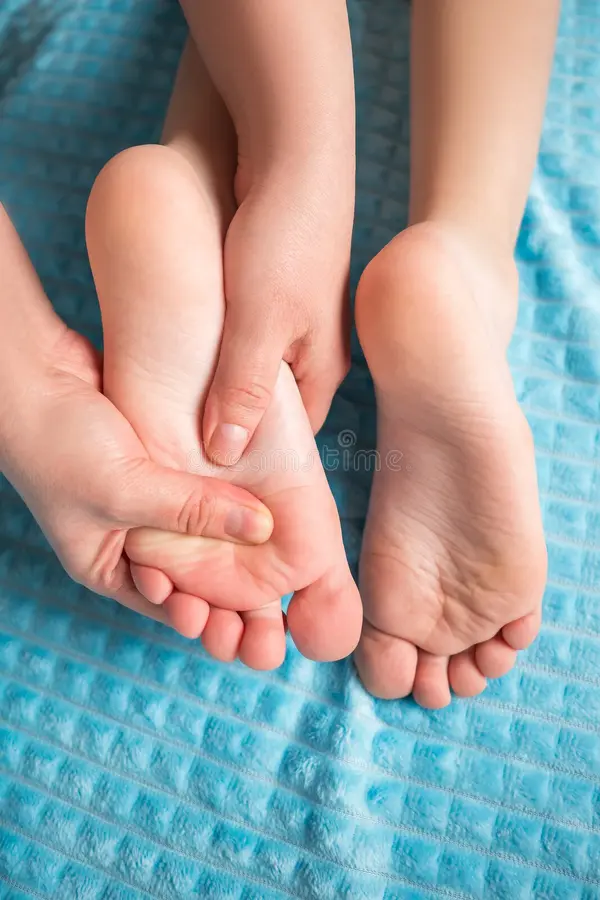
Tag: children

  • Flat Feet in Children: When Should Parents Worry?

    Flat Feet in Children: When Should Parents Worry?

    children's podiatrist Southeast Michigan

    Flat Feet in Children: When Should Parents Worry?

    Flat feet are one of the most common concerns parents notice as their children begin standing, walking, running, and participating in sports. A parent may see that the arches appear low, the ankles lean inward, or the entire sole of the foot touches the floor. Others first notice that their child’s shoes wear unevenly or that their feet look different from those of other children.

    In many cases, flat feet in children are a normal part of development. Babies and toddlers commonly have low or barely visible arches, and many children develop more noticeable arches as their bones, muscles, tendons, and ligaments mature. A painless, flexible flat foot that does not interfere with walking, playing, or sports may require nothing more than observation.

    However, not every flat foot is the same. Pediatric flat feet should be evaluated when they cause pain, fatigue, limping, recurring ankle injuries, balance problems, difficulty participating in activities, or changes in the way a child walks. A rigid foot that remains flat in every position, a deformity affecting only one side, or a foot that appears to be worsening also deserves professional attention.

    The challenge for parents is knowing the difference between a normal developmental variation and a condition that may benefit from treatment. At Nationwide Foot & Ankle Care, P.C., we help families throughout Livonia, Royal Oak, Metro Detroit, and Southeast Michigan understand how their children’s feet are developing and whether pain, walking changes, or activity limitations require additional care.


    A person has flat feet when the arch along the inside of the foot is low or appears to disappear while standing. The medical term is pes planus. When body weight is placed on the foot, a larger portion of the sole may contact the floor, and the heel may tilt outward while the ankle appears to lean inward.

    The foot’s arch is more than a visible curve. It helps absorb shock, distribute pressure, adapt to uneven surfaces, and create an efficient lever for walking and running. The arch is supported by the shape of the bones as well as the surrounding muscles, ligaments, tendons, and connective tissues.

    Children’s feet are still developing, so their arches may look very different from adult arches. A low arch does not automatically mean that a child has a medical problem. The more important questions are whether the foot is flexible, whether symptoms are present, and whether the foot is affecting movement or activity.

    Children are not born with fully developed adult feet. Their bones, muscles, joints, ligaments, and walking mechanics continue changing throughout childhood and adolescence. Infants also have a natural layer of fat along the bottom of the foot that can hide the developing arch and make the foot look flatter than it is.

    When toddlers begin walking, they often use a wide stance and take short, unsteady steps. Their feet may turn inward or outward, and their ankles may appear to lean toward the floor. These early walking patterns help children maintain balance while strength and coordination develop.

    As children grow, the muscles supporting the feet become stronger and their walking pattern usually becomes more efficient. A visible arch may gradually develop, although the timing varies considerably from one child to another. Some healthy children and adults continue to have flexible flat feet without pain or functional limitations.

    This natural variation is why treatment decisions should never be based on appearance alone. A pediatric foot evaluation considers age, symptoms, flexibility, walking mechanics, activity level, and whether the condition is changing over time.

    Flat feet are extremely common among babies, toddlers, and younger children. Most painless, flexible flat feet do not interfere with normal development and do not require treatment simply because the arch appears low.

    Parents should focus less on whether an arch looks “perfect” and more on how the child feels and functions. A child who runs, walks, plays, and participates in sports without pain may not need corrective treatment. Monitoring may be appropriate as the child continues growing.

    An evaluation becomes more important when the feet are painful, stiff, progressively changing, or interfering with normal activity. The child’s age also matters. A walking pattern that is expected in a toddler may deserve a closer look when it persists into later childhood and causes symptoms.

    Infants and toddlers commonly have feet that appear flat. The arch may be hidden by soft tissue, and the muscles responsible for controlling the foot are still developing. Children learning to walk may also place their feet farther apart for balance.

    Parents should still mention concerns if the foot appears unusually stiff, the child seems to be in pain, only one foot is affected, or the child is not meeting expected movement milestones.

    By school age, walking mechanics are generally more established and children often become involved in organized sports. Flat feet may become more noticeable when increased activity causes foot fatigue, heel pain, ankle discomfort, or difficulty keeping up with peers.

    A painless, flexible foot may still be a normal variation. However, recurring symptoms during school, sports, or daily activity are a reason to schedule an evaluation.

    Growth spurts, increased body size, athletic training, and repetitive activity can place additional stress on a teenager’s feet. A teen who previously had no symptoms may begin experiencing arch pain, heel pain, tendon irritation, or ankle instability.

    Persistent pain in an adolescent should not be dismissed as a normal part of growth. A pediatric podiatrist can determine whether the symptoms are related to flat feet, overuse, tight muscles, an injury, or another condition.


    One of the most important distinctions in pediatric flat feet is whether the foot is flexible or rigid. The two types may look similar while a child stands, but they behave differently and may require very different approaches.

    Flexible Flat Feet

    With flexible flat feet, the arch appears low or absent when the child stands but reappears when the foot is not bearing weight. Parents may see an arch while the child sits, lies down, or rises onto the toes.

    Flexible flat feet are common and are often painless. When a child has no pain, fatigue, or limitations, treatment may not be necessary. The condition can simply be monitored as the child develops.

    Some children with flexible flat feet do experience symptoms. Pain may develop along the arch, heel, ankle, or inner side of the foot, particularly after running, standing, or playing sports. In these cases, treatment focuses on comfort, function, and the factors contributing to the symptoms.

    Rigid Flat Feet

    With a rigid flat foot, the arch remains low regardless of whether the child is standing, sitting, or rising onto the toes. The foot may feel stiff, motion may be limited, and pain can occur during walking or activity.

    Rigid pediatric flat feet are less common and should be evaluated. They may be associated with an underlying structural condition, including abnormal connections between bones or another developmental issue. Imaging may be recommended to better understand the foot’s structure.

    Parents should also schedule an evaluation when only one foot appears flat, when the deformity is worsening, or when stiffness prevents normal movement.

    There is not one single cause of flat feet in children. In many cases, the foot shape is inherited and represents a normal variation. Other children develop symptoms because of flexibility, muscle tightness, body mechanics, activity level, or an underlying condition.

    Genetics and Family Foot Structure

    Foot shape often runs in families. A child may inherit low arches, flexible joints, or the overall alignment of the feet and legs from a parent. Genetics alone do not determine whether a child will experience pain.

    Flexible Ligaments and Joints

    Some children naturally have more flexible joints and ligaments. When the structures supporting the arch stretch under body weight, the arch may flatten while standing and return when the foot is relaxed.

    Muscle or Tendon Tightness

    Tight calf muscles or a tight Achilles tendon can affect the way the foot moves and increase strain during walking and running. Children going through rapid growth may temporarily lose flexibility as bones grow faster than the surrounding muscles adapt.

    Foot and Leg Alignment

    The position of the hips, knees, lower legs, ankles, and feet all influence walking mechanics. In-toeing, out-toeing, bowed legs, knock knees, or ankle alignment may change how pressure travels through the foot.

    Body Weight and Activity Demands

    Additional body weight can increase the load placed on the arches, ankles, and supporting tendons. This does not mean weight is the sole cause of flat feet, but it may contribute to fatigue or pain in a child who already has low arches.

    High activity levels can also reveal symptoms. A child may appear comfortable during normal daily activity but experience pain during competitive sports, long tournaments, dance rehearsals, or running programs.

    Underlying Structural or Neuromuscular Conditions

    Less commonly, flat feet may be associated with a structural abnormality, neuromuscular condition, connective tissue disorder, previous injury, or another medical concern. Painful, stiff, severe, or one-sided flat feet require a closer examination to rule out these possibilities.


    The appearance of a flat arch is not usually the most important concern. Symptoms and functional changes provide much better information about whether child flat feet treatment may be helpful.

    Recurring Foot or Arch Pain

    A child should generally be able to walk, play, and participate in age-appropriate activities without recurring foot pain. Pain along the arch, inside of the foot, heel, or ball of the foot may indicate that certain structures are being overloaded.

    Children do not always explain pain clearly. They may ask to be carried, avoid walking, stop participating in sports, or become irritable after activity instead of identifying the exact area that hurts.

    Leg Fatigue or Difficulty Keeping Up

    Children with symptomatic flat feet may complain that their legs feel tired after relatively short periods of walking or standing. Parents may notice that the child takes frequent breaks or falls behind peers during sports and physical activity.

    Heel or Ankle Pain

    Changes in foot mechanics can place stress on the heel, Achilles tendon, and structures around the ankle. A child may experience pain after sports, stiffness after rest, or discomfort along the inner side of the ankle.

    Frequent Tripping or Poor Balance

    Occasional falls are a normal part of childhood, but frequent tripping may indicate difficulty controlling the feet and ankles. A gait evaluation can help determine whether alignment, strength, coordination, or another issue is contributing.

    Recurring Ankle Sprains

    A foot that collapses significantly during movement may affect ankle stability in some children. Repeated ankle rolling or sprains should not be dismissed as simple clumsiness, especially when the same ankle is injured multiple times.

    Changes in Walking or Running

    Parents may notice that a child’s feet turn inward or outward, the ankles lean inward, the child walks unevenly, or the running pattern looks awkward. A noticeable limp, one-sided difference, or progressive change deserves evaluation.

    Uneven or Rapid Shoe Wear

    Shoes can provide clues about how weight moves across the feet. Excessive wear along one edge, collapsing around the inside of the shoe, or significant differences between the right and left shoes may reflect abnormal mechanics.

    The feet form the foundation for the lower body. When the feet roll inward excessively, the movement can influence the ankles, lower legs, knees, and hips. This does not mean every case of knee or back pain is caused by flat feet, but foot mechanics may contribute to discomfort in certain children.

    A child may compensate for foot pain by shortening their stride, turning the feet outward, avoiding pressure on one side, or changing the way they run. These compensations can place additional stress on muscles and joints elsewhere in the body.

    Possible associated symptoms may include:

    • Arch or heel pain
    • Ankle fatigue or instability
    • Shin discomfort
    • Knee pain after activity
    • Leg fatigue
    • Hip or lower-back discomfort related to compensation

    A comprehensive examination is important because kids foot pain and leg discomfort can have many causes. Treatment should be based on a clear diagnosis rather than the appearance of the arches alone.

    pediatric podiatrist evaluating flat feet in children

    Flat feet do not automatically prevent children from succeeding in sports. Many children with flexible flat feet run, jump, dance, and compete without pain or limitations. Treatment is not necessary simply because a child is athletic and has low arches.

    Problems arise when the foot is painful, becomes fatigued quickly, or does not provide enough stability for the demands of the child’s activity. Sports involving repeated running, jumping, cutting, and landing place significant forces through the feet and ankles.

    Children participating in soccer, basketball, football, track, cross-country, gymnastics, dance, volleyball, cheerleading, hockey, or tennis may notice symptoms during practices or tournaments. Pain may begin near the end of activity and gradually appear earlier as irritation increases.

    Parents and coaches should watch for:

    • Limping during or after activity
    • Repeatedly asking to leave practice
    • Heel or arch pain after running
    • Frequent ankle sprains
    • Reduced balance or difficulty landing
    • Avoiding movements that were previously comfortable
    • Pain returning after every practice or game

    The goal of treatment is not necessarily to change the appearance of the foot. It is to reduce pain, improve function, support efficient movement, and help the child participate safely.


    A pediatric flat-foot evaluation begins with a conversation about the child’s symptoms, development, activity level, previous injuries, medical history, and family history. Parents should explain when pain occurs, how long it lasts, and whether the child has changed or avoided activities.

    The podiatrist will examine the feet while the child is sitting and standing. Comparing weight-bearing and non-weight-bearing positions helps determine whether the foot is flexible or rigid. The examination may also assess joint mobility, muscle strength, Achilles tendon flexibility, ankle alignment, balance, and areas of tenderness.

    Walking and Gait Evaluation

    Watching the child walk provides information that cannot be seen during a stationary examination. The podiatrist may evaluate how the heels move, whether the arches collapse, where the feet point, how the knees and hips rotate, and whether the right and left sides function differently.

    For active children, observing running or sport-related movements may help identify when symptoms develop.

    Imaging When Needed

    Many flexible flat feet can be evaluated without extensive testing. X-rays may be recommended when the foot is painful, stiff, severe, one-sided, or suspected to have an underlying structural condition. Additional imaging may occasionally be needed when a tendon, joint, or bone abnormality requires closer evaluation.

    Treatment is based on symptoms and function—not appearance alone. A painless, flexible flat foot may not require treatment. When pain, fatigue, instability, or activity limitations are present, conservative options are usually considered first.

    Observation and Monitoring

    Observation may be recommended when the child has flexible flat feet without pain or functional limitations. Parents can monitor for new symptoms, changes in walking, recurring injuries, or increasing stiffness as the child grows.

    Supportive Footwear

    Comfortable, properly fitted shoes can help children remain active. Shoes should provide enough room for the toes, fit securely around the heel, and match the demands of the child’s activities.

    A supportive athletic shoe may reduce discomfort for a symptomatic child, but specialized corrective footwear is not automatically necessary for every child with low arches.

    Stretching Exercises

    Children with tight calf muscles or Achilles tendons may benefit from a stretching program. Improving flexibility can reduce strain and help the ankle move more efficiently during walking and running.

    Exercises should be recommended based on the child’s examination. Stretching should not be painful or forced.

    Strengthening and Balance Training

    Strengthening the muscles that support the feet and ankles may improve control, stability, and endurance. Balance exercises can be especially helpful for children with recurring ankle sprains or difficulty controlling the foot during sports.

    Physical Therapy

    Physical therapy may be recommended when a child has significant weakness, tightness, poor balance, an abnormal movement pattern, or difficulty returning to activity after an injury. Therapy can address the entire lower body rather than focusing only on the visible arch.

    Custom Orthotics

    Custom orthotics may help certain children with painful flexible flat feet, abnormal mechanics, recurring injuries, or symptoms that have not improved with basic footwear changes. Orthotics are designed to support the foot, redistribute pressure, and improve comfort during daily activities or sports.

    Orthotics are not required for every child with flat feet, and they should not be presented as a way to force every developing foot into a particular shape. Their purpose is generally to address symptoms and function when a clinical evaluation shows they may be beneficial.

    Activity Modification

    Temporary changes may be needed when an activity repeatedly aggravates pain. This does not always mean stopping exercise entirely. The child may be able to reduce high-impact training, switch to lower-impact conditioning, or follow a gradual return-to-sport plan while the irritated tissues recover.

    Surgery for Pediatric Flat Feet

    Surgery is rarely the first treatment for pediatric flexible flat feet. It may be considered when a child has significant pain or deformity that interferes with daily life and does not improve with appropriate non-surgical care, or when an underlying structural condition requires correction.

    When surgery is being considered, the diagnosis, expected benefits, recovery requirements, and alternatives should be discussed carefully with the family.


    This is one of the most common questions parents ask. The answer depends on why the orthotics are being prescribed.

    A child who has painless, flexible flat feet may not need orthotics. Inserts are not routinely necessary simply to create a visible arch in an otherwise comfortable, active child.

    Orthotics may be helpful when flat feet are associated with pain, fatigue, recurring ankle injuries, excessive pressure, or abnormal mechanics. In those cases, the goal is to improve comfort and function, not guarantee a permanent change in the child’s natural foot shape.

    Over-the-counter inserts may provide enough cushioning for mild symptoms. Custom orthotics may be considered when a child has more specific alignment needs, significant symptoms, or does not improve with standard support.

    Because every child’s feet and symptoms are different, orthotics should be recommended after an examination rather than purchased solely because the arches appear low.

    There is no single shoe that works for every child with flat feet. The best choice should fit properly, feel comfortable, and support the child’s specific activities.

    Look for shoes that:

    • Provide enough length and width for growing feet
    • Allow the toes to move without being compressed
    • Fit securely around the heel
    • Bend near the front of the foot rather than collapsing through the middle
    • Match the demands of the child’s sport or activity
    • Are replaced once the cushioning, tread, or structural support is significantly worn

    Bring the shoes your child wears most often to the podiatry appointment. Wear patterns can provide useful information about gait and pressure distribution.

    Myth: Every Child With Flat Feet Needs Treatment

    Many children have painless flexible flat feet and function normally. Treatment is generally based on symptoms, stiffness, progression, and activity limitations.

    Myth: Flat Feet Always Cause Future Problems

    A low arch does not guarantee future pain, arthritis, or disability. Many children and adults with flexible flat feet remain active without significant symptoms.

    Myth: Orthotics Permanently Create an Arch

    Orthotics can provide support, redistribute pressure, and reduce symptoms for selected patients. They should not be described as a guaranteed way to permanently reshape every child’s developing foot.

    Myth: Flat Feet Always Require Surgery

    Surgery is uncommon and is generally reserved for severe, painful, or structurally abnormal cases that have not responded to appropriate conservative treatment.

    Myth: Children Should Play Through Foot Pain

    Recurring pain is not something a child should simply tolerate. Continuing sports through pain can worsen an overuse injury and lead to compensations that affect other areas of the body.


    Parents should consider scheduling a pediatric foot evaluation when their child has:

    • Recurring foot, arch, heel, ankle, knee, or leg pain
    • Pain that limits walking, running, sports, or normal play
    • Flat feet that appear stiff or rigid
    • A noticeable difference between the right and left feet
    • A deformity that appears to be worsening
    • Frequent tripping, falling, or poor balance
    • Limping or avoidance of weight on one foot
    • Recurring ankle sprains
    • Difficulty keeping up with peers
    • Rapid or uneven shoe wear
    • Numbness, weakness, or other unusual symptoms

    Parents do not need to wait until the symptoms become severe. An examination may confirm that development is normal, identify a manageable source of discomfort, or reveal a condition that benefits from early care.

    Your child’s first visit begins with a discussion of symptoms, activities, previous injuries, medical history, and your concerns about development. It can be helpful to explain when the pain occurs, whether it affects one or both feet, and which activities seem to make it worse.

    The podiatrist will examine the feet and ankles, check flexibility and strength, and observe how your child stands and walks. The child may be asked to rise onto their toes, squat, balance, or perform other simple movements.

    Imaging is not necessary for every child. When X-rays or additional testing are recommended, your podiatrist will explain what is being evaluated and how the results may affect treatment.

    After the examination, your family should receive a clear explanation of whether the flat feet appear to be a normal flexible variation, what may be causing the symptoms, and whether observation, exercises, footwear changes, orthotics, physical therapy, or another treatment is appropriate.

    children's foot doctor for pediatric flat feet

    At Nationwide Foot & Ankle Care, P.C., we understand that parents want clear answers without unnecessary treatment. Our goal is to determine whether your child’s feet are developing normally, identify the cause of any pain or activity limitation, and recommend care based on the child’s individual needs.

    We provide pediatric foot and ankle care for families throughout Livonia, Royal Oak, Detroit, Southfield, Dearborn, Dearborn Heights, Westland, Plymouth, Northville, Farmington Hills, Novi, Birmingham, West Bloomfield, Auburn Hills, Clawson, Commerce Township, and surrounding Southeast Michigan communities.

    Whether your child has painful flat feet, recurring ankle sprains, heel pain, fatigue during sports, or changes in the way they walk, our team can provide a comprehensive evaluation and help your family understand the available options.

    Schedule a Pediatric Foot Evaluation

    If your child’s flat feet are causing pain, fatigue, recurring injuries, difficulty walking, or limitations during sports and everyday activity, schedule an evaluation with Nationwide Foot & Ankle Care, P.C.

    Our podiatrists provide personalized pediatric foot care for families throughout Livonia, Royal Oak, Metro Detroit, and Southeast Michigan.


    Is it normal for toddlers to have flat feet?

    Yes. Toddlers commonly appear to have flat feet because their arches are still developing and soft tissue along the bottom of the feet can hide the arch. An evaluation is recommended when the feet are painful, stiff, significantly different from one another, or associated with delayed or difficult walking.

    Will my child outgrow flat feet?

    Many children develop more visible arches as they grow, while others continue to have flexible flat feet into adulthood without pain. Whether treatment is needed depends more on symptoms and function than on whether a visible arch eventually develops.

    When should parents worry about pediatric flat feet?

    Parents should schedule an evaluation when flat feet cause pain, fatigue, limping, frequent tripping, recurring ankle sprains, difficulty participating in sports, stiffness, or a worsening or one-sided deformity.

    Do all children with flat feet need orthotics?

    No. Children with painless flexible flat feet may not need orthotics or other treatment. Orthotics may be recommended when flat feet contribute to pain, fatigue, recurring injuries, pressure problems, or abnormal foot mechanics.

    Can flat feet cause knee or ankle pain?

    Flat-foot mechanics may contribute to ankle, shin, knee, or leg discomfort in some children by changing how force travels through the lower body. A comprehensive evaluation is necessary because these symptoms can have many possible causes.

    Can children with flat feet play sports?

    Yes. Many children with flexible flat feet participate fully in sports without pain or limitations. Evaluation is recommended when a child develops recurring pain, fatigue, ankle instability, or difficulty keeping up during activity.

    What shoes are best for children with flat feet?

    Choose properly fitted shoes that provide adequate room for the toes, fit securely around the heel, and are designed for the child’s activity. A pediatric podiatrist can provide more specific footwear recommendations when symptoms are present.

    Is surgery required for pediatric flat feet?

    Surgery is rarely required for flexible pediatric flat feet. It may be considered for severe, painful, or structurally abnormal cases that interfere with daily life and do not improve with appropriate conservative care.

  • When Should My Child See a Podiatrist?

    When Should My Child See a Podiatrist?

    children's podiatrist Southeast Michigan

    When Should My Child See a Pediatric Podiatrist?

    As parents, we expect our children to come home with the occasional scrape, bruise, or complaint after a long day of running and playing. Active kids spend countless hours on playgrounds, sports fields, basketball courts, dance floors, and backyards. Sore muscles after a tournament or tired feet following a family vacation are usually nothing to worry about. But when foot pain becomes frequent, walking patterns change, or your child begins avoiding activities they once loved, it may be time to look beyond “growing pains.”

    A child’s feet are constantly developing. In fact, the human foot contains 26 bones, 33 joints, and more than 100 muscles, tendons, and ligaments working together to provide balance, flexibility, and strength. During childhood, many of these bones have not yet fully matured, and growth plates remain open as the body continues to develop. Because of this, children’s feet respond differently to stress and injury than adult feet.

    Many parents aren’t sure when a problem requires professional attention. Questions like “Will they grow out of it?” or “Is this normal for their age?” are incredibly common. While some conditions improve naturally as children grow, others can become more difficult to treat if left unaddressed. Recognizing the warning signs early can help prevent unnecessary pain and support healthy development.

    A pediatric podiatrist specializes in diagnosing and treating foot and ankle conditions affecting infants, children, teenagers, and young athletes. Whether your child is experiencing persistent heel pain, walking with their feet turned inward, complaining of recurring foot pain after sports, or struggling with an ingrown toenail that won’t heal, early evaluation can often make treatment simpler and recovery faster.

    At Nationwide Foot & Ankle Care, P.C., we help families throughout Livonia, Royal Oak, and communities across Metro Detroit understand what’s normal, what deserves further evaluation, and how to keep growing feet healthy for years to come.


    A pediatric podiatrist is a foot and ankle specialist who focuses on conditions affecting children throughout every stage of development. While adults and children may experience similar symptoms, the underlying causes are often very different because children’s feet are still growing.

    Unlike adult feet, children’s feet contain developing bones, open growth plates, and soft tissues that are constantly adapting as they learn to walk, run, jump, and participate in sports. Because of these differences, diagnosing pediatric foot conditions requires an understanding of both normal development and abnormalities that may require treatment.

    A pediatric foot specialist treats a wide variety of conditions, including:

    • Flat feet
    • Heel pain
    • Toe walking
    • In-toeing and out-toeing
    • Sports injuries
    • Growth plate injuries
    • Plantar warts
    • Ingrown toenails
    • Pediatric fractures
    • Tendon injuries
    • Ankle sprains
    • Child foot pain related to activity or growth

    Perhaps just as importantly, a pediatric podiatrist helps reassure parents when a child’s foot development is progressing normally. Many concerns turn out to be temporary developmental stages rather than medical problems, and knowing when observation is appropriate is just as valuable as knowing when treatment is necessary.

    Children are not simply “small adults.” Their bodies—and especially their feet—are changing continuously throughout childhood.

    At birth, a baby’s foot is made primarily of cartilage. As children grow, this cartilage gradually hardens into bone through a process known as ossification. Even into the teenage years, many of the bones within the foot continue developing, while growth plates remain active to allow the feet and legs to lengthen appropriately.

    These growth plates are both remarkable and vulnerable. They allow healthy development, but they are also more susceptible to injury than mature bone. Activities that place repeated stress on the foot—such as soccer, basketball, gymnastics, dance, track, volleyball, or cross-country—can irritate these developing areas and lead to painful conditions that require treatment.

    Children also experience rapid changes in coordination, muscle strength, flexibility, and balance as they mature. A walking pattern that appears unusual at age two may be perfectly normal, while the same pattern at age ten may warrant further evaluation.

    Understanding this progression is why pediatric foot care differs from adult podiatry. Treatment decisions must always consider not only the current symptoms but also how those symptoms may affect future growth and development.


    One of the most common questions parents ask is whether their child’s feet are developing normally.

    The answer often depends on age.

    Infants are born with naturally flat feet because the arches have not yet developed. Fat pads along the bottom of the feet also make the arches appear even flatter than they actually are. As toddlers begin walking, parents may notice awkward movements, wide stances, or feet that appear to point inward or outward. These changes are usually part of learning balance and coordination.

    Throughout early childhood, muscles strengthen, bones mature, and walking mechanics gradually become more efficient. By school age, most children have developed a more stable gait, although every child progresses at a slightly different pace.

    During adolescence, growth spurts can temporarily increase stress on muscles, tendons, and growth plates. This explains why heel pain, overuse injuries, and sports-related foot problems often become more common during the middle school and high school years.

    Understanding these developmental milestones helps distinguish between normal growth and conditions that deserve evaluation by a children’s foot doctor.

    While some childhood foot problems improve naturally, others should never be ignored. Persistent pain, changes in walking, repeated injuries, or difficulty participating in normal activities are all signs that it may be time for a professional evaluation.

    One of the biggest misconceptions parents have is that children simply don’t experience foot problems. In reality, healthy children should generally be able to walk, run, play, and participate in sports without recurring pain. If discomfort becomes frequent or begins limiting your child’s activity level, it’s worth investigating further.

    Perhaps the clearest sign your child should see a pediatric podiatrist is ongoing foot pain.

    It’s perfectly normal for children to feel tired after spending the entire afternoon at a soccer tournament or walking through an amusement park. Those aches typically improve with rest and disappear within a day or two.

    Pain that continues, however, deserves attention.

    If your child repeatedly points to the same area of the foot, complains about pain after relatively normal activity, or begins avoiding running with friends because their feet hurt, there may be an underlying issue that requires treatment.

    Persistent child foot pain may result from inflammation, overuse injuries, stress reactions, abnormal foot mechanics, growth plate irritation, tendon injuries, or structural abnormalities. These conditions often worsen over time if ignored, especially in active children who continue participating in sports despite discomfort.

    Children sometimes struggle to describe pain accurately. Instead of saying “my heel hurts,” they may simply limp, ask to be carried, sit out during recess, or lose interest in sports they previously enjoyed. These behavioral changes are often just as important as the pain itself and should not be overlooked.

    Early evaluation allows treatment to begin before small problems develop into chronic conditions that interfere with daily life or athletic participation.

    Heel pain is one of the most common reasons children visit a pediatric podiatrist, especially during periods of rapid growth. While adults often associate heel pain with plantar fasciitis, children frequently experience different conditions because their bones and growth plates are still developing.

    One of the most common causes is Sever’s disease, a temporary inflammation of the growth plate located at the back of the heel. Despite its name, Sever’s disease is not actually a disease and does not cause permanent damage. Instead, it occurs when the Achilles tendon repeatedly pulls on the developing heel bone during periods of rapid growth.

    This condition is especially common in children between the ages of 8 and 14 who participate in sports that involve running and jumping, such as soccer, basketball, football, volleyball, gymnastics, dance, and track. Parents often notice that their child feels fine in the morning but begins limping after practice or complains that their heels hurt during games. Some children start walking on their toes to avoid putting pressure on the painful heel.

    Although many parents assume the discomfort will simply disappear with time, continuing to play through the pain can make symptoms worse and prolong recovery. Fortunately, early treatment is usually straightforward and may include activity modification, stretching exercises, supportive footwear, heel cups, or temporary immobilization in more severe cases.

    The sooner heel pain is evaluated, the sooner your child can safely return to the activities they enjoy.

    children's podiatrist Southeast Michigan
    doctor examining a baby in a hospital

    Flat feet are one of the most misunderstood pediatric foot conditions. Nearly every infant is born with feet that appear flat because the arches have not yet developed, and many children continue to have flexible flat feet throughout early childhood without experiencing any problems.

    For many children, flat feet are simply a normal variation of development and require no treatment at all.

    The concern arises when flat feet begin causing symptoms.

    If your child complains that their feet hurt after walking short distances, avoids physical activity because their feet become tired, frequently twists their ankles, or struggles to keep up with classmates during sports, their foot structure may be contributing to abnormal movement patterns.

    Painful flat feet can place additional stress on the ankles, knees, hips, and lower back as children compensate for poor foot mechanics. Over time, these compensations may contribute to fatigue, reduced athletic performance, and recurring injuries.

    During an examination, a pediatric foot specialist evaluates whether the flat foot is flexible or rigid, observes how your child walks, and determines whether the condition is affecting overall function. Treatment is highly individualized and may include supportive footwear recommendations, stretching exercises, strengthening programs, custom orthotics, or simply periodic observation as your child continues to grow.

    The goal is never to create a “perfect” arch. Instead, treatment focuses on helping your child move comfortably, remain active, and participate confidently in everyday activities.

    Many toddlers spend a brief period walking on their toes as they learn balance and coordination. In most cases, this phase disappears naturally as children become more confident walkers.

    However, toe walking that continues beyond the toddler years should not automatically be dismissed as a habit.

    Persistent toe walking may be associated with tight calf muscles, a shortened Achilles tendon, neurological conditions, sensory processing differences, or habitual gait patterns that have developed over time. Although some children continue toe walking without pain, others begin experiencing tightness, balance issues, difficulty participating in sports, or discomfort as they grow.

    A pediatric podiatrist evaluates not only how your child walks but also the flexibility of the muscles, tendons, and joints that influence movement. This comprehensive evaluation helps determine whether observation, stretching, physical therapy, orthotics, or additional testing is appropriate.

    Because children’s bodies continue developing throughout adolescence, identifying persistent toe walking early often allows conservative treatment before muscles become increasingly tight or walking mechanics become more difficult to correct.

    Every child trips from time to time, especially during the toddler years. As coordination develops, occasional falls are simply part of learning to move.

    If your child continues to trip frequently beyond the early childhood years, however, it may indicate an underlying biomechanical issue rather than simple clumsiness.

    Parents often notice subtle changes before children complain of pain. Shoes may wear unevenly, one foot may consistently point inward or outward, or teachers and coaches may mention that a child seems awkward while running. Some children avoid sports altogether because keeping up with classmates becomes increasingly difficult.

    Walking abnormalities such as in-toeing or out-toeing are among the most common reasons families seek pediatric foot care. While many of these conditions improve naturally as children grow, persistent gait abnormalities accompanied by pain, limping, one-sided involvement, or frequent falls deserve a professional evaluation.

    A thorough gait analysis allows your pediatric podiatrist to observe how each joint functions while your child walks and runs. Combined with a physical examination, this assessment helps determine whether the walking pattern represents normal development or whether intervention may improve comfort, balance, and overall mobility.

    Early evaluation also provides peace of mind for parents. In many cases, we can reassure families that their child’s gait is progressing normally. In others, identifying the problem early allows conservative treatment before it begins affecting sports participation or everyday activities.

    Today’s children are participating in organized sports earlier than ever before. Whether your child plays soccer, basketball, football, baseball, volleyball, tennis, golf, hockey, or competitive dance, their feet and ankles absorb tremendous forces with every practice and game. Running, jumping, cutting, pivoting, and sudden changes in direction all place repeated stress on growing bones, muscles, tendons, and ligaments.

    Unlike adults, children’s bodies are still developing. During growth spurts, bones often lengthen more quickly than muscles and tendons can adapt, leading to increased tightness and placing additional stress on the foot and ankle. This is one reason sports injuries are particularly common during late elementary school, middle school, and early high school.

    Parents sometimes assume their child simply has sore feet after a busy weekend of tournaments. While mild muscle fatigue is expected, recurring pain after every practice is not. If your child consistently limps after games, asks to sit out during practice, or complains about pain in the same location week after week, it’s time for an evaluation.

    Some of the most common sports-related conditions we see include heel pain, Achilles tendon irritation, stress fractures, ankle sprains, tendon inflammation, turf toe, and growth plate injuries. Children often try to continue playing despite discomfort because they don’t want to disappoint their teammates or miss an upcoming game. Unfortunately, playing through pain can transform a minor injury into a more significant problem that requires a much longer recovery.

    Our goal is not simply to relieve pain but to help young athletes return to the activities they enjoy safely. Treatment may include temporary activity modification, stretching programs, strengthening exercises, bracing, custom orthotics, supportive footwear recommendations, or rehabilitation designed specifically for your child’s sport.

    Returning to play too early increases the risk of reinjury. By identifying the underlying cause of pain rather than simply treating symptoms, we can help young athletes recover properly while reducing the likelihood of future problems.

    Metatarsus Adductus

    Metatarsus adductus occurs when the front portion of the foot curves inward. Mild cases often correct naturally during infancy, while more significant deformities may benefit from stretching exercises or additional treatment.

    Many parents think ankle sprains are simply part of playing sports. While ankle injuries are certainly common, repeated sprains often indicate an underlying issue that deserves attention.

    A child who has sprained the same ankle multiple times may have lingering ligament instability, poor balance, muscle weakness, or abnormal foot mechanics that place additional stress on the ankle during activity. Each new sprain stretches the supporting ligaments even further, increasing the risk of future injuries.

    Children with chronic ankle instability may begin avoiding certain movements because they no longer trust their ankle. They may feel like it “gives out” unexpectedly while running, jumping, or simply walking across uneven ground.

    A pediatric podiatrist can evaluate the stability of the ankle, identify contributing factors, and develop a treatment plan that improves strength, balance, and overall function. Addressing recurring ankle sprains early can help prevent long-term instability while allowing your child to continue participating in sports with greater confidence.

    An ingrown toenail may seem like a minor inconvenience, but for many children it becomes one of the most painful foot conditions they experience.

    As the edge of the nail grows into the surrounding skin, the toe often becomes red, swollen, and tender. Over time, bacteria can enter the area, leading to infection, drainage, and increasing discomfort. Children frequently begin avoiding certain shoes, limping, or changing the way they walk to reduce pressure on the affected toe.

    Ingrown toenails commonly develop after trimming nails too short, wearing shoes that are too tight, repeated trauma from sports, or due to inherited nail shape. Unfortunately, attempts to “dig out” the nail at home often make the problem worse and increase the risk of infection.

    Professional treatment is usually quick and provides significant relief. In recurrent cases, a simple in-office procedure may permanently correct the problem and prevent future episodes. Early treatment allows children to return to school, sports, and everyday activities without unnecessary pain.

    nationwide foot and ankle Podiatrist Michigan

    Plantar warts are caused by the human papillomavirus (HPV) and commonly appear on the soles of children’s feet. Because children frequently go barefoot around swimming pools, locker rooms, and gymnasiums, they are particularly susceptible to developing these viral skin lesions.

    At first, a plantar wart may look like a small callus. As it grows, however, children often begin experiencing pain when walking or standing for extended periods. Some describe the sensation as though they are stepping on a pebble inside their shoe.

    While some warts eventually disappear without treatment, others continue growing, spread to additional areas of the foot, or become increasingly painful. Over-the-counter products can be helpful for certain patients, but they are not always successful, especially for larger or deeply embedded warts.

    A pediatric podiatrist can recommend the most appropriate treatment based on your child’s age, the size and location of the wart, and whether multiple lesions are present. Early intervention often shortens recovery and helps prevent the virus from spreading to other areas of the foot or to other family members.

    Children rarely complain that their feet are not functioning properly—but their shoes often tell the story.

    Parents sometimes notice that one heel wears down much faster than the other, the inside edge of the shoe collapses, or one shoe appears significantly more worn than its matching pair. Uneven wear patterns can indicate abnormal walking mechanics, poor alignment, or an imbalance in the way your child distributes weight while walking and running.

    Although uneven shoe wear does not automatically mean something is wrong, it can provide valuable clues during a comprehensive foot evaluation. Combined with your child’s symptoms, walking pattern, and physical examination, these observations help identify conditions that may otherwise go unnoticed.

    If you find yourself replacing shoes unusually quickly or consistently noticing abnormal wear patterns, mentioning this during your child’s appointment can provide important information that helps guide diagnosis and treatment.

    One of the most common misconceptions parents hear is that children simply experience pain because they’re growing. While growing pains are a recognized condition, true foot pain should never automatically be dismissed with that explanation.

    Growing pains typically occur in the evening or at night, affect both legs rather than a single foot, and usually resolve by morning. They generally do not cause limping, swelling, redness, or difficulty participating in sports.

    Pain that occurs in the same location every day, worsens during physical activity, causes your child to limp, or interferes with normal play deserves a closer look. Conditions affecting the heel, tendons, bones, joints, or growth plates can easily be mistaken for growing pains, delaying treatment while symptoms gradually worsen.

    When parents are unsure whether discomfort is a normal part of development or something more significant, a pediatric podiatry evaluation provides clarity. Sometimes the best news we can give a family is that everything is developing normally. Other times, identifying the true cause early prevents months of unnecessary pain and frustration.

    For many parents, scheduling an appointment with a pediatric podiatrist is a new experience. It’s natural to wonder what the visit will involve and whether your child will need extensive testing or treatment. Fortunately, most pediatric foot evaluations are straightforward, comfortable, and designed to help both children and parents feel at ease.

    The appointment begins with a conversation about your child’s symptoms and overall health. We’ll ask when the problem started, whether the pain occurs during specific activities, and if anything seems to make the symptoms better or worse. We also discuss your child’s medical history, previous injuries, sports participation, footwear, and any family history of foot or ankle conditions. Even details that may seem minor—such as frequent tripping, uneven shoe wear, or avoiding certain activities—can provide valuable clues.

    Next, we’ll perform a comprehensive examination of your child’s feet, ankles, and lower legs. This includes evaluating flexibility, muscle strength, joint mobility, alignment, balance, and range of motion. We’ll also observe how your child stands, walks, and, when appropriate, runs. A gait analysis often reveals subtle movement patterns that aren’t noticeable during a routine physical examination.

    If additional information is needed, digital X-rays may be recommended. X-rays allow us to evaluate bone development, growth plates, fractures, structural abnormalities, or other conditions that may not be visible during the physical exam. In some cases, additional imaging studies or referrals may be appropriate, but many pediatric foot conditions can be diagnosed during the initial visit.

    One of the most important parts of the appointment is education. We take the time to explain exactly what we’re seeing, answer your questions, and discuss all available treatment options. Parents should leave the office with a clear understanding of their child’s condition, why it’s occurring, and what steps—if any—are recommended moving forward.

    Many families are pleasantly surprised to learn that surgery is rarely the first treatment option. In fact, the vast majority of pediatric foot conditions respond well to conservative care, especially when identified early.


    Children are incredibly resilient, and many foot conditions can be treated successfully without invasive procedures. However, one of the biggest advantages children have is that their bodies are still growing. During childhood, bones, muscles, tendons, and ligaments are continuously adapting, which often allows conservative treatments to be especially effective.

    Waiting months—or even years—to seek treatment can sometimes allow a minor problem to become more complex. A child who alters the way they walk to avoid pain may begin placing additional stress on the knees, hips, or lower back. Repeated compensation can lead to muscle imbalances, reduced athletic performance, and discomfort in other parts of the body.

    For young athletes, untreated foot problems can also increase the likelihood of additional injuries. A child with poor foot mechanics may become more susceptible to ankle sprains, tendon injuries, shin splints, or knee pain as activity levels increase. Addressing the underlying cause rather than simply treating symptoms helps children move more efficiently and reduces unnecessary strain throughout the lower body.

    Early treatment also provides peace of mind. Parents often spend weeks searching online, asking friends, or wondering whether their child’s symptoms are “normal.” A comprehensive evaluation replaces uncertainty with answers. Sometimes the recommendation is simply to monitor the condition as your child grows. Other times, small changes—such as supportive footwear, stretching exercises, or custom orthotics—can make a significant difference in your child’s comfort and mobility.

    The goal is always the same: to help children remain active, healthy, and confident while supporting normal foot development.

    At Nationwide Foot & Ankle Care, P.C., we understand that every child is different. Some children are competitive athletes training year-round, while others simply want to run comfortably on the playground without pain. Regardless of age or activity level, every child deserves compassionate, personalized care that supports healthy growth and development.

    Our team provides comprehensive pediatric podiatry services for families throughout Livonia, Royal Oak, Detroit, Dearborn, Farmington Hills, Plymouth, Northville, Novi, Westland, Southfield, Troy, Birmingham, West Bloomfield, Auburn Hills, and surrounding Southeast Michigan communities.

    Whether your child is experiencing heel pain after soccer practice, recurring ingrown toenails, frequent ankle sprains, persistent flat foot pain, toe walking, or concerns about the way they walk, our experienced team is here to help. We combine advanced diagnostic technology with conservative, evidence-based treatment plans that are tailored to each child’s unique needs.

    Our philosophy is simple: treat every child as if they were our own. That means listening carefully, explaining every diagnosis in understandable terms, involving parents in every treatment decision, and focusing on long-term foot health—not just short-term symptom relief.

    Healthy feet provide the foundation for an active childhood. By addressing concerns early, we can often help children avoid unnecessary pain, stay involved in the activities they love, and continue growing with confidence.

    If you’ve noticed changes in your child’s walking pattern, recurring foot pain, or any other concerns about their feet or ankles, don’t wait for the problem to become worse. Scheduling an evaluation with a pediatric podiatrist can provide the answers and reassurance your family needs.

    kids podiatrist Livonia, MI

    nationwide foot and ankle kids podiatrist

    Nationwide Foot & Ankle Care proudly provides pediatric foot and ankle care for families throughout Livonia, Royal Oak, Detroit, Southfield, Farmington Hills, Dearborn, Dearborn Heights, Westland, Plymouth, Northville, Birmingham, West Bloomfield, Clawson, Auburn Hills, Commerce Township, and surrounding Southeast Michigan communities.

    Our experienced pediatric podiatrists can evaluate your child’s gait, answer your questions, explain what’s causing the walking pattern, and recommend the most appropriate treatment—or reassure you when treatment isn’t necessary.

    Contact Nationwide Foot & Ankle Care, P.C. today to schedule an evaluation and learn more about treatment options for foot pain relief.


    At what age should a child see a pediatric podiatrist?

    Children of any age can benefit from an evaluation if they are experiencing foot pain, walking abnormalities, sports injuries, ingrown toenails, or other concerns. From infants learning to walk to teenagers competing in athletics, early evaluation helps ensure healthy foot development.

    Is foot pain normal in children?

    Occasional soreness after a long day of activity can be normal. However, persistent or recurring foot pain is not considered a normal part of childhood and should be evaluated by a pediatric podiatrist, especially if it limits your child’s ability to walk, run, or participate in sports.

    What conditions does a pediatric podiatrist treat?

    Pediatric podiatrists diagnose and treat a wide range of conditions, including flat feet, heel pain, Sever’s disease, toe walking, in-toeing, out-toeing, ankle sprains, sports injuries, plantar warts, ingrown toenails, fractures, tendon injuries, and growth plate conditions.

    Will my child outgrow flat feet?

    Many children naturally develop arches as they grow and never require treatment. However, flat feet that cause pain, fatigue, frequent ankle sprains, or difficulty participating in activities should be evaluated to determine whether supportive treatment would be beneficial.

    Should I be concerned if my child walks with their feet turned inward or outward?

    Many walking patterns are a normal part of development, particularly in younger children. However, if in-toeing or out-toeing is severe, affects only one leg, causes pain, leads to frequent tripping, or continues as your child gets older, an evaluation by a pediatric foot specialist is recommended.

    What should I bring to my child’s appointment?

    Bring any previous X-rays or medical records if available, a list of current medications, and the shoes your child wears most often. If your child participates in sports, it’s also helpful to mention their activity level and when symptoms typically occur.

    Do all pediatric foot problems require surgery?

    No. In fact, most pediatric foot conditions can be successfully treated with conservative approaches such as stretching exercises, activity modifications, supportive footwear, custom orthotics, bracing, or physical therapy. Surgery is generally considered only when non-surgical treatments have not provided adequate relief or when a condition requires surgical correction.

    When should I schedule an appointment?

    If your child has persistent foot pain, recurring ankle injuries, noticeable changes in the way they walk, difficulty keeping up with other children, or any foot or ankle problem that concerns you, it’s best to schedule an evaluation. Early diagnosis often leads to simpler treatment and better long-term outcomes.